

What is a Salt Material Handling System? What are the Design Principles?
A salt material handling system is a specialized industrial equipment designed to transport, store, and manage bulk salt. This system is vital in industries such as food processing, de-icing operations, and chemical manufacturing, where efficient salt handling is essential for operational efficiency and safety. The design of these systems is tailored to address salt's physical properties, including its granular nature and potential for dust generation, ensuring reliable operation under harsh conditions.
Key Components of a Salt Material Handling System
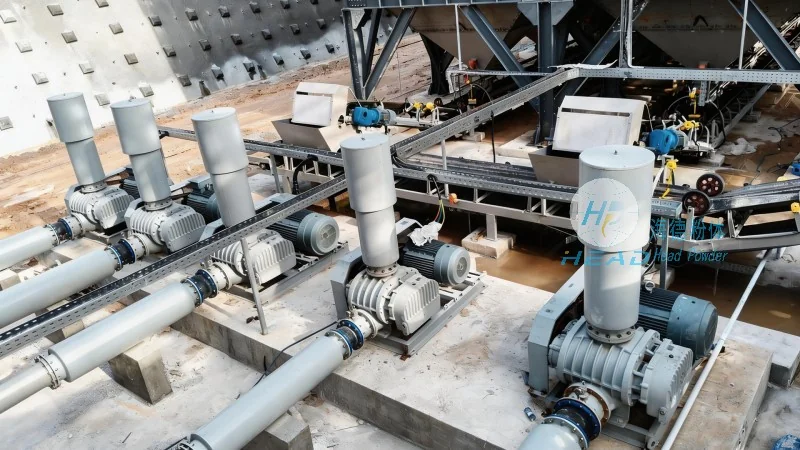
The core components of a salt material handling system typically include feeders, conveyors, storage silos, and control systems. Each component serves a critical role in the system's functionality. Feeders regulate the flow of salt from storage to the conveyor system, ensuring consistent and controlled discharge. Conveyors, often belt or screw types, transport salt between locations within the facility. Storage silos hold large quantities of salt, providing stable and organized storage that minimizes degradation or contamination risks. Control systems integrate all components, enabling automated operation and monitoring to enhance safety and efficiency.
Design Principles for Salt Material Handling Systems
The design principles of a salt material handling system prioritize durability, efficiency, and safety. Given salt's corrosive and abrasive characteristics, equipment is constructed from materials like stainless steel or specialized alloys to withstand wear and corrosion. The system is engineered to minimize dust generation, as salt dust poses hazards to both equipment and personnel—this is achieved through enclosed conveyors and dust collection systems. Energy efficiency is also a key design consideration, with components optimized to reduce power consumption while maintaining high performance. The layout is carefully planned to ensure smooth material flow, reducing the risk of blockages or buildup that could disrupt operations.
Applications of Salt Material Handling Systems
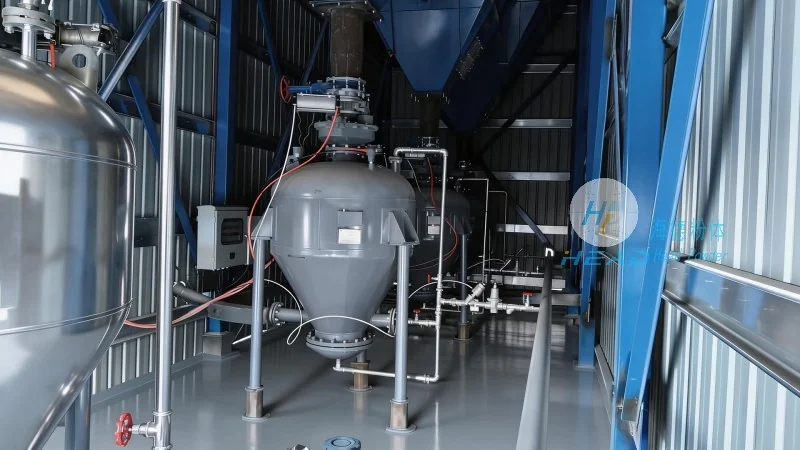
Salt material handling systems are applied across diverse industries. In the food industry, they transport salt for processing, ensuring product quality and safety standards. In de-icing operations, the system distributes salt on roads and highways, improving winter safety. In chemical manufacturing, it handles salt as a raw material for processes like chlorine and sodium hydroxide production. Each application requires customized system design, tailored to the type of salt, material volume, and operational environment.
Benefits of Using a Professional Salt Material Handling System
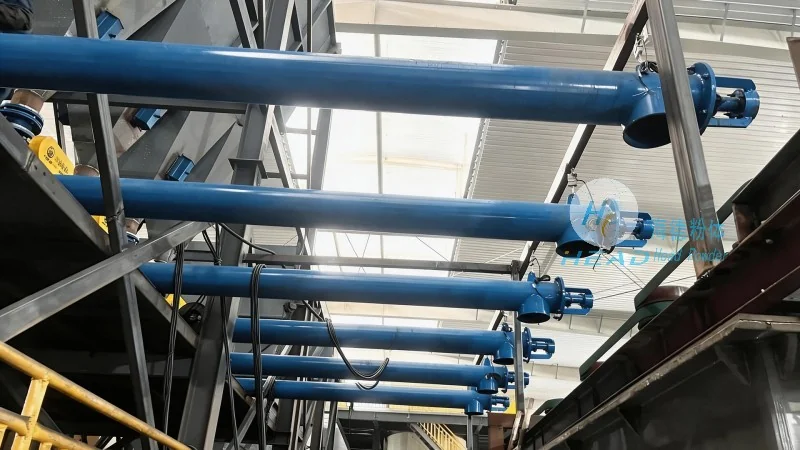
Investing in a professional salt material handling system from a reputable manufacturer like Shandong HeadPowder Engineering Co., Ltd. offers significant advantages. The system's robust construction ensures long-term reliability, reducing maintenance costs and downtime. Automated control systems enhance operational efficiency with consistent, precise material handling. Safety features, such as dust suppression and material containment, protect equipment and personnel. Energy-efficient design also lowers long-term operational costs. By choosing a well-designed system, businesses improve productivity and comply with industry safety standards.
Conclusion
A salt material handling system is a critical industrial asset for efficiently and safely managing bulk salt. Its design, components, and applications are tailored to meet industry-specific needs. By selecting a high-quality system from a trusted manufacturer like Shandong HeadPowder Engineering Co., Ltd., organizations enhance operational efficiency, ensure safety, and reduce long-term costs. The system's durability, efficiency, and safety features make it an essential investment for any entity reliant on consistent salt handling.