

What is a Sodium Chloride Material Handling Conveyor? What are its Design Principles?
For industries dealing with sodium chloride, efficient material handling is crucial to maintain production efficiency and safety standards. A specialized conveyor system designed for sodium chloride, often referred to as a sodium chloride material handling conveyor, plays a vital role in transporting this essential chemical. This article explores the fundamental aspects of such conveyors, including their design principles and practical applications in industrial settings, presented by Shandong HeadPowder Engineering Co., Ltd., a leading manufacturer of industrial material handling solutions based in China.

Key Components and Design Considerations
The design of a sodium chloride material handling conveyor is tailored to address the unique properties of sodium chloride, including its granular or crystalline form, potential moisture content, and handling requirements. Several key components are integral to the system's functionality. First, the conveyor belt material is typically chosen for its resistance to corrosion and chemical exposure, as sodium chloride can be abrasive and may cause wear over time. Common materials include food-grade rubber or specialized plastic composites that can withstand the chemical environment. The belt's thickness and tensile strength are also critical to ensure it can handle the weight and impact of sodium chloride particles without tearing or deforming.
Second, the conveyor's frame and support structure are engineered to provide stability and durability. Heavy-duty steel or aluminum components are often used to support the load and withstand the rigors of continuous operation. The frame design may include adjustable supports or leveling mechanisms to ensure the conveyor operates on a level surface, minimizing vibration and wear on the components. Additionally, the system may incorporate a drive system, such as a motorized pulley or gear reducer, to provide the necessary power to move the material along the conveyor path. The drive mechanism is typically enclosed to protect it from dust and moisture, which are common in sodium chloride processing environments.
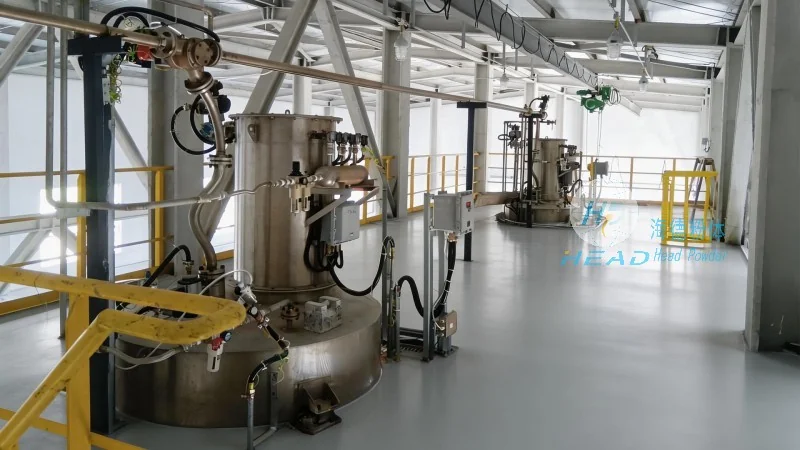
Third, the feeding and discharge mechanisms are designed to handle the material efficiently. The feeding hopper or inlet is usually equipped with a sloped or tapered design to prevent material buildup and ensure smooth flow into the conveyor belt. Some systems may include a pre-screening or sorting component to remove larger debris or impurities before the material enters the conveyor. The discharge end may feature a controlled outlet, such as a gate or chute, to regulate the flow of sodium chloride and prevent spillage or overloading downstream equipment. In some cases, the conveyor may include a cleaning system, such as a brush or spray mechanism, to remove residual material from the belt and prevent contamination.
Design Principles for Optimal Performance
The design principles of a sodium chloride material handling conveyor focus on maximizing efficiency, safety, and longevity. One key principle is the selection of appropriate materials for all components to resist corrosion and wear. Sodium chloride is a highly corrosive substance, and exposure to it can degrade metal parts over time. Therefore, using corrosion-resistant materials, such as stainless steel or specialized coatings, is essential to extend the system's lifespan and reduce maintenance costs. Another principle is the optimization of the conveyor's geometry to minimize material degradation and ensure consistent flow. The belt speed, angle of inclination, and spacing between rollers are carefully calculated to prevent material breakage or caking, which can lead to blockages or uneven distribution.
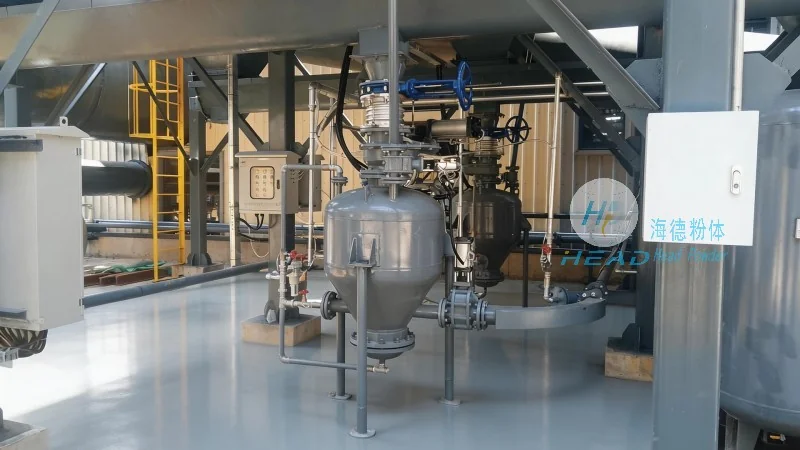
Additionally, the system's design incorporates safety features to protect operators and equipment. This may include emergency stop buttons, safety guards around moving parts, and sensors to detect overloads or jams. The conveyor may also be equipped with a dust control system, such as a hood or filtration unit, to minimize airborne particles and comply with occupational health and safety regulations. The integration of these safety features is critical in industrial environments where sodium chloride is handled, as it can cause respiratory issues or skin irritation if not properly contained.
Energy efficiency is another important design consideration. The drive system is often optimized to use minimal power while maintaining the required conveyor speed. Variable frequency drives (VFDs) may be employed to adjust the motor speed based on the load, reducing energy consumption during lighter operations. This not only lowers operational costs but also contributes to environmental sustainability. Furthermore, the conveyor's design may include features to reduce friction, such as smooth rollers or lubricated bearings, to minimize energy loss and extend the life of moving parts.
Applications and Industrial Use Cases
Sodium chloride material handling conveyors are widely used in various industries that rely on this chemical. In the food industry, for example, sodium chloride is used as a preservative and flavor enhancer in products like canned goods, snacks, and beverages. The conveyor system efficiently transports the salt from storage to processing equipment, ensuring consistent quality and preventing contamination. In the pharmaceutical industry, sodium chloride is used in the production of saline solutions and other medical products. The conveyor's design, with its sterile and hygienic components, is crucial to maintain the purity of the material and comply with regulatory standards.
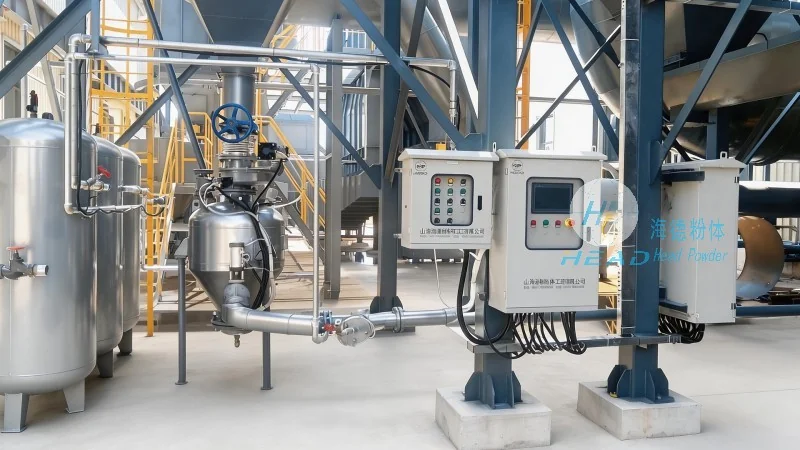
In the chemical industry, sodium chloride is a key raw material for the production of other chemicals, such as chlorine and sodium hydroxide. The conveyor system is used to transport the salt from storage tanks to reactors or processing units, where it is converted into other products. The system's robust design and corrosion-resistant materials make it suitable for handling the harsh chemical environment of these processes. Additionally, in the water treatment industry, sodium chloride is used for water softening and desalination. The conveyor efficiently moves the salt into the treatment facilities, ensuring the proper concentration of the chemical for effective water treatment.
Other applications include the mining and construction industries, where sodium chloride is used as a de-icing agent or in the production of concrete additives. The conveyor system is designed to handle bulk quantities of sodium chloride, providing a reliable method for transporting the material to storage or processing sites. In all these applications, the conveyor's design principles ensure that the material is handled safely and efficiently, meeting the specific requirements of each industry.