

What is a Carbon Black Powder Material Conveying Line? What are its Design Principles?
Carbon black powder material conveying lines are specialized systems engineered to handle and transport carbon black powder efficiently and safely. These systems are crucial in industrial applications where carbon black, a key additive in various industries such as rubber, plastics, and pigments, needs to be moved from one processing stage to another. Understanding the design principles behind these conveying lines is essential for optimizing material handling processes and ensuring operational efficiency. The information provided is from Shandong HeadPowder Engineering Co., Ltd., a leading provider of material handling solutions, with operations based in China.

Understanding Carbon Black Powder Material Conveying Lines
Carbon black powder material conveying lines are industrial systems designed to transport carbon black powder, a fine particulate material, from one location to another within a manufacturing facility. The primary goal of these systems is to ensure the safe, efficient, and reliable movement of carbon black, which is often used as a reinforcing agent or pigment in products like tires, plastics, and coatings. The design of these conveying lines must address several critical factors, including material properties, system integration, and operational requirements.
Key Design Principles for Carbon Black Powder Conveying Systems
The design of a carbon black powder material conveying line is guided by several fundamental principles that ensure optimal performance and safety. First, the system must account for the unique physical properties of carbon black powder, such as its fine particle size, which can lead to issues like dust generation and caking. Engineers must select appropriate materials of construction to prevent corrosion and wear, as carbon black can be abrasive and reactive under certain conditions. Additionally, the conveying line must be designed to minimize air leakage and maintain a controlled environment to prevent dust explosions, which is a critical safety consideration in powder handling applications.
Components and Functionality of Conveying Lines
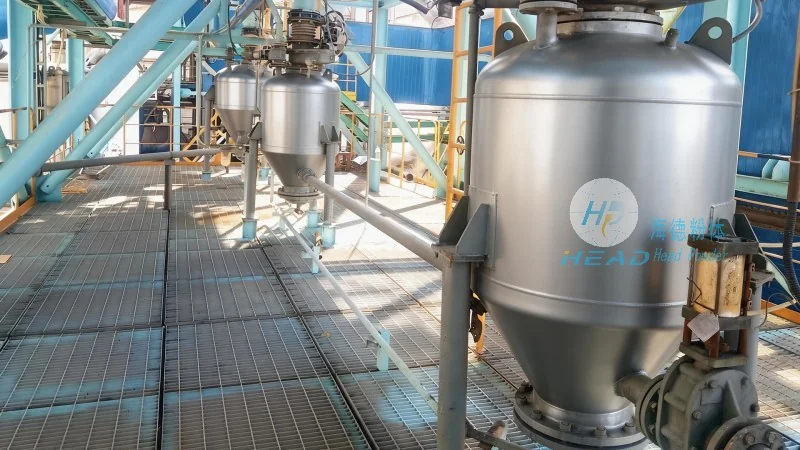
A typical carbon black powder material conveying line consists of several key components, each playing a vital role in the overall system. The primary components include a feeding hopper, which stores and feeds the carbon black powder into the conveying system; a conveyor mechanism, such as a screw conveyor or pneumatic conveyor, which transports the powder through the line; and a discharge system, which delivers the material to its final destination. The feeding hopper is often equipped with a rotary valve or feeder to regulate the flow of powder, preventing overfilling and ensuring a consistent feed rate. The conveyor mechanism is designed to handle the specific characteristics of carbon black powder, such as its tendency to form agglomerates, by incorporating features like vibration or agitation to maintain flowability. The discharge system may include a receiving hopper or a direct connection to the next processing equipment, depending on the application.
Engineering Considerations for Optimal Performance
Several engineering considerations are essential for designing an effective carbon black powder material conveying line. One of the most important is the selection of the conveying method. Pneumatic conveying systems, which use air to transport the powder, are commonly used for long-distance or high-volume applications, as they can handle large quantities of material with minimal maintenance. However, they require careful control of air pressure and flow to prevent material degradation or blockages. Mechanical conveying systems, such as screw or belt conveyors, are often preferred for shorter distances or when the material is prone to caking, as they provide more direct control over the material flow. The choice of conveying method depends on factors like the distance between the feed and discharge points, the volume of material to be transported, and the specific properties of the carbon black powder being handled.
Material Handling Safety and Environmental Considerations
When designing a carbon black powder material conveying line, safety and environmental considerations are paramount. Carbon black powder is a fine particulate that can pose health risks if inhaled, and it can also be a fire hazard if exposed to ignition sources. Therefore, the system must be equipped with dust collection and filtration systems to capture and remove airborne particles, reducing the risk of exposure to workers and preventing dust explosions. Additionally, the design must include explosion-proof components and proper ventilation to ensure a safe working environment. Environmental regulations also play a role in the design, as the system must minimize emissions and comply with local and national standards for air quality and waste disposal.
Application Examples and Industry Use Cases
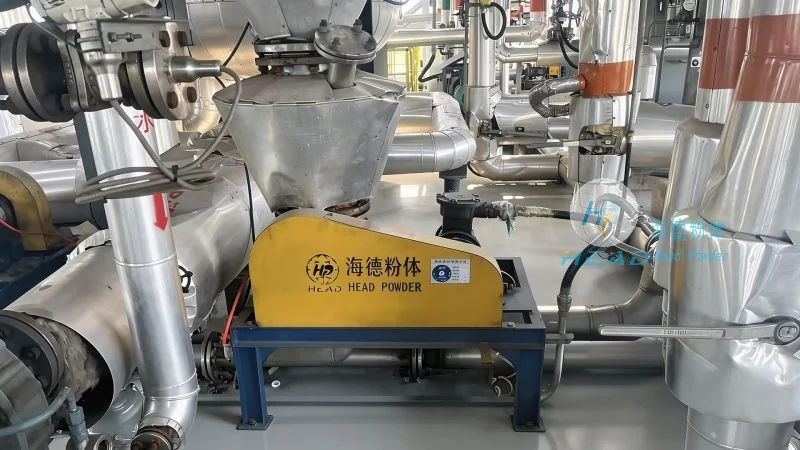
Carbon black powder material conveying lines are used in a wide range of industrial applications where carbon black is a critical component. In the rubber industry, for example, these systems are used to transport carbon black from storage silos to mixing equipment, ensuring a consistent and controlled feed rate for rubber compounding. In the plastics industry, they are used to move carbon black from storage to extrusion or molding machines, where it is incorporated into plastic pellets or sheets. The automotive industry also relies on these systems to transport carbon black to tire manufacturing facilities, where it is used as a reinforcing agent to improve tire durability and performance. In each of these applications, the design of the conveying line is tailored to the specific requirements of the process, ensuring that the carbon black is handled efficiently and safely.
Conclusion: The Importance of Proper Design
Carbon black powder material conveying lines are essential components of many industrial processes, and their proper design is critical to ensuring operational efficiency, safety, and compliance with industry standards. By understanding the key design principles and engineering considerations, manufacturers can select and implement a conveying system that meets their specific needs, optimizing material handling and reducing the risk of accidents or equipment failure. As the demand for carbon black in various industries continues to grow, the importance of reliable and efficient conveying systems will only increase, making the design and maintenance of these systems a critical aspect of industrial operations.