

What is a Rice Husk Ash Material Conveying Line? And What Are Its Design Principles?
Rice husk ash (RHA) is a byproduct generated from the combustion of rice husks, commonly used in construction and industrial applications. The efficient handling and transportation of RHA are crucial for industrial operations, and this is where a specialized material conveying line comes into play. A rice husk ash material conveying line is a comprehensive system designed to transport RHA from its source to processing or storage facilities. This system integrates various components such as feeders, conveyors, and control systems to ensure safe and efficient material handling. The design of such a line is tailored to the specific characteristics of RHA, including its particle size, moisture content, and flowability.
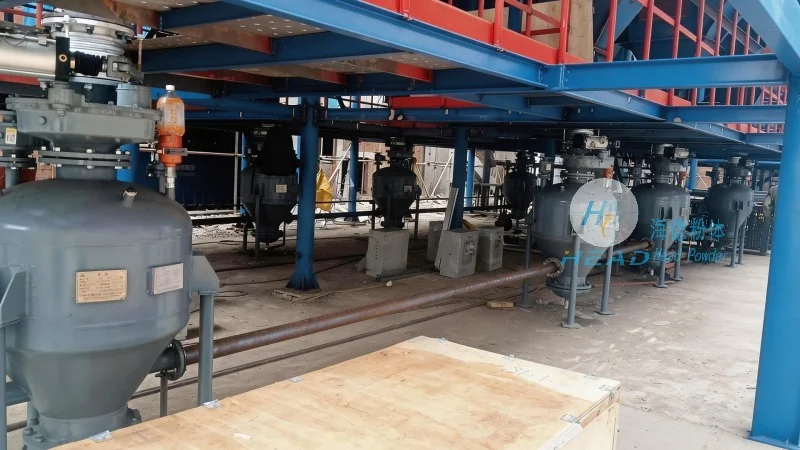
Components of a Rice Husk Ash Material Conveying Line
The core components of a rice husk ash material conveying line typically include: 1. Feeding Equipment: This component is responsible for feeding the RHA into the conveying system. Common feeding devices include screw feeders, vibratory feeders, or belt feeders, which ensure a consistent and controlled flow of material. 2. Conveying Equipment: The primary means of transporting RHA is through conveyors. Depending on the application, different types of conveyors may be used, such as belt conveyors, chain conveyors, or pneumatic conveyors. Belt conveyors are widely used for horizontal and slight incline transport due to their high capacity and low maintenance. 3. Control System: A control system is essential to regulate the operation of the conveying line. It includes sensors, controllers, and monitoring devices that ensure the system operates safely and efficiently. Sensors can detect material levels, conveyor speed, and potential blockages, while controllers adjust the feeding rate and conveyor speed as needed. 4. Storage and Discharge Equipment: The conveying line may also include storage silos or hoppers to temporarily hold the RHA before it is discharged to processing units or storage areas. Discharge equipment, such as rotary valves or gate valves, controls the release of material from the storage system.
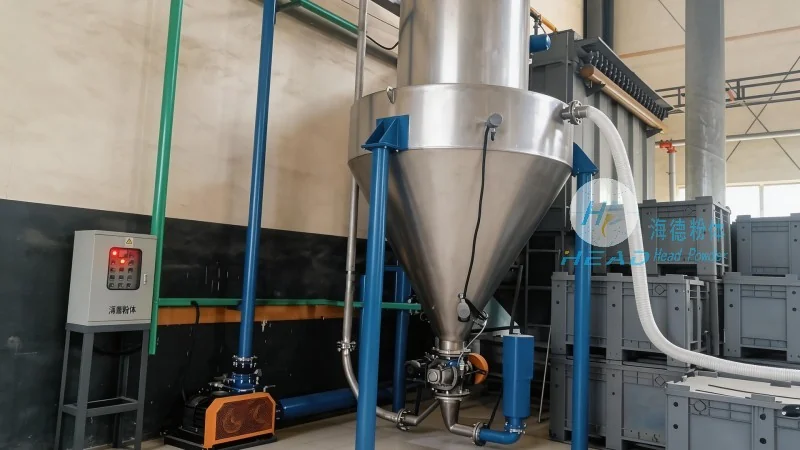
Design Principles for Rice Husk Ash Material Conveying Lines
The design of a rice husk ash material conveying line follows several key principles to ensure optimal performance and reliability. First, material characteristics must be thoroughly considered. RHA is often abrasive and may have varying particle sizes, which can affect the wear on conveying components. Therefore, materials with high wear resistance, such as stainless steel or special alloys, are commonly used for conveyor belts and idlers. Second, flowability is a critical factor. RHA may have a tendency to agglomerate or become sticky, especially if it has high moisture content. To address this, the design may include features like vibration or air knives to break up clumps and maintain a smooth flow. Third, system integration is essential. The conveying line must be integrated with other processing equipment, such as grinding or mixing units, to ensure a seamless workflow. This involves matching the conveyor capacity with the processing capacity to avoid bottlenecks. Fourth, safety and maintenance considerations are paramount. The design should include safety features like emergency stop buttons and protective guards to prevent accidents. Additionally, easy access to components for maintenance is crucial to minimize downtime.
Application and Benefits of Rice Husk Ash Material Conveying Lines
Rice husk ash material conveying lines are widely used in various industrial applications, particularly in the construction and cement industries. The primary benefits of using such a system include: 1. Increased Efficiency: By automating the material handling process, the conveying line reduces labor costs and increases production throughput. 2. Improved Safety: The system minimizes the risk of manual handling of RHA, which can be dusty and potentially hazardous. 3. Consistent Quality: The controlled feeding and conveying ensure that the RHA is transported uniformly, maintaining consistent quality for downstream processing. 4. Reduced Environmental Impact: Efficient handling reduces dust emissions and minimizes the environmental footprint of industrial operations. 5. Flexibility: Modern conveying lines can be designed to handle different types of materials or adjust to changing production demands, providing long-term value.
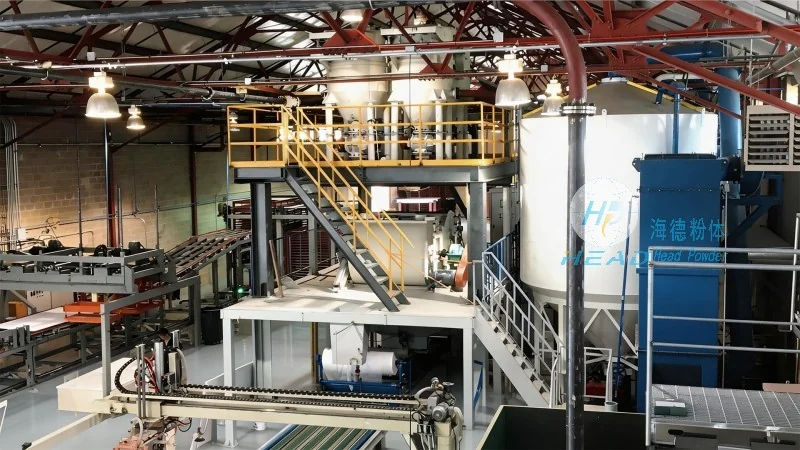
About Shandong HeadPowder Engineering Co., Ltd.
Shandong HeadPowder Engineering Co., Ltd. is a leading manufacturer and supplier of material handling equipment, specializing in customized solutions for various industrial applications. With a focus on innovation and quality, the company has built a reputation for delivering reliable and efficient conveying systems. HeadPowder's expertise lies in designing and manufacturing equipment tailored to the specific needs of clients, ensuring optimal performance and durability. The company's facilities are located in Shandong, China, providing a strong base for research, development, and production. HeadPowder's commitment to customer satisfaction and technical excellence has made it a trusted partner for industries worldwide.