

What is a Glass Bead Powder Conveyor? And What Are Its Design Principles?
A glass bead powder conveyor is a specialized industrial equipment designed for the efficient transportation of glass bead powders. These conveyors are crucial in various manufacturing processes where glass beads are used as raw materials or additives. The primary function of such equipment is to move glass bead powders from one location to another within a production facility with precision and reliability. Understanding the design principles behind these conveyors is essential for optimizing their performance and ensuring they meet the specific requirements of glass bead handling applications.
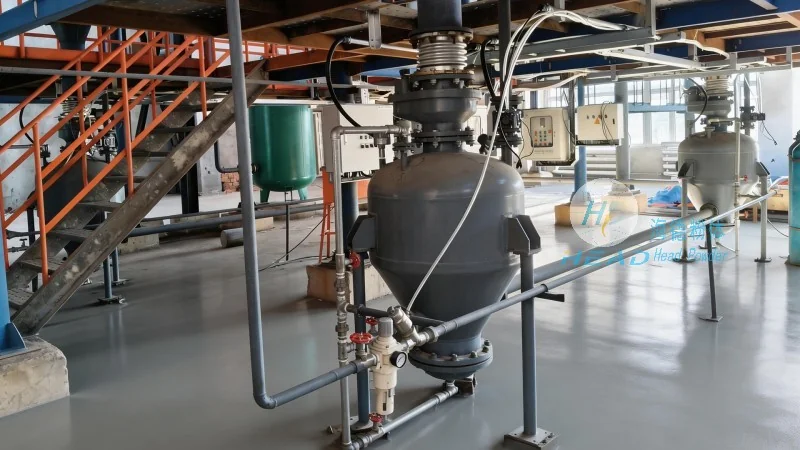
The Core Function and Application of Glass Bead Powder Conveyors
The main function of a glass bead powder conveyor is to transport glass bead powders in a controlled manner, ensuring minimal loss and contamination. These conveyors are widely used in industries such as glass manufacturing, ceramics, and coatings, where glass beads are used as abrasive materials, fillers, or in the production of reflective coatings. The ability to handle fine powders like glass beads requires specialized design features that prevent clogging, ensure consistent flow, and maintain the quality of the material being transported. In manufacturing settings, these conveyors contribute to improved workflow efficiency and reduced downtime by providing a reliable method for moving glass bead powders between processing stages.
Design Principles of Glass Bead Powder Conveyors
The design of a glass bead powder conveyor is based on several key principles aimed at optimizing material handling and operational efficiency. The primary design principle is to ensure that the conveyor system can handle the specific characteristics of glass bead powders, such as their particle size, density, and flowability. Engineers consider factors like the material's tendency to aggregate or clog, which can lead to operational issues if not properly addressed. To mitigate these challenges, conveyors often incorporate features like inclined chutes, vibration mechanisms, or air-assisted systems that help maintain a consistent flow of the powder. Another critical design principle is the use of materials that are compatible with glass beads and resistant to abrasion and corrosion. The construction of the conveyor components, including the hopper, conveyor belt, and discharge mechanism, is designed to withstand the abrasive nature of glass beads while minimizing wear and tear. Additionally, the design incorporates safety features and maintenance considerations to ensure long-term reliability and low operational costs.
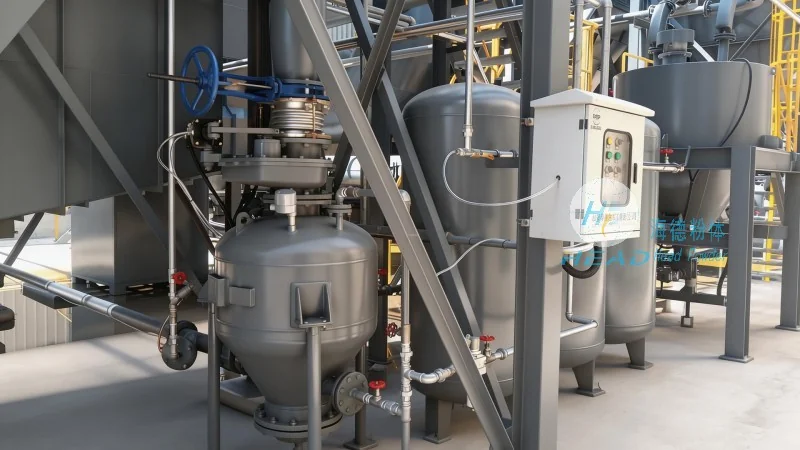
Key Components and Their Roles
A glass bead powder conveyor consists of several key components, each playing a vital role in the overall operation. The hopper is the initial component where glass bead powders are loaded. It is designed to store the material and feed it into the conveyor system. The hopper's design, including its shape and size, is optimized to minimize material bridging and ensure a steady flow of the powder. The conveyor belt or screw mechanism is the core component responsible for moving the glass bead powders. For glass bead powders, a screw conveyor is often preferred due to its ability to handle fine, abrasive materials without causing excessive wear. The screw's pitch and speed are carefully selected to maintain a consistent flow rate. The discharge mechanism, typically a valve or outlet, controls the release of the glass bead powders from the conveyor. This component is designed to prevent backflow and ensure that the material is discharged accurately and without spillage. Additionally, the system may include a control panel with sensors and indicators to monitor the conveyor's operation and detect any issues, such as blockages or low material levels.
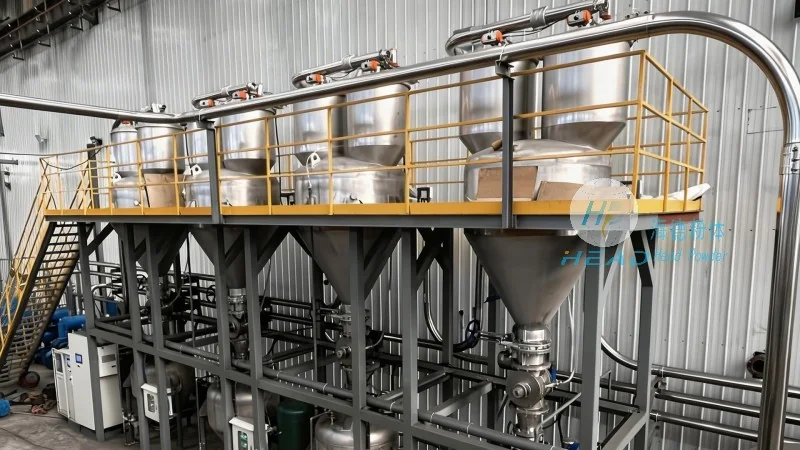
Operational Mechanism and Working Process
The operational mechanism of a glass bead powder conveyor involves a series of steps that ensure the efficient movement of glass bead powders. The process begins with the loading of glass bead powders into the hopper. The material is then fed into the conveyor system, where it is transported along the screw or belt. The conveyor's speed and pitch are adjusted to maintain a consistent flow rate, preventing overloading or underloading. As the glass bead powders move through the conveyor, they are continuously mixed and aerated, which helps prevent clogging and maintains the material's flowability. The discharge mechanism then releases the glass bead powders into the next processing stage, such as a mixer or a production line. The entire process is controlled by a system of sensors and controls that monitor the conveyor's performance and adjust parameters as needed. This ensures that the glass bead powders are transported efficiently and safely, minimizing the risk of accidents or material loss.
Advantages and Benefits of Using Glass Bead Powder Conveyors
Using a glass bead powder conveyor offers several advantages and benefits for industrial applications. One of the primary benefits is the improved efficiency in material handling. These conveyors can transport glass bead powders at high speeds with minimal labor, reducing the time and effort required for manual handling. This leads to increased productivity and reduced operational costs. Another advantage is the enhanced safety provided by the conveyor system. By automating the movement of glass bead powders, the risk of accidents, such as spills or inhalation of fine particles, is significantly reduced. The controlled environment of the conveyor also helps maintain the quality of the glass bead powders, preventing contamination from external sources. Additionally, the design of glass bead powder conveyors allows for easy integration into existing production lines, making them a versatile solution for various manufacturing processes. The ability to customize the conveyor's design to meet specific requirements further enhances its utility, ensuring that it can adapt to different production needs. Overall, the use of glass bead powder conveyors contributes to a more efficient, safe, and cost-effective glass bead handling process.