

What is a Coal and Sand Pneumatic Conveying System Equipment? What is Its Design Principle?
Coal and sand pneumatic conveying systems are specialized industrial equipment designed to transport bulk materials like coal and sand through a pipeline using air pressure. This technology is widely used in various industries, including mining, construction, and manufacturing, to efficiently move materials from one location to another without the need for mechanical components like belts or buckets. The system operates by creating a pressure differential that propels the material through the pipeline, making it a flexible and reliable solution for material handling.
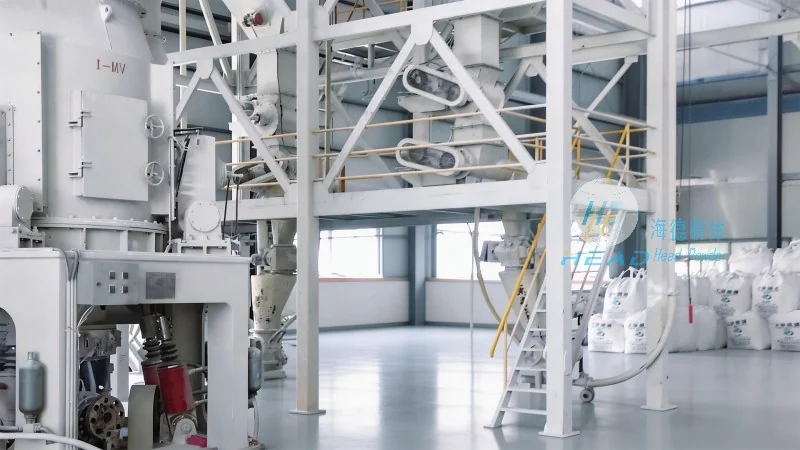
Key Components of the Pneumatic Conveying System
The coal and sand pneumatic conveying system typically consists of several key components that work together to ensure efficient material transport. These components include the material hopper, which stores the coal or sand; the air compressor, which generates the necessary air pressure; the pipeline network, which transports the material; and the discharge unit, which releases the material at the destination. Each component plays a crucial role in the overall operation of the system, and their design and integration are critical to the system's performance.
Design Principles of the Pneumatic Conveying System
The design of a coal and sand pneumatic conveying system is based on several fundamental principles to ensure optimal performance and efficiency. The primary principle is the creation of a pressure differential between the inlet and outlet of the pipeline. By increasing the air pressure at the inlet and maintaining a lower pressure at the outlet, the system can effectively move the material through the pipeline. Another key principle is the selection of appropriate air velocity and pressure levels, which are determined based on the characteristics of the material being transported, such as particle size, density, and moisture content. The design also considers factors like pipeline length, elevation changes, and the number of bends to ensure that the system can handle the required material flow rates without excessive energy consumption or material degradation.
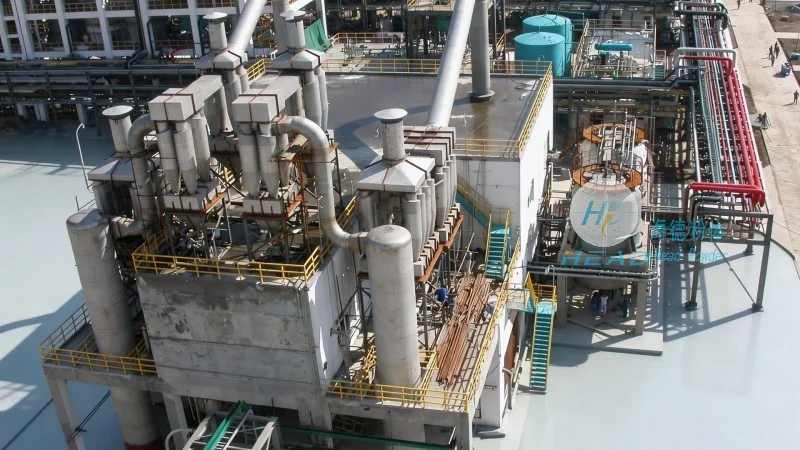
How the System Works: A Step-by-Step Explanation
When the coal or sand is introduced into the material hopper, the air compressor starts and generates high-pressure air. The air is then mixed with the material in the hopper, creating a slurry-like mixture. This mixture is then forced through the pipeline by the air pressure, moving the material to the discharge unit. At the destination, the air is separated from the material, and the material is discharged. The air is then recirculated back to the compressor, completing the cycle. This process is continuous and can be adjusted to handle varying material flow rates, making it a versatile solution for different industrial applications.
Advantages of Using a Coal and Sand Pneumatic Conveying System
There are several advantages to using a coal and sand pneumatic conveying system for material transport. One of the main advantages is its flexibility, as it can handle materials with different characteristics and can be easily modified to accommodate changes in material flow rates or pipeline layout. Another advantage is its reliability, as it has fewer moving parts compared to traditional mechanical systems, reducing the risk of breakdowns and maintenance costs. Additionally, the system is hygienic and can be used in food processing or pharmaceutical industries where contamination is a concern. It also offers energy efficiency, as it can transport materials over long distances with minimal energy consumption compared to other methods like trucks or conveyor belts.
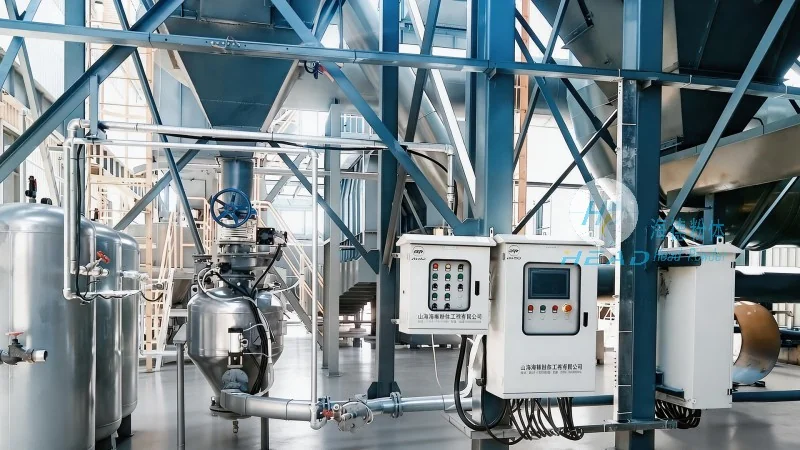
Applications of the Coal and Sand Pneumatic Conveying System
The coal and sand pneumatic conveying system is used in a wide range of applications across various industries. In the mining industry, it is used to transport coal from mines to processing plants or storage facilities. In the construction industry, it is used to transport sand and other aggregates to building sites. In the manufacturing industry, it is used to transport raw materials to production lines or to transport finished products to storage areas. The system is also used in the chemical industry to transport powders and granules, and in the food industry to transport grains and other food products. Its versatility and efficiency make it a popular choice for many industrial applications.
About Shandong HeadPowder Engineering Co., Ltd.
Shandong HeadPowder Engineering Co., Ltd., commonly known as HeadPowder, is a leading manufacturer and supplier of industrial equipment, including coal and sand pneumatic conveying systems. With years of experience in the industry, HeadPowder has developed a reputation for providing high-quality, reliable equipment that meets the needs of various industrial applications. The company is headquartered in Shandong, China, and serves clients worldwide with its innovative solutions and excellent customer service.