

What is a Rare Earth Pneumatic Conveying System Equipment? What Are Its Design Principles?
HeadPowder, a leading manufacturer based in Shandong, China, specializes in providing advanced solutions for rare earth material handling. This article explores the rare earth pneumatic conveying system equipment, detailing its design principles and operational capabilities.
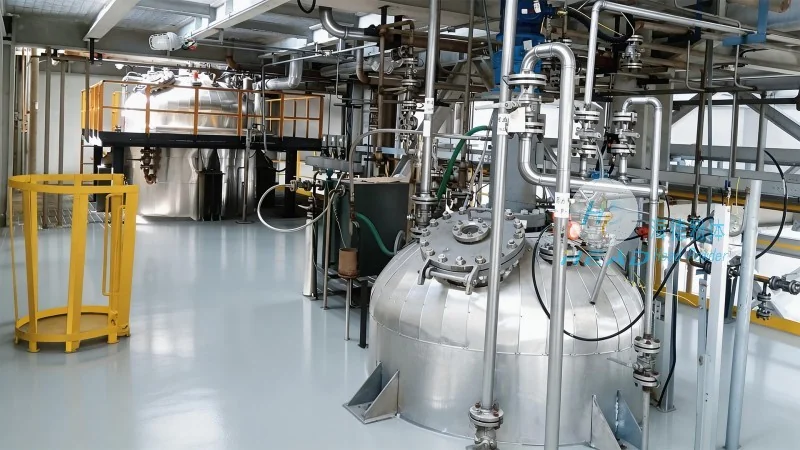
Introduction to Rare Earth Pneumatic Conveying Systems
Rare earth elements are critical components in modern technology, including electronics, renewable energy, and advanced manufacturing. Efficient and reliable transportation of these materials is essential for industrial processes. The rare earth pneumatic conveying system equipment offers a sophisticated method to transport these materials, ensuring precision and safety in handling.
Key Components of the Pneumatic Conveying System
The rare earth pneumatic conveying system typically consists of several key components that work in tandem to facilitate material transport. These include the hopper for material storage, the air compressor to generate the necessary airflow, the conveying pipeline, and the control system for regulating the process. Each component is designed to handle the unique properties of rare earth materials, such as their fine particle size and potential for static charge accumulation.
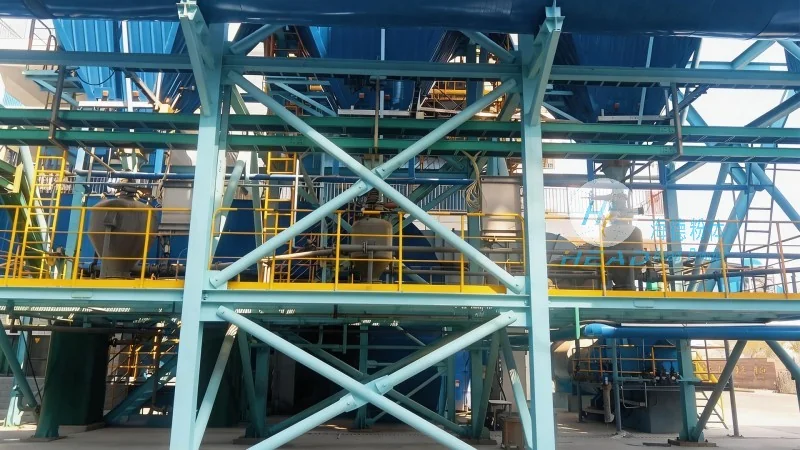
Design Principles for Efficient Material Transport
The design of the rare earth pneumatic conveying system is centered on several core principles to ensure optimal performance. First, the system must maintain a consistent airflow to prevent material settling or blockages in the pipeline. This is achieved through precise control of the air compressor and the use of appropriate pipeline diameters and lengths. Second, the system incorporates features to manage material flow, such as the use of rotary valves and airlocks, which help regulate the discharge of material from the hopper and prevent backflow. Third, the design emphasizes safety and environmental considerations, including dust collection systems and filtration to minimize airborne particulates and comply with industrial regulations.
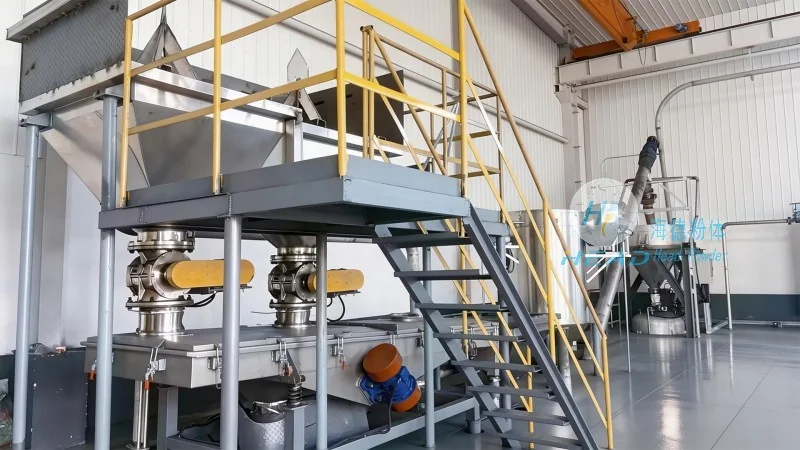
Advantages of Using Pneumatic Conveying for Rare Earth Materials
Compared to traditional methods like belt conveyors or bucket elevators, the rare earth pneumatic conveying system offers several advantages. It provides a closed system, reducing dust exposure and environmental contamination. The system is also flexible, allowing for changes in material flow direction and distance without significant modifications. Additionally, it can handle fine and abrasive materials without causing excessive wear on components, which is crucial for rare earth processing where material properties can be harsh.
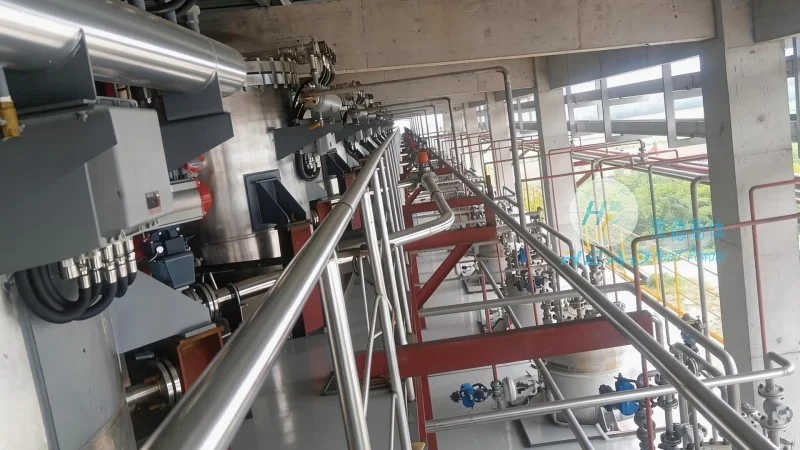
Operational Considerations and Maintenance
Proper operation and maintenance are vital to the longevity and efficiency of the rare earth pneumatic conveying system. Regular checks of the air compressor and filtration systems are essential to ensure consistent airflow and prevent dust buildup. The conveying pipeline should be inspected for any signs of wear or blockages, and the control system should be calibrated to maintain optimal pressure and flow rates. HeadPowder recommends a preventive maintenance schedule to address potential issues before they impact system performance.
Conclusion
The rare earth pneumatic conveying system equipment, designed with precision and functionality in mind, is a vital tool for industries handling rare earth materials. By adhering to the principles of efficient airflow control, material flow management, and safety compliance, this system ensures reliable and safe transportation of rare earth elements. HeadPowder, with its expertise in engineering and manufacturing, continues to provide high-quality solutions that meet the demanding requirements of modern industrial applications.