

What is a Starch Pneumatic Conveying System? What are its Design Principles?
Starch pneumatic conveying systems are specialized equipment used in the processing and handling of starch materials. These systems are designed to transport starch powders and granules from one location to another within industrial facilities. The technology behind these systems leverages the principles of pneumatic transport, which involves the use of air or other gases to move bulk materials through a pipeline network. This approach offers several advantages over traditional mechanical conveying methods, such as reduced equipment wear, improved material cleanliness, and enhanced safety in handling potentially dusty or sensitive starch products.
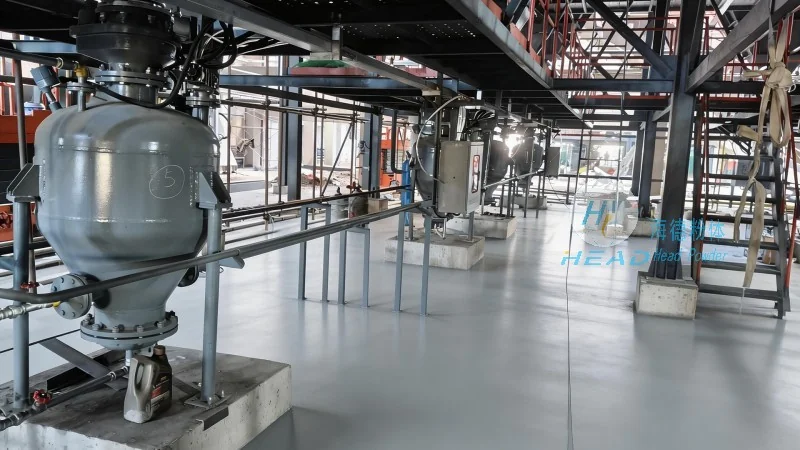
Key Components of a Starch Pneumatic Conveying System
A typical starch pneumatic conveying system consists of several key components that work in tandem to ensure efficient material transport. The primary components include a material feeder, a conveying line (often a pipeline), a conveying air source (like a blower or compressor), and a receiver or discharge unit. The material feeder is responsible for introducing the starch into the system, ensuring a consistent and controlled flow of material. The conveying line, usually made of materials resistant to starch dust and corrosion, carries the material and air mixture through the system. The conveying air source provides the necessary pressure and airflow to move the starch particles. Finally, the receiver or discharge unit collects the starch at the destination point, separating it from the air and preparing it for further processing or storage.
Design Principles for Starch Pneumatic Conveying Systems
The design of starch pneumatic conveying systems is based on several critical principles that ensure optimal performance and reliability. One of the most important principles is the selection of appropriate air velocity and pressure. The air velocity must be high enough to overcome the resistance of the starch particles in the pipeline but not so high as to cause excessive wear or damage to the system components. The pressure level is also carefully controlled to maintain the desired flow rate and prevent material blockages. Another key design principle is the consideration of material properties. Starch powders can vary in particle size, density, and moisture content, which all affect the conveying characteristics. Engineers must account for these variations to design a system that can handle the specific starch type effectively. Additionally, the system design must incorporate features to minimize material degradation and prevent clogging. This includes using smooth pipeline surfaces, proper bends and fittings, and possibly incorporating cleaning mechanisms or air filtration systems to maintain system efficiency over time.
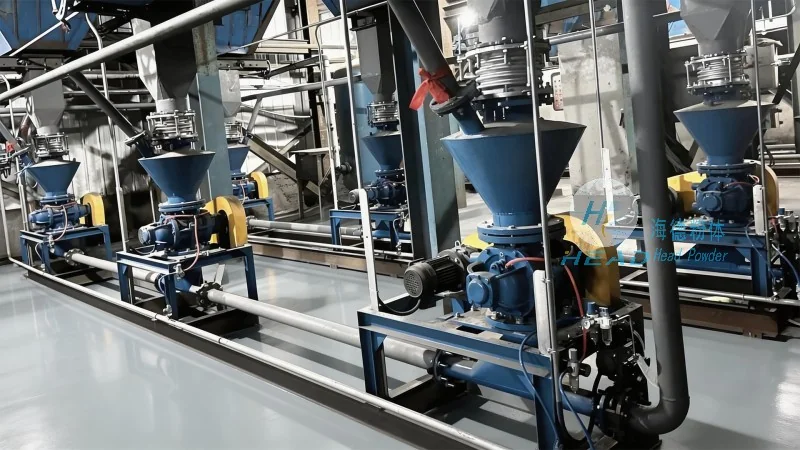
Advantages of Using Starch Pneumatic Conveying Systems
Starch pneumatic conveying systems offer numerous advantages over traditional conveying methods. One of the most significant benefits is the ability to handle starch materials in a closed system, which helps to prevent dust contamination and improve product purity. This is particularly important in food and pharmaceutical applications where product quality and safety are paramount. The systems also provide a more hygienic and cleaner working environment, reducing the risk of dust inhalation for operators and minimizing the need for extensive cleaning procedures. Furthermore, pneumatic conveying systems can be more flexible in terms of layout and integration with other processing equipment. They can be easily reconfigured or expanded to accommodate changes in production volume or process requirements. The reduced need for mechanical components like belts or chains also leads to lower maintenance costs and longer equipment lifespan. Overall, these systems enhance operational efficiency and product quality in starch processing applications.
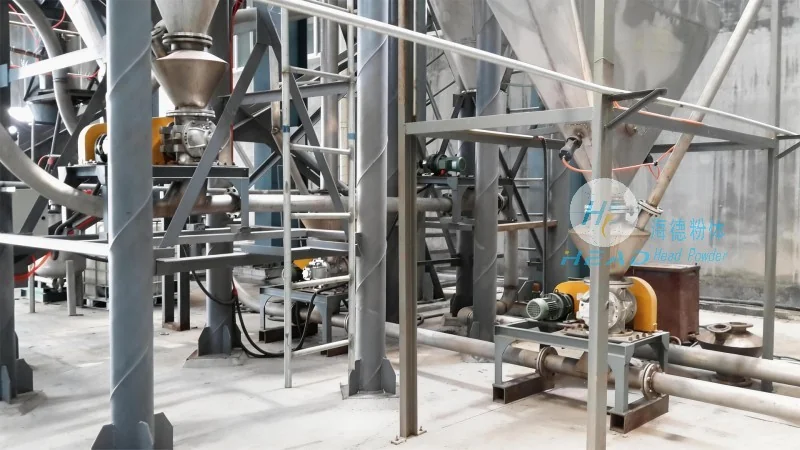
Applications of Starch Pneumatic Conveying Systems
Starch pneumatic conveying systems are widely used in various industries that process starch materials. In the food industry, these systems are commonly employed in the production of starch-based products such as cornstarch, potato starch, and tapioca starch. They are used to transport starch from storage silos to processing lines, ensuring a continuous and clean supply of material. In the pharmaceutical industry, starch is used as a filler or binder in tablet formulations, and pneumatic conveying systems help maintain the high purity standards required for pharmaceutical products. Additionally, in the chemical and industrial sectors, starch is used as a raw material in the production of adhesives, coatings, and other products, where these systems facilitate the efficient handling and transport of starch powders. The versatility of starch pneumatic conveying systems makes them suitable for a wide range of applications, from small-scale processing facilities to large-scale industrial plants.
Conclusion
In conclusion, starch pneumatic conveying systems are essential equipment in the starch processing industry, offering efficient, clean, and reliable transport of starch materials. The design principles and components of these systems are carefully engineered to handle the unique properties of starch powders, ensuring optimal performance and minimal material degradation. As a leading provider of starch processing equipment, Shandong HeadPowder Engineering Co., Ltd. specializes in designing and manufacturing high-quality pneumatic conveying systems tailored to the specific needs of starch producers. With a focus on innovation and customer satisfaction, HeadPowder provides solutions that enhance operational efficiency and product quality in starch processing applications.