

Pharmaceutical Pneumatic Conveying System Equipment: What It Is and Its Design Principles
Pharmaceutical pneumatic conveying systems are specialized equipment used in the pharmaceutical industry to transport powders and granules safely and efficiently. These systems are crucial for maintaining the integrity of pharmaceutical products, ensuring compliance with stringent regulatory standards, and enhancing operational efficiency in manufacturing processes. The equipment is designed to handle sensitive materials, such as active pharmaceutical ingredients (APIs), excipients, and other powders, while minimizing contamination and product degradation. By utilizing air as the conveying medium, these systems offer a non-contact method of material transport, which is essential for maintaining product purity and sterility in pharmaceutical applications.
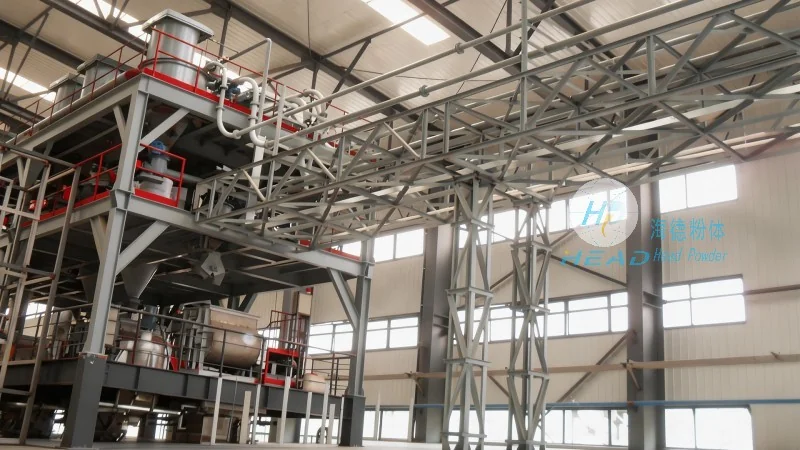
Key Components of Pharmaceutical Pneumatic Conveying Systems
The core components of a pharmaceutical pneumatic conveying system typically include a hopper or feeder for material storage, a conveying line (often with multiple sections like a primary and secondary line), a rotary valve or feeder for controlled material discharge, a dust collector or filter to capture airborne particles, and a control system for regulating air flow and pressure. Each component is engineered to meet the specific requirements of pharmaceutical applications, ensuring that the system operates reliably and maintains product quality. The hopper is usually made of stainless steel or other corrosion-resistant materials to prevent contamination and ensure durability. The conveying line may feature flexible hoses or rigid pipes, depending on the system design and the nature of the material being transported. The rotary valve or feeder is critical for controlling the flow rate of the material, preventing overloading or underloading of the system. The dust collector or filter is essential for capturing any particles that may escape during the conveying process, ensuring that the air is clean and that the environment remains safe for personnel and product integrity.
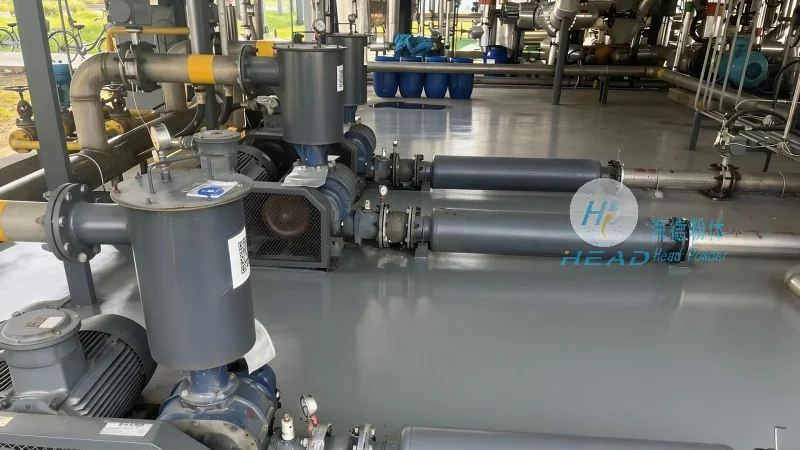
Design Principles for Pharmaceutical Pneumatic Conveying Systems
The design of pharmaceutical pneumatic conveying systems follows several key principles to ensure optimal performance and compliance with industry standards. One of the primary principles is the use of a closed system to prevent contamination from external sources and to maintain product sterility. The system is typically sealed, with all connections and components designed to minimize the risk of leaks or exposure to contaminants. Another important principle is the selection of appropriate materials for construction, such as stainless steel, which is non-reactive and easy to clean, ensuring that the equipment can be sanitized and maintained according to GMP (Good Manufacturing Practice) guidelines. The system is also designed to operate at low pressures, typically in the range of 0.5 to 2 bar, to minimize the risk of product degradation or particle breakage. The control system is integrated to allow for precise regulation of air flow and pressure, ensuring that the material is conveyed at the optimal speed and without excessive stress. Additionally, the system is designed to be flexible and adaptable, allowing for easy integration with existing manufacturing lines and the ability to handle a variety of materials with different properties, such as different particle sizes, densities, and flow characteristics.
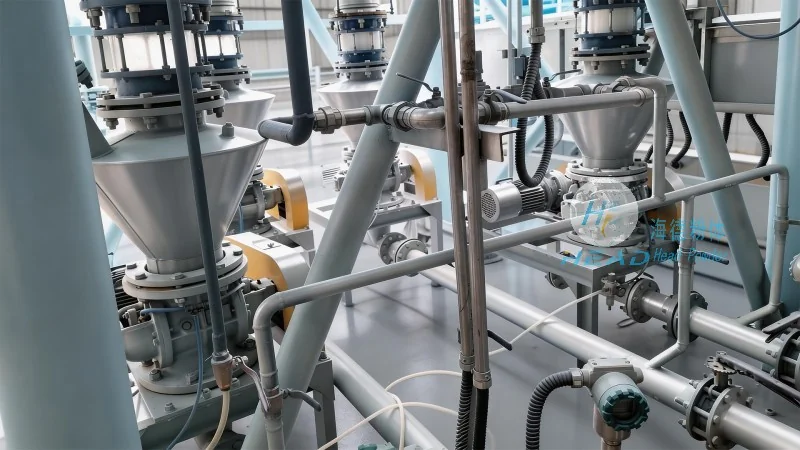
Applications and Benefits of Pharmaceutical Pneumatic Conveying Systems
Pharmaceutical pneumatic conveying systems are widely used in various applications within the pharmaceutical industry, including the transport of raw materials, intermediate products, and finished goods. They are particularly useful in processes such as blending, mixing, and packaging, where the efficient and safe transport of powders is critical. The benefits of using these systems include improved product quality, reduced risk of contamination, enhanced operational efficiency, and lower labor costs. By using a non-contact method of transport, the systems minimize the risk of product contamination from equipment or personnel, which is essential for maintaining the purity and sterility of pharmaceutical products. The closed system design also reduces the risk of dust exposure, improving workplace safety and compliance with occupational health regulations. Additionally, the systems are designed to be energy-efficient, with optimized air flow and pressure control, reducing energy consumption and operational costs. The flexibility of the system allows for easy integration with existing manufacturing lines, minimizing downtime and disruption during installation or maintenance.
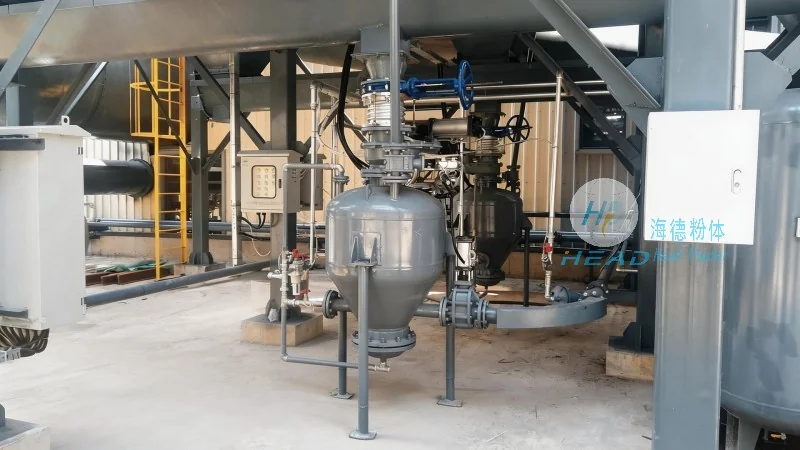
Company Profile: Shandong HeadPowder Engineering Co., Ltd.
Shandong HeadPowder Engineering Co., Ltd., commonly known as HeadPowder, is a leading manufacturer of pharmaceutical pneumatic conveying systems and related equipment. The company is headquartered in Shandong, China, and has established itself as a trusted partner in the pharmaceutical industry, providing high-quality, reliable equipment that meets the stringent requirements of GMP and other regulatory standards. HeadPowder specializes in the design, manufacturing, and installation of customized pneumatic conveying systems tailored to the specific needs of pharmaceutical manufacturers. The company's team of experienced engineers and technicians works closely with clients to understand their requirements and develop solutions that enhance operational efficiency and product quality. HeadPowder's commitment to quality and innovation has earned the company a reputation for excellence in the industry, with a focus on providing durable, efficient, and cost-effective solutions for pharmaceutical material handling. The company's products are designed to meet the latest industry standards and are backed by comprehensive technical support and after-sales service, ensuring that clients receive the best possible support throughout the lifecycle of their equipment.