

What is an Automatic Pneumatic Conveying System? What are its Design Principles?
When it comes to efficient material handling in industrial settings, pneumatic conveying systems have become a cornerstone technology. These systems use air or gas to transport bulk materials from one location to another, offering a flexible and often more cost-effective alternative to traditional mechanical conveyors. At the forefront of this technology is the automatic pneumatic conveying system, a sophisticated solution designed to operate with minimal human intervention while maintaining high levels of efficiency and reliability. This article delves into what an automatic pneumatic conveying system is and explores the core design principles that underpin its functionality.
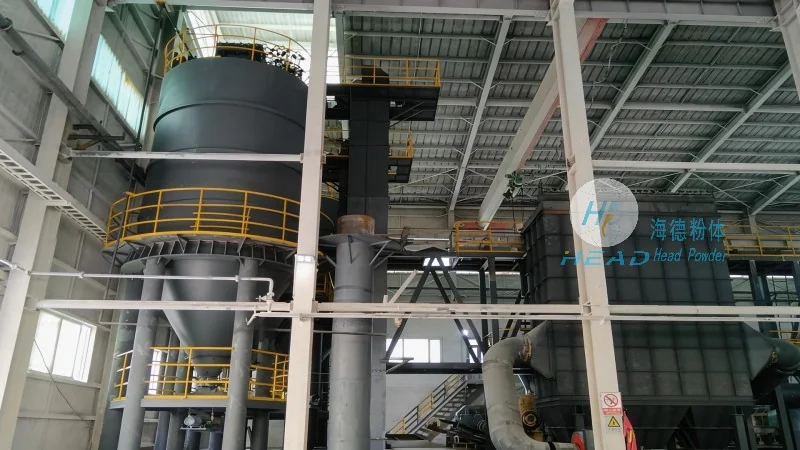
What is an Automatic Pneumatic Conveying System?
An automatic pneumatic conveying system is a type of material handling equipment that uses compressed air or gas to transport bulk materials through a network of pipes. Unlike manual or semi-automatic systems, these systems are equipped with automated controls and sensors that enable them to operate continuously without constant human supervision. The system typically includes components such as a hopper for material storage, a blower or compressor to generate the air flow, a pipeline network, and a discharge point where the material is released. The automation aspect often involves features like automatic start-up and shut-down based on material levels, pressure sensors, and flow monitors, ensuring smooth and unattended operation. This technology is widely used in industries such as food processing, pharmaceuticals, chemicals, and mining, where the handling of powders, granules, and other bulk materials requires precision and hygiene.
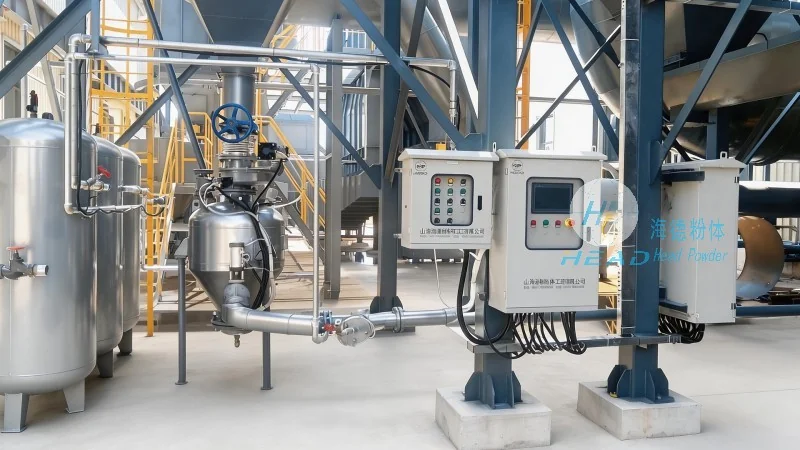
Key Design Principles of Automatic Pneumatic Conveying Systems
The effectiveness of an automatic pneumatic conveying system relies on several critical design principles that ensure optimal performance, energy efficiency, and material integrity. First, the system must be designed to handle the specific characteristics of the material being conveyed, including its density, particle size, moisture content, and flowability. This involves selecting the appropriate type of conveying system—such as dilute-phase or dense-phase transport—based on the material properties. Dilute-phase systems use high air velocities to suspend particles in the air stream, while dense-phase systems use lower velocities to push material in a plug flow, minimizing particle degradation. Second, the system's layout and pipe design are crucial for maintaining consistent air flow and preventing blockages. Proper pipe sizing, bends, and fittings are essential to avoid pressure drops and ensure smooth material movement. Third, the blower or compressor must be sized appropriately to provide sufficient air volume and pressure to overcome friction losses in the pipeline and lift the material vertically. Energy efficiency is another key design consideration, with modern systems often incorporating variable speed drives and energy recovery mechanisms to reduce operational costs. Additionally, the system must incorporate safety features, such as pressure relief valves and emergency shut-off controls, to protect both personnel and equipment. The integration of sensors and automation controls further enhances the system's reliability, allowing for real-time monitoring and adjustments to maintain optimal performance.
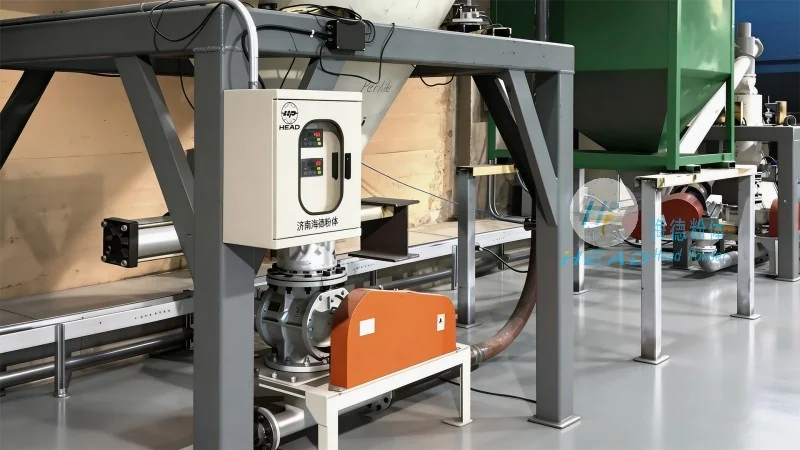
Components and Functionality of an Automatic Pneumatic Conveying System
To understand how an automatic pneumatic conveying system works, it's essential to examine its key components and their interplay. The primary components include a material hopper, which stores the bulk material and feeds it into the system; a feeder, such as a rotary valve or screw feeder, that controls the material flow rate; a blower or compressor that generates the air flow; a pipeline network that transports the material; and a discharge device, such as a cyclone or rotary valve, that releases the material at the destination. The hopper is typically designed with a conical bottom to facilitate material flow and may include a level sensor to detect when the hopper is empty or full. The feeder regulates the amount of material entering the pipeline, ensuring a consistent flow rate that matches the system's capacity. The blower or compressor provides the necessary air pressure and volume to move the material through the pipes. The pipeline network consists of straight sections, bends, and fittings, all of which are designed to minimize pressure losses and maintain the air flow velocity. The discharge device separates the material from the air stream and directs the material to its final destination, while the air is typically filtered and returned to the system or vented to the atmosphere. The automation system, which may include programmable logic controllers (PLCs) and sensors, monitors the system's operation and adjusts parameters as needed. For example, if the pressure in the pipeline drops, the system may increase the blower speed or adjust the feeder rate to maintain optimal performance. This closed-loop control ensures that the system operates efficiently and reliably, even under varying load conditions.
Applications and Benefits of Automatic Pneumatic Conveying Systems
Automatic pneumatic conveying systems are used in a wide range of industrial applications where the handling of bulk materials requires precision, flexibility, and hygiene. In the food and beverage industry, these systems are used to transport ingredients like flour, sugar, and spices, as well as finished products like powders and granules. The systems are designed to meet strict sanitary standards, with components made from stainless steel and easy-to-clean surfaces. In the pharmaceutical industry, automatic pneumatic conveying systems are used to handle active pharmaceutical ingredients (APIs) and other sensitive materials, ensuring that the materials are not contaminated and that the system can be easily sanitized. The chemical industry uses these systems to transport powders and granules, such as pigments, polymers, and fertilizers, often in hazardous environments where mechanical conveyors may not be suitable. The mining industry also utilizes pneumatic conveying systems to transport ore and other minerals from mines to processing facilities, where the systems can handle large volumes of material over long distances. The benefits of automatic pneumatic conveying systems extend beyond just material handling. These systems offer significant advantages over traditional mechanical conveyors, including reduced labor costs, as they require minimal human intervention; improved safety, as there are fewer moving parts and less risk of material spillage; and increased flexibility, as the system can be easily reconfigured to handle different materials or change the material flow path. Additionally, the systems are more energy-efficient than many mechanical conveyors, as they use air as the primary transport medium, which can reduce energy consumption by up to 50% in some cases. The automation features also reduce downtime and maintenance costs, as the system can detect and alert operators to any issues, such as blockages or pressure drops, allowing for quick troubleshooting and repair.
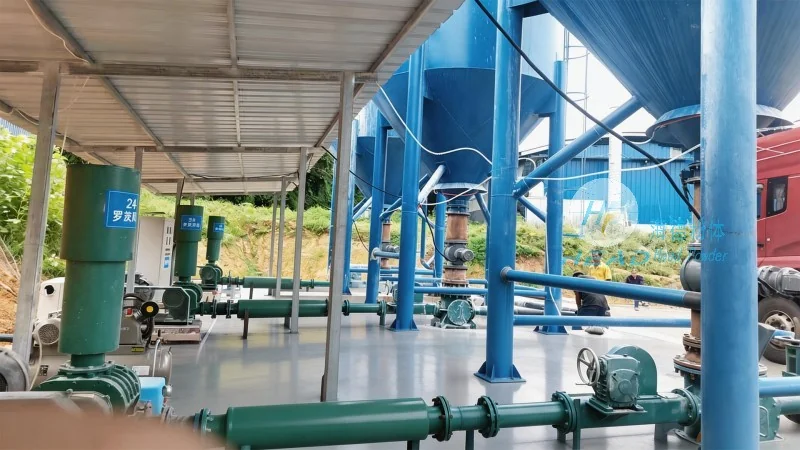
Customization and Integration with Other Systems
One of the key advantages of automatic pneumatic conveying systems is their ability to be customized to meet the specific needs of a particular application. Manufacturers can design systems with different components, such as different types of feeders, blowers, or discharge devices, to handle a wide range of materials and operating conditions. The systems can also be integrated with other industrial equipment, such as mixers, dryers, or packaging machines, to form a complete material handling system. For example, an automatic pneumatic conveying system can be integrated with a mixer to transport ingredients to the mixer and then discharge the mixed product to a packaging line. This integration allows for seamless material flow and reduces the need for manual handling, further improving efficiency and reducing the risk of contamination. The customization and integration capabilities of these systems make them a versatile solution for a wide range of industrial applications. At Shandong HeadPowder Engineering Co., Ltd., a leading manufacturer of pneumatic conveying systems, the company specializes in designing and manufacturing customized automatic pneumatic conveying systems tailored to the specific needs of its clients. With years of experience in the industry, the company has developed a reputation for producing high-quality, reliable systems that meet the strictest industry standards. The company's systems are designed with the latest technology and incorporate advanced automation features to ensure optimal performance and minimal maintenance. Whether for food processing, pharmaceuticals, chemicals, or mining, Shandong HeadPowder Engineering Co., Ltd. offers a range of automatic pneumatic conveying systems that can be customized to meet the unique requirements of each application.