

What is an Intermittent Inflated Tank Pneumatic Conveying System? And What Are Its Design Principles
HeadPowder, a leading manufacturer based in Shandong, China, specializes in advanced pneumatic conveying solutions. This article explores the concept of an intermittent inflated tank pneumatic conveying system, detailing its operational mechanics and design principles to help industry professionals understand its functionality and benefits.
Understanding the Intermittent Inflated Tank Pneumatic Conveying System
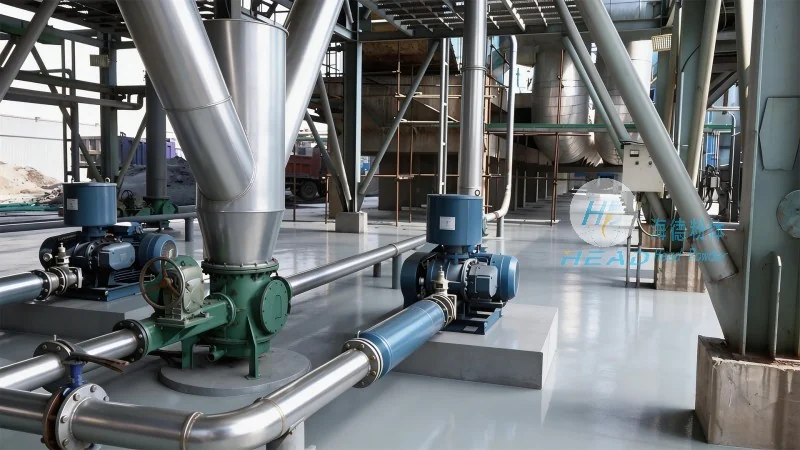
An intermittent inflated tank pneumatic conveying system is a specialized type of pneumatic conveyor designed to transport bulk materials efficiently over medium to long distances. Unlike continuous systems, this technology operates in cycles, where the tank is inflated and deflated to move material. The system is particularly effective for handling fine powders, granules, and other dry bulk materials, offering advantages such as low maintenance, minimal product degradation, and the ability to handle materials with high moisture content or abrasive properties.
Key Components and Operational Mechanism
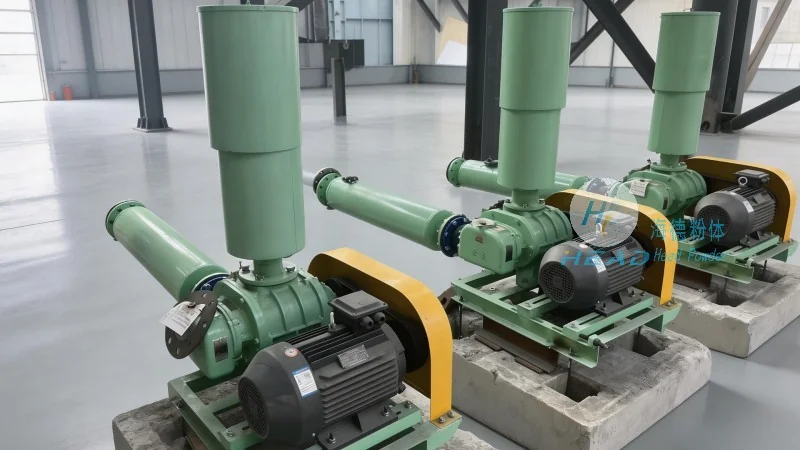
The core components of an intermittent inflated tank pneumatic conveying system include an inflatable tank, a blower or compressor, a control system, and a discharge valve. The process begins with the tank being filled with the material to be conveyed. The blower then inflates the tank, creating a pressure differential that propels the material forward through the pipeline. Once the tank is emptied, it is deflated and refilled, repeating the cycle. This intermittent operation allows for precise control over material flow and pressure, reducing energy consumption and wear on components.
Design Principles and Engineering Considerations
The design of an intermittent inflated tank pneumatic conveying system is guided by several key principles to ensure optimal performance and reliability. Material properties, such as particle size, density, and flowability, are critical factors in determining the system's configuration. The tank's dimensions, including its volume and shape, are tailored to accommodate the specific material being handled, while the blower's capacity is matched to the required air flow rate and pressure. Additionally, the system incorporates safety features, such as pressure relief valves and overheat protection, to prevent accidents and ensure safe operation.
Advantages and Applications
Intermittent inflated tank pneumatic conveying systems offer several advantages over traditional conveying methods. They are highly efficient for transporting materials with high moisture content or those prone to clumping, as the inflation and deflation cycles prevent material buildup and ensure consistent flow. The system also minimizes product degradation due to reduced friction and impact, making it suitable for sensitive materials like pharmaceuticals, food products, and chemicals. Industries that benefit from this technology include food processing, pharmaceutical manufacturing, chemical processing, and mining, where bulk material handling is essential.
Customization and Integration with Existing Systems
HeadPowder provides customized solutions tailored to the specific needs of each client. The company's engineers work closely with customers to design systems that integrate seamlessly with existing infrastructure, ensuring minimal disruption to production processes. Customization options include varying tank sizes, different blower types, and specialized materials for the tank and components to withstand harsh environments or corrosive materials. This flexibility allows clients to optimize their conveying systems for maximum efficiency and cost-effectiveness.
Maintenance and Longevity
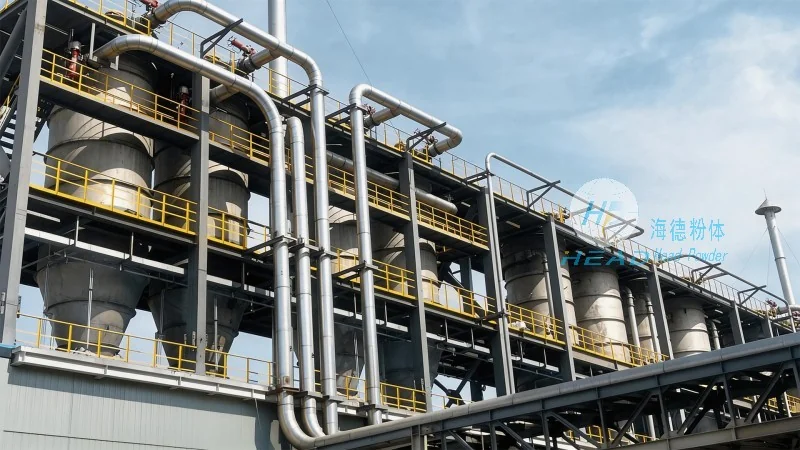
Maintaining an intermittent inflated tank pneumatic conveying system is straightforward, contributing to its long operational life. Regular maintenance includes checking the blower's performance, inspecting the tank for leaks or damage, and cleaning the system to prevent material buildup. HeadPowder offers comprehensive maintenance services to ensure that clients can maximize the lifespan of their equipment while minimizing downtime. The robust design of the system, combined with proper maintenance, results in low operational costs and high reliability over time.
Conclusion
Intermittent inflated tank pneumatic conveying systems represent a sophisticated solution for bulk material handling, combining efficiency, reliability, and adaptability. By understanding the design principles and operational mechanics of this technology, industry professionals can make informed decisions about implementing such systems in their operations. HeadPowder, with its expertise and commitment to quality, continues to lead in the development and manufacturing of advanced pneumatic conveying solutions, helping clients achieve their material handling goals with precision and efficiency.