

What is a Dust-Free Feeding Pneumatic Conveying Machine? And What Are Its Design Principles?
For industries that require precise material handling with minimal contamination, the dust-free feeding pneumatic conveying machine has emerged as a critical solution. This equipment is designed to transport bulk materials in a controlled, clean environment, ensuring that the product remains free from dust and other contaminants throughout the process. Understanding its functionality and design principles is essential for selecting the right equipment for specific applications.
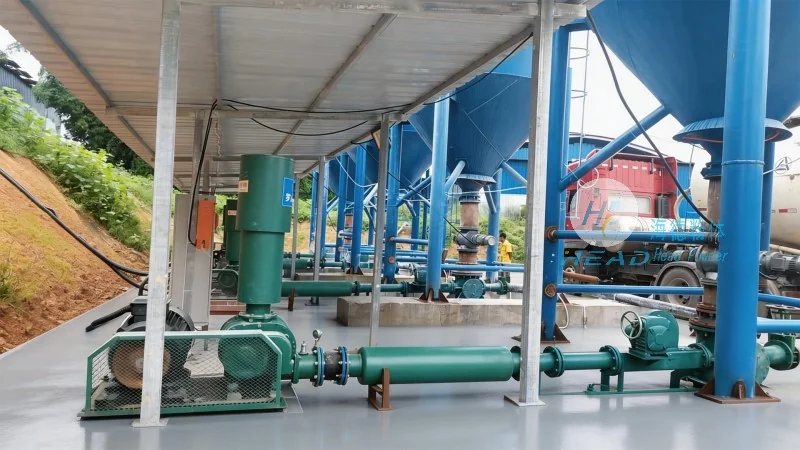
Introduction to Dust-Free Feeding Pneumatic Conveying Machines
A dust-free feeding pneumatic conveying machine is a type of pneumatic conveying system specifically engineered to handle materials that are sensitive to contamination or require a clean transfer process. Unlike traditional pneumatic conveyors, this equipment incorporates advanced filtration and sealing mechanisms to prevent dust from escaping and to maintain a sterile environment. The primary goal is to ensure that the material being transported remains in its original state, without any degradation or contamination from external factors.
Key Components and Design Principles
The design of a dust-free feeding pneumatic conveying machine is centered around several key components that work in tandem to achieve its objectives. The core components include a feeding hopper, an air compressor, a filter system, and a conveying pipeline. Each component plays a crucial role in the overall operation and efficiency of the system.
Firstly, the feeding hopper is responsible for storing and feeding the bulk material into the system. It is typically equipped with a rotary valve or a screw feeder to control the flow rate of the material, ensuring a consistent and controlled feed. This component is designed to minimize material buildup and prevent clogging, which can lead to operational issues. The hopper is also constructed with airtight seals to prevent dust from escaping during the feeding process.
Secondly, the air compressor provides the necessary pressure and airflow to move the material through the conveying pipeline. The compressor is selected based on the material's characteristics, such as particle size, density, and moisture content. For dust-free applications, high-pressure compressors are often used to ensure that the material is transported efficiently without losing its integrity. The compressor is also equipped with a filtration system to remove any oil or moisture from the air, preventing contamination of the material.
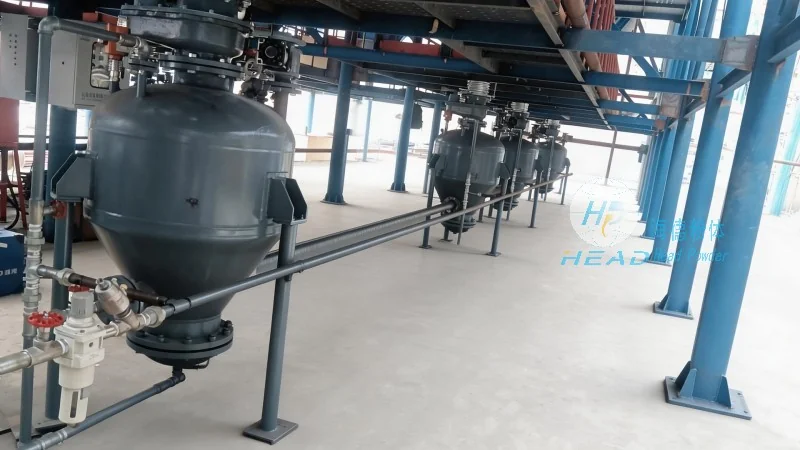
Thirdly, the filter system is a critical component that ensures the dust-free operation of the machine. It typically consists of a primary filter and a secondary filter. The primary filter removes larger particles from the air, while the secondary filter, often a HEPA filter, removes fine dust particles to ensure that the air discharged is clean. The filter system is designed to be easily accessible for maintenance and cleaning, ensuring that the machine operates efficiently over time.
Finally, the conveying pipeline is constructed from materials that are resistant to corrosion and wear, such as stainless steel or high-density polyethylene. The pipeline is designed with smooth transitions and minimal bends to reduce friction and prevent material buildup. The pipeline is also equipped with pressure sensors and flow meters to monitor the system's performance and ensure that the material is being transported at the optimal rate.
How the Design Principles Ensure Dust-Free Operation
The design principles of a dust-free feeding pneumatic conveying machine are focused on creating a closed system that prevents dust from entering or exiting the equipment. The airtight seals on the feeding hopper and the pipeline connections prevent dust from escaping into the environment. The filter system ensures that the air used for conveying is clean, preventing any contaminants from being introduced into the material. Additionally, the system is designed to maintain a slight positive pressure inside the conveying pipeline, which helps to prevent external air from entering and carrying dust particles into the system.
Another key design principle is the use of material handling techniques that minimize the generation of dust. For example, the rotary valve or screw feeder in the feeding hopper is designed to minimize the impact and friction between the material and the equipment, reducing the amount of dust generated. The conveying pipeline is also designed with smooth surfaces to prevent material buildup and reduce the risk of dust formation.
Applications and Benefits of Dust-Free Feeding Pneumatic Conveying Machines
Dust-free feeding pneumatic conveying machines are widely used in various industries, including pharmaceuticals, food processing, and chemical manufacturing. These industries require materials to be handled in a clean and sterile environment to meet regulatory standards and maintain product quality. The benefits of using this equipment include improved product quality, reduced contamination risks, and increased operational efficiency.
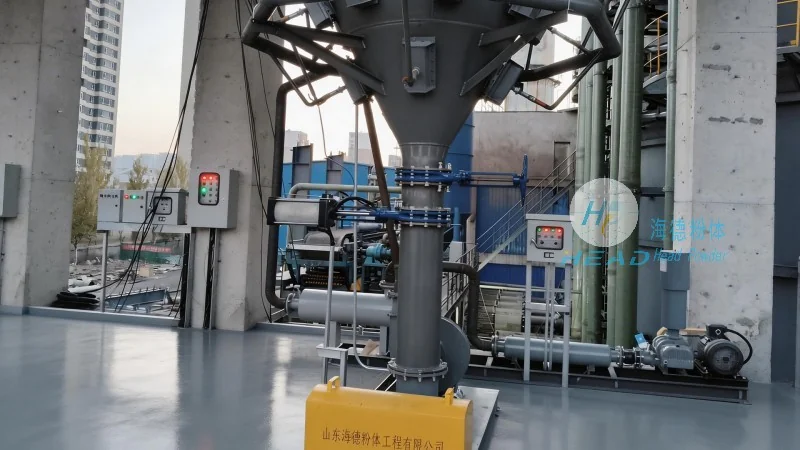
In the pharmaceutical industry, for example, dust-free feeding pneumatic conveying machines are used to transport active pharmaceutical ingredients (APIs) and other sensitive materials. The equipment ensures that the materials are handled in a sterile environment, preventing contamination from dust or other particles. This is crucial for maintaining the purity and effectiveness of the final product.
In the food processing industry, dust-free feeding pneumatic conveying machines are used to transport ingredients such as flour, sugar, and spices. The equipment ensures that the ingredients are handled in a clean and hygienic environment, preventing contamination from dust or bacteria. This is essential for maintaining food safety standards and ensuring that the final product is safe for consumption.
In the chemical manufacturing industry, dust-free feeding pneumatic conveying machines are used to transport powders and granules. The equipment ensures that the materials are handled in a controlled environment, preventing dust from escaping and causing health hazards or environmental contamination. This is crucial for maintaining workplace safety and complying with environmental regulations.
Conclusion and Company Information
Understanding the design principles and functionality of a dust-free feeding pneumatic conveying machine is essential for industries that require precise and contamination-free material handling. The equipment's advanced features and components ensure that materials are transported efficiently and safely, meeting the stringent requirements of various applications. For companies seeking reliable and high-quality dust-free feeding pneumatic conveying machines, Shandong HeadPowder Engineering Co., Ltd. offers a range of solutions tailored to specific industry needs. With their expertise and commitment to quality, HeadPowder provides equipment that enhances operational efficiency and product quality. Based in Shandong, China, HeadPowder serves clients globally, delivering innovative solutions for material handling challenges. Their products are designed to meet the highest standards of performance and reliability, ensuring long-term operational success for their clients.