

What is a Feather Pneumatic Conveying System? What Are Its Design Principles?
A feather pneumatic conveying system is a specialized industrial equipment designed for the efficient and reliable transport of fine powders and granular materials. This technology utilizes compressed air or other gases to move materials through a pipeline network, offering a flexible and often cleaner alternative to traditional mechanical conveying methods. The system is particularly well-suited for handling materials that are prone to dust, such as feathers, powders, and other light, particulate substances. By leveraging the principles of fluid dynamics and material science, these systems ensure minimal product degradation while maintaining high operational efficiency.
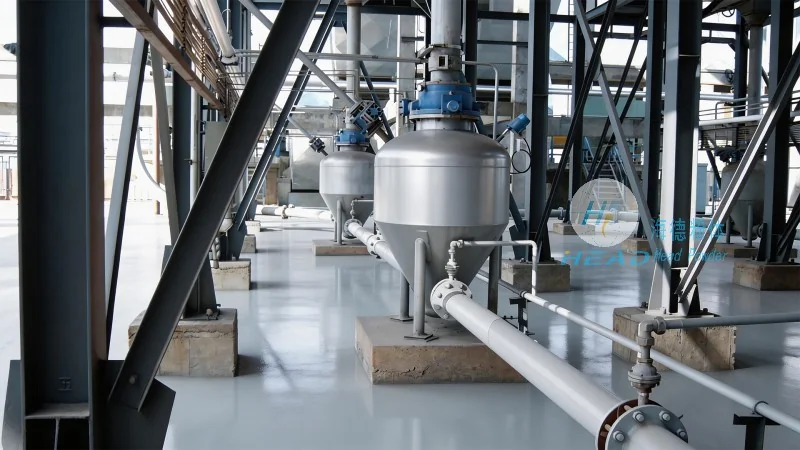
Key Components of a Feather Pneumatic Conveying System
The core components of a feather pneumatic conveying system include a material feed hopper, an air compressor or blower, a pipeline network, and a discharge unit. The feed hopper is responsible for storing and metering the material, ensuring a consistent flow into the system. The air compressor generates the necessary pressure to move the material through the pipeline, while the pipeline network connects various points of the system, such as the feed point, transfer points, and discharge point. The discharge unit, often equipped with a filter or cyclone separator, collects the conveyed material and separates it from the air stream. Each component plays a critical role in the overall performance and reliability of the system.
Design Principles and Operational Mechanics
The design principles of a feather pneumatic conveying system are centered on the balance between air velocity and material velocity. The system operates by creating a high-velocity air stream that entrains the material particles, carrying them through the pipeline. The key design considerations include the selection of appropriate air velocities to prevent material deposition or blockages, the sizing of the pipeline to accommodate the material flow without excessive pressure loss, and the integration of proper filtration to maintain air quality and system longevity. The system may employ different conveying modes, such as dilute phase (where material is suspended in the air stream) or dense phase (where material is transported in a slurry-like state), depending on the specific material characteristics and application requirements. For feather materials, the dilute phase is typically preferred due to the light weight and low density of the particles, which allows for efficient and gentle transport without causing damage.
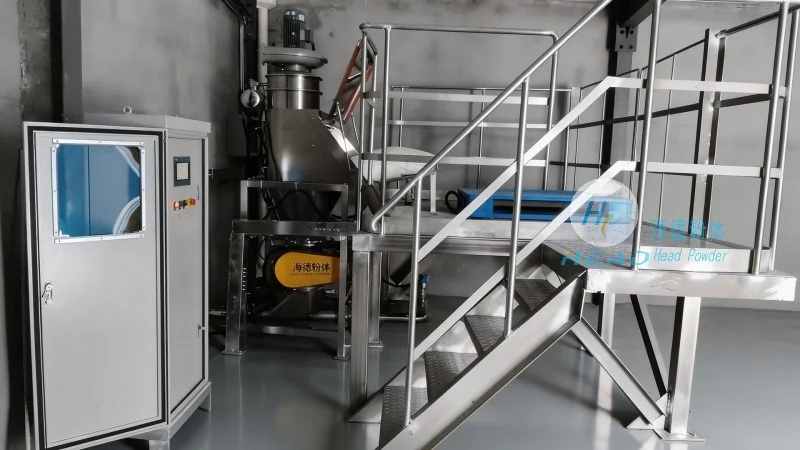
Advantages of Using a Feather Pneumatic Conveying System
Feather pneumatic conveying systems offer several advantages over traditional conveying methods. One of the primary benefits is the ability to transport materials over long distances with minimal maintenance. The system is also highly flexible, allowing for easy reconfiguration of the pipeline network to accommodate changes in production processes or facility layouts. Additionally, these systems provide a cleaner and more hygienic environment, as they minimize dust exposure and reduce the risk of cross-contamination. The gentle handling of materials ensures that delicate or sensitive products, such as feathers, are not damaged during transport, preserving their quality and value. Furthermore, the system can be integrated with other processing equipment, such as mixers or classifiers, to create a seamless production line, enhancing overall operational efficiency.
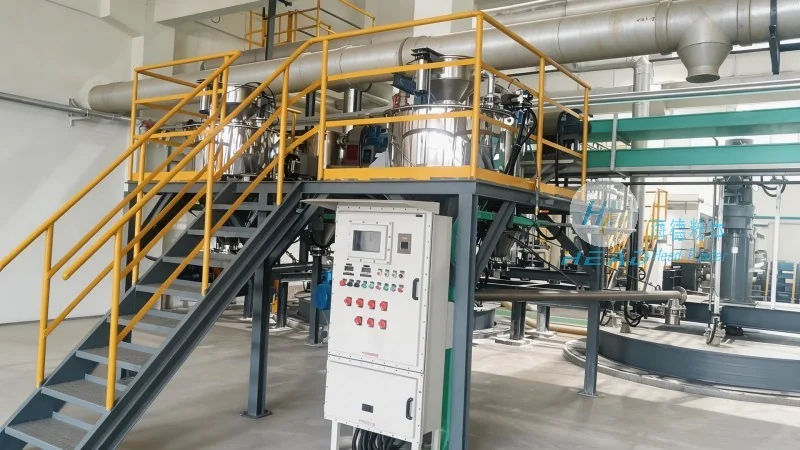
Applications and Industries
Feather pneumatic conveying systems are widely used in various industries that handle fine powders and granular materials. These include the food processing industry, where they are used to transport ingredients like flour, sugar, and spices. The pharmaceutical industry also benefits from these systems, as they ensure the safe and hygienic transport of powders used in drug manufacturing. In the chemical industry, feather pneumatic conveying systems are employed to handle various powders and granules, including those that are abrasive or corrosive. The agricultural sector also utilizes these systems for the transport of animal feed and other agricultural products. The versatility of the system makes it suitable for a wide range of applications, from small-scale operations to large industrial facilities.
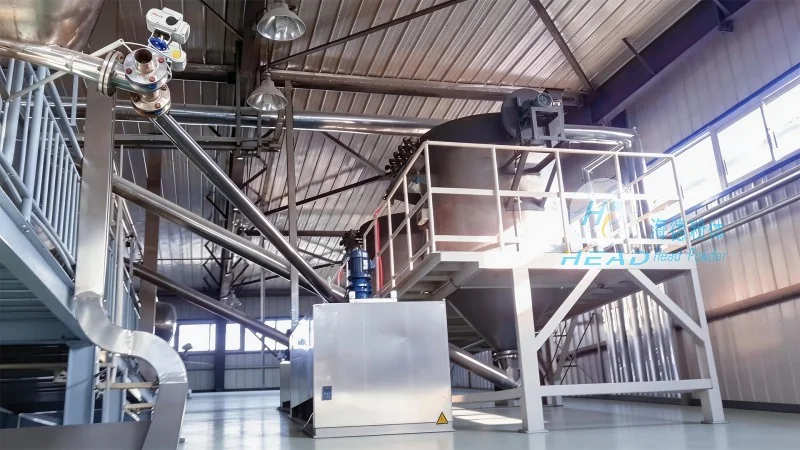
Installation and Maintenance Considerations
Proper installation and regular maintenance are crucial for the optimal performance and longevity of a feather pneumatic conveying system. During installation, it is essential to ensure that the pipeline network is properly sized and routed to minimize pressure losses and prevent blockages. The system should be equipped with appropriate filters and cyclones to maintain air quality and prevent material buildup in the pipeline. Regular maintenance tasks include checking the air compressor for proper operation, inspecting the pipeline for leaks or damage, and cleaning the filtration system to prevent clogging. By adhering to a regular maintenance schedule, users can ensure that the system operates efficiently and reliably, reducing downtime and maintenance costs over time.
Conclusion
In conclusion, a feather pneumatic conveying system is a sophisticated and efficient solution for the transport of fine powders and granular materials. By leveraging the principles of fluid dynamics and material science, these systems offer a flexible, clean, and gentle method of material handling. The key components, design principles, and operational mechanics work together to ensure high performance and reliability, making them an ideal choice for various industrial applications. With proper installation and maintenance, a feather pneumatic conveying system can provide long-term benefits, enhancing operational efficiency and product quality in the industries it serves.