

What is a Fish Meal Pneumatic Conveying System? And What Are Its Design Principles?
For industries involved in fish meal processing, efficient material handling is a critical factor in maintaining productivity and product quality. A fish meal pneumatic conveying system is a specialized piece of equipment designed to transport fish meal from one location to another using air pressure. This system provides a hygienic and reliable method for moving bulk fish meal, minimizing the risk of contamination and preserving the integrity of the product throughout the handling process. The design of such systems is tailored to meet the specific requirements of fish meal production, considering aspects like material characteristics, production scale, and operational environment.
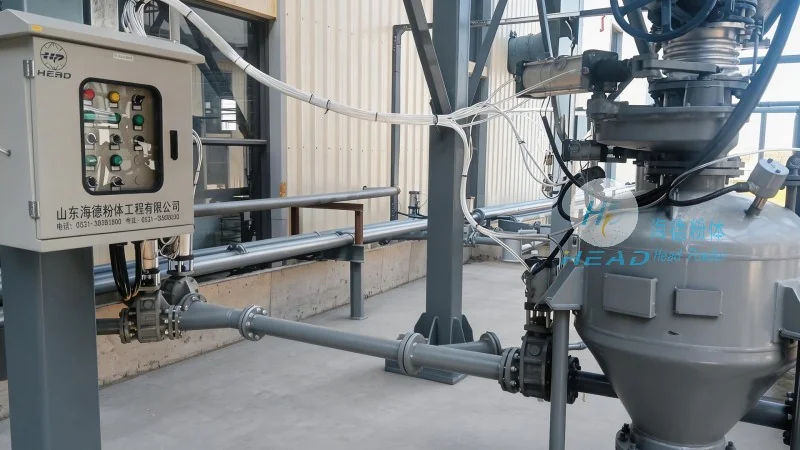
About Shandong HeadPowder Engineering Co., Ltd.
HeadPowder, a prominent name in the industrial conveying solutions sector, is a leading manufacturer and supplier of pneumatic conveying systems. Based in Shandong, China, the company has established itself as a trusted partner for businesses seeking efficient and reliable material handling solutions. With a strong commitment to quality, innovation, and customer satisfaction, HeadPowder specializes in designing and manufacturing high-performance systems for various industries, including the fish meal sector. The company’s expertise in engineering and manufacturing ensures that its products meet the highest standards of performance and durability.
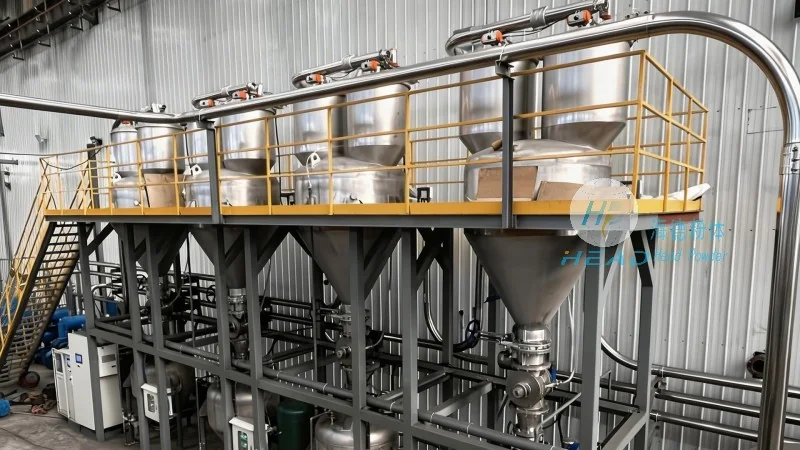
Design Principles of Fish Meal Pneumatic Conveying Systems
The design of a fish meal pneumatic conveying system encompasses several key principles to ensure optimal performance and efficiency. First, the system must be capable of handling the unique properties of fish meal, such as its fine particle size, moisture content, and potential stickiness. The conveying line typically consists of components like a hopper, a rotary airlock, a conveying pipe, and a receiver. The air pressure is generated by a blower or compressor, which creates a flow of air that carries the fish meal particles through the pipe. The design must also consider the air velocity and particle size to prevent blockages and ensure smooth operation. Additionally, the system is engineered to minimize product degradation by maintaining low temperatures and reducing friction. The selection of materials for components, such as stainless steel or food-grade plastics, is crucial to prevent contamination and comply with industry standards. The system may also incorporate features like pulse-jetting or air-cleaning filters to maintain consistent air quality and prevent dust accumulation, further enhancing the overall performance and longevity of the equipment.
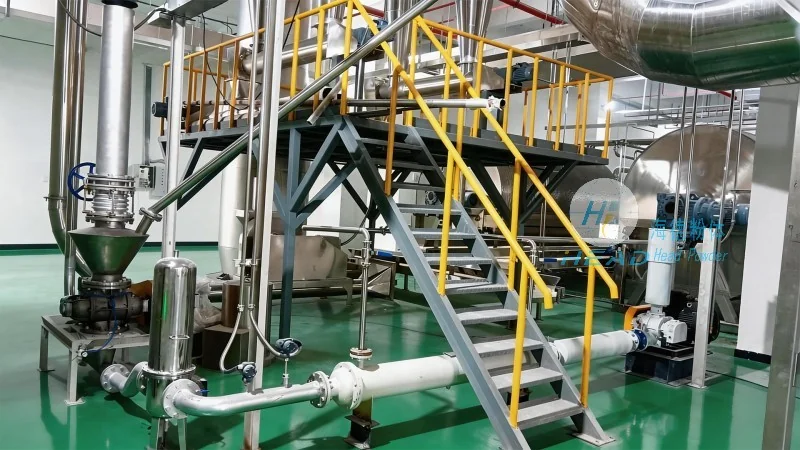
Advantages of Using Fish Meal Pneumatic Conveying Systems
Implementing a fish meal pneumatic conveying system offers several advantages over traditional material handling methods. One primary benefit is the hygienic nature of the system, which reduces the risk of product contamination from external sources. The enclosed design prevents dust and particles from escaping into the environment, making it suitable for food processing applications. Another advantage is the flexibility of the system, as it can be easily adjusted to handle different production volumes and product types. The system also automates the material handling process, reducing labor costs and allowing workers to focus on other tasks. Furthermore, the system is compact and can be installed in limited spaces, ideal for facilities with space constraints. The energy efficiency of the system, particularly with efficient blowers, contributes to lower operational costs over time.
Applications in Fish Meal Production
Fish meal pneumatic conveying systems are widely utilized in various stages of fish meal production. In the initial processing stage, the system transports raw fish meal from storage silos to the processing plant. During the processing stage, it moves fish meal from grinding and drying equipment to packaging machines. The system is also used in quality control and packaging stages to ensure consistent product flow. The ability to handle bulk quantities efficiently makes it suitable for large-scale fish meal production facilities. Additionally, the system can be integrated with other processing equipment, such as mixers and extruders, to create a seamless production line. The reliability of the system ensures minimal downtime, crucial for maintaining production schedules and meeting customer demands.
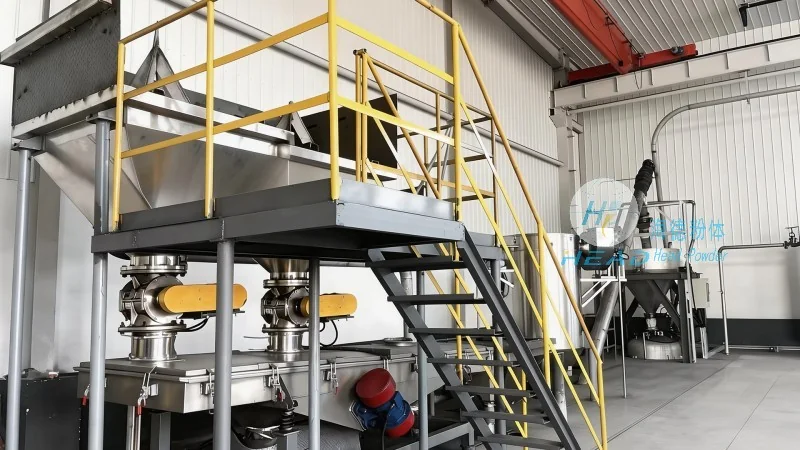
Maintenance and Operational Considerations
To ensure the long-term performance and reliability of a fish meal pneumatic conveying system, proper maintenance is essential. Regular cleaning of the conveying line and components is necessary to prevent the buildup of fish meal residue, which can lead to blockages and reduced efficiency. The rotary airlock and other moving parts should be lubricated regularly to ensure smooth operation and prevent wear and tear. The blower or compressor should be checked for proper air pressure and flow rates to maintain optimal conveying performance. Additionally, the system should be inspected for any signs of wear or damage, such as leaks or cracks in the pipe. Proper training of operators on the system’s operation and maintenance is also important to ensure safe and efficient use. By following these maintenance practices, the system can operate at peak performance for extended periods, reducing the need for frequent repairs and replacements.