

What is a Silica Fume Pneumatic Conveying System? And What Are Its Design Principles?
For industrial applications that require the efficient and reliable transport of silica fume—a fine powder commonly used as a supplementary cementitious material—pneumatic conveying systems offer a robust solution. These systems utilize air or other gases to move the material from one location to another, eliminating the need for traditional bulk handling methods like trucks or conveyor belts. This article explores the fundamentals of silica fume pneumatic conveying systems, detailing their operational principles and design considerations.
Understanding Silica Fume and Its Transport Needs
Silica fume, also known as microsilica, is a byproduct of silicon metal or ferrosilicon production. It consists of extremely fine particles with a high surface area, making it ideal for enhancing concrete strength and durability. However, due to its fine particle size and cohesive nature, transporting silica fume can be challenging. Traditional methods often result in material degradation, dust emissions, or inefficiencies. Pneumatic conveying systems address these challenges by providing a closed-loop, dust-free environment that ensures the material remains intact and is delivered to its destination with minimal loss.
The Core Components of a Silica Fume Pneumatic Conveying System
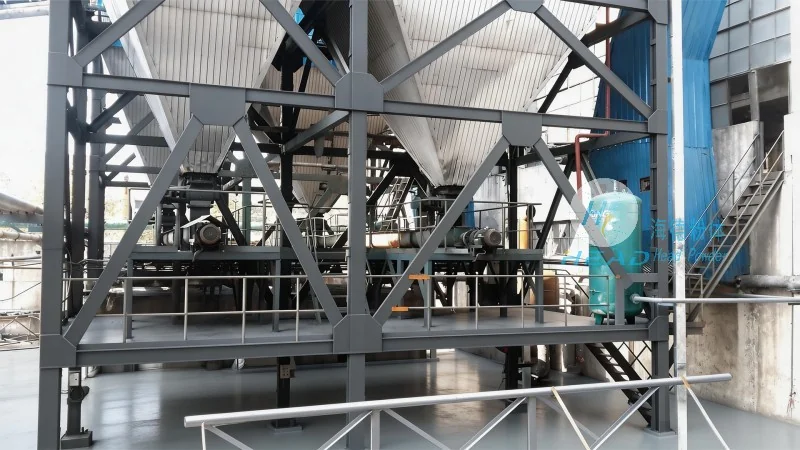
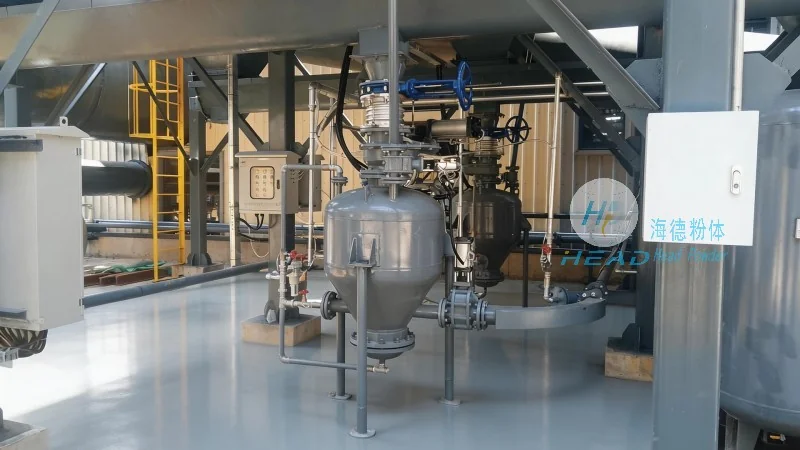
A typical silica fume pneumatic conveying system comprises several key components, each playing a critical role in the overall operation. The primary elements include a material feed hopper, a conveying line (often equipped with bends and straight sections), a dust collection system, and a receiver or discharge hopper. The feed hopper is designed to store and meter the silica fume, ensuring a consistent flow into the system. The conveying line, which may be made of stainless steel or other corrosion-resistant materials, transports the material through the system using compressed air. Bends and straight sections are strategically placed to maintain material velocity and prevent clogging. The dust collection system, such as a cyclone or baghouse, captures any fine particles that escape the conveying line, ensuring compliance with environmental regulations and maintaining air quality. Finally, the receiver hopper collects the conveyed material for further processing or storage.
Design Principles for Efficient Silica Fume Pneumatic Conveying
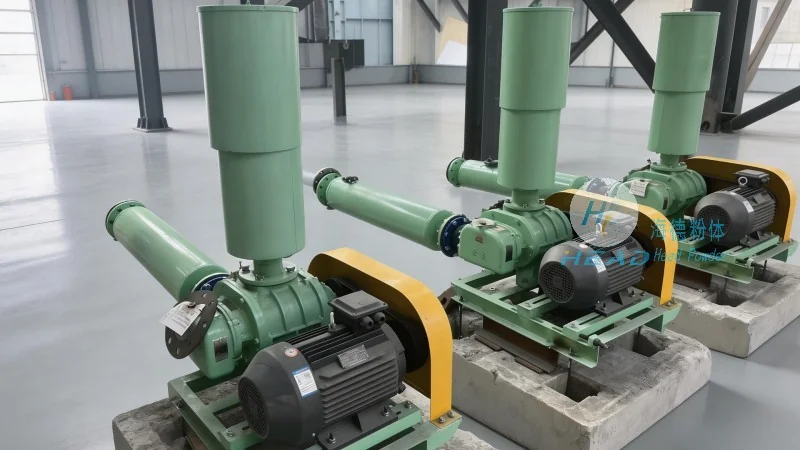
The design of a silica fume pneumatic conveying system is governed by several principles aimed at maximizing efficiency, minimizing energy consumption, and ensuring long-term reliability. One of the most critical design considerations is the selection of the appropriate conveying velocity. The velocity must be high enough to prevent material settling or clogging but low enough to avoid excessive wear on the system components. Engineers typically calculate the required velocity based on the material's properties, such as particle size, density, and flowability. Another key principle is the use of a closed-loop system, which recirculates the conveying air to maintain consistent pressure and temperature. This not only reduces energy costs but also improves material handling efficiency by preventing air leakage and maintaining a stable environment. Additionally, the system's layout is optimized to minimize the number of bends and changes in direction, as sharp turns can cause material to deposit and lead to blockages. Proper sizing of the conveying line and air compressor is also essential, as inadequate air flow can result in poor material transport, while excessive flow can increase energy consumption.
Advantages of Using a Silica Fume Pneumatic Conveying System
Implementing a pneumatic conveying system for silica fume offers numerous advantages over traditional transport methods. One of the most significant benefits is the elimination of dust emissions, which improves workplace safety and environmental compliance. The closed-loop design also reduces material loss, ensuring that the full quantity of silica fume is delivered to the intended location. Additionally, pneumatic systems provide greater flexibility in terms of layout, allowing for horizontal, vertical, or mixed-direction transport without the need for complex infrastructure. This makes them suitable for a wide range of industrial settings, from small-scale production facilities to large-scale concrete plants. Furthermore, the systems are generally more energy-efficient than other bulk handling methods, as they can operate with lower pressure and air flow rates while maintaining high material throughput. Finally, the reduced need for manual handling and the ability to automate the process enhance overall operational efficiency and reduce labor costs.
Applications and Industries That Benefit from Silica Fume Pneumatic Conveying
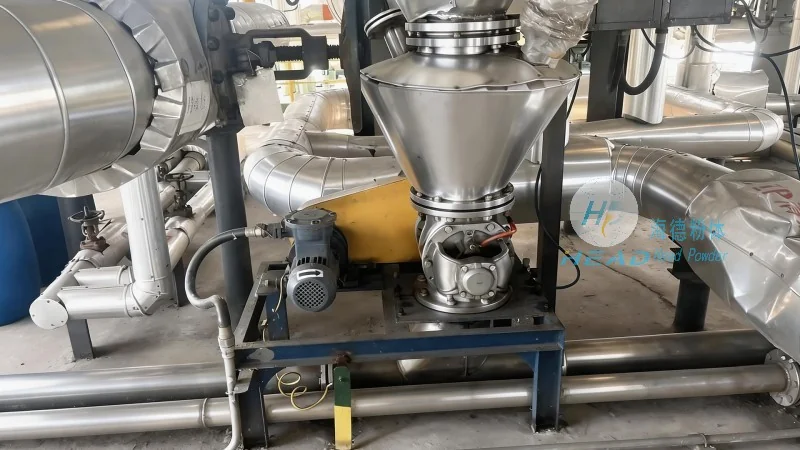
Silica fume pneumatic conveying systems are widely used in industries that rely on concrete production and construction. The most common applications include the transport of silica fume from storage silos to concrete mixing plants, where it is blended with cement to enhance the final product's properties. Other applications include the delivery of silica fume to precast concrete manufacturers, who use it to produce high-strength concrete components. In addition, the systems are used in industrial settings where silica fume is incorporated into other materials, such as refractory products or specialty cements. The versatility of pneumatic conveying systems makes them suitable for various industries, including construction, manufacturing, and infrastructure development. By ensuring the efficient and reliable transport of silica fume, these systems contribute to improved product quality, reduced operational costs, and enhanced safety in industrial environments.
Conclusion: The Role of Silica Fume Pneumatic Conveying Systems in Modern Industry
In conclusion, silica fume pneumatic conveying systems represent a sophisticated and effective solution for the transport of fine powders like silica fume. By leveraging the principles of pneumatic transport, these systems address the challenges associated with traditional bulk handling methods, offering benefits such as dust-free operation, material integrity, and energy efficiency. The design of these systems, which incorporates key components like feed hoppers, conveying lines, and dust collection systems, is tailored to meet the specific needs of industrial applications. As the demand for high-performance concrete and other silica fume-based products continues to grow, the importance of reliable and efficient conveying systems will only increase. Companies like Shandong HeadPowder Engineering Co., Ltd., based in China, specialize in designing and manufacturing such systems, providing industrial clients with the tools they need to optimize their material handling processes and enhance their operational performance.