

[Dust Pneumatic Conveying Equipment: Understanding Its Function and Design Principles]
For industrial operations dealing with bulk materials like powders and granules, efficient material handling is crucial. Among the various technologies available, dust pneumatic conveying systems stand out as a versatile and effective solution. This article, brought to you by Shandong HeadPowder Engineering Co., Ltd. (headpowder), explores what these systems are and delves into their core design principles, providing insights into how they operate and why they are widely adopted in industrial settings.
Introduction to Dust Pneumatic Conveying Systems
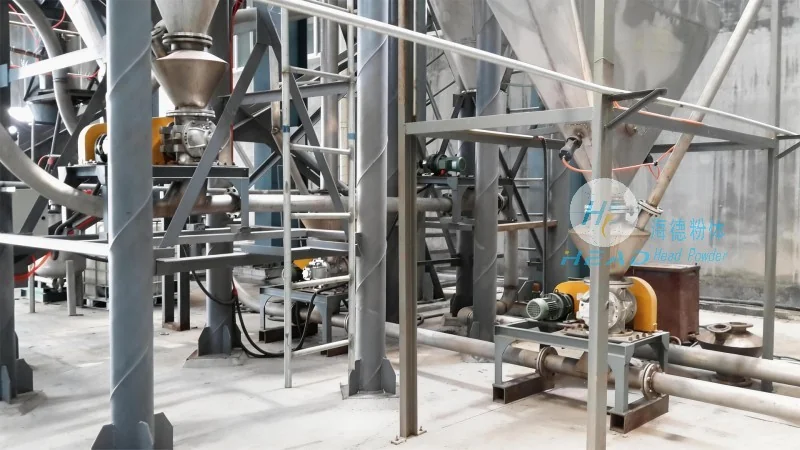
Dust pneumatic conveying, also known as pneumatic conveying, is a method of transporting bulk materials through a pipeline using a gas stream, typically air. This technology is particularly suited for handling fine powders, dusts, and other particulate materials that are difficult to move using traditional mechanical conveyors. The system operates by creating a pressure differential or using suction to move the material through the pipeline, ensuring a clean and efficient transfer process.
Key Components of a Dust Pneumatic Conveying System
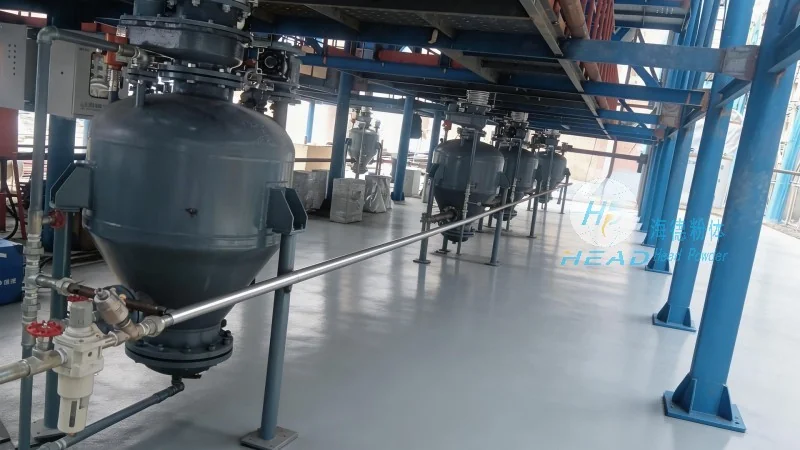
At the heart of any dust pneumatic conveying system are several key components that work in tandem to ensure smooth operation. These components include the material feed hopper, which holds the bulk material; the air compressor or blower, which generates the necessary air pressure; the pipeline network, which transports the material; and the control valves and regulators that manage the flow and pressure. Additionally, the system may include filters and dust collectors to ensure air quality and prevent material loss.

Design Principles for Efficient Dust Pneumatic Conveying
The design of a dust pneumatic conveying system is critical to its performance and efficiency. Several key principles guide the engineering of these systems, including the selection of appropriate air velocity, the use of suitable pipeline diameters, and the implementation of proper material handling techniques. The air velocity must be high enough to overcome the resistance of the material particles but low enough to prevent excessive wear on the system components. Pipeline diameter is also a critical factor, as it affects the pressure drop and the capacity of the system. Proper design also considers the material's properties, such as its density, flowability, and moisture content, to ensure optimal conveying performance.
Advantages of Dust Pneumatic Conveying Equipment
Compared to traditional mechanical conveyors, dust pneumatic conveying systems offer several advantages. These include the ability to transport materials over long distances, the flexibility to handle various material types, and the reduced risk of material contamination. The systems are also relatively compact and can be easily integrated into existing industrial setups. Additionally, they can handle materials that are difficult to move using other methods, such as abrasive or corrosive powders.
Applications in Industrial Settings
Dust pneumatic conveying systems are widely used in various industries, including pharmaceuticals, food processing, chemical manufacturing, and mining. In the pharmaceutical industry, for example, these systems are used to transport fine powders and granules while maintaining strict hygiene standards. In the food industry, they are used to handle ingredients like flour and sugar, ensuring that the materials remain clean and free from contamination. In chemical manufacturing, they are used to transport reactive powders and granules, minimizing the risk of accidents and ensuring safe handling.
Conclusion
Dust pneumatic conveying equipment is a vital technology in modern industrial operations, providing an efficient and effective means of handling bulk materials. By understanding the design principles and components of these systems, industries can optimize their material handling processes, improve productivity, and ensure safety. As technology continues to advance, these systems are likely to become even more efficient and versatile, further enhancing their role in industrial applications.