

What is a dry-mixed mortar pneumatic conveying system? What are its design principles?
Dry-mixed mortar pneumatic conveying systems are specialized equipment used to transport dry powders, such as those used in construction, efficiently and safely. These systems are essential in modern construction and building material industries, enabling the seamless transfer of mortar components from storage to mixing or application points. The technology behind these systems combines pneumatic principles with engineering design to ensure reliable material handling, minimal waste, and optimal performance. By utilizing air as the conveying medium, these systems eliminate the need for mechanical components like belts or buckets, reducing maintenance requirements and increasing operational reliability. This makes them particularly suitable for handling abrasive or fine powders, which can be difficult to transport using traditional methods.
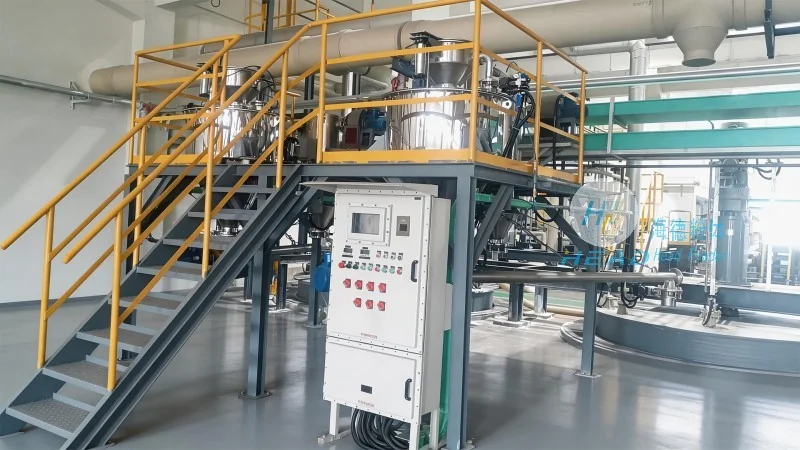
About Shandong HeadPowder Engineering Co., Ltd.
Shandong HeadPowder Engineering Co., Ltd., commonly known as HeadPowder, is a leading manufacturer and supplier of advanced material handling solutions. With a strong presence in China, particularly in Shandong, the company specializes in developing and manufacturing pneumatic conveying systems tailored for the construction industry. HeadPowder's expertise lies in creating customized solutions that meet the specific needs of clients, ensuring high efficiency, durability, and compliance with industry standards. The company's research and development team continuously innovates to improve system performance, incorporating the latest technologies to enhance material handling capabilities.
How Pneumatic Conveying Systems for Dry-Mixed Mortar Work
The core of a dry-mixed mortar pneumatic conveying system is the use of air pressure to move dry powders through a pipeline. The system typically consists of a hopper for material storage, a blower or compressor to generate airflow, and a pipeline network that transports the material. The process begins when dry mortar components are fed into the hopper. The blower then creates a low-pressure zone, drawing the material into the pipeline as it is carried by the air stream. This method allows for continuous, unattended operation, reducing labor costs and improving production throughput. The system can handle various materials, including cement, sand, and additives, by adjusting the airflow and pressure settings to match the material's properties.
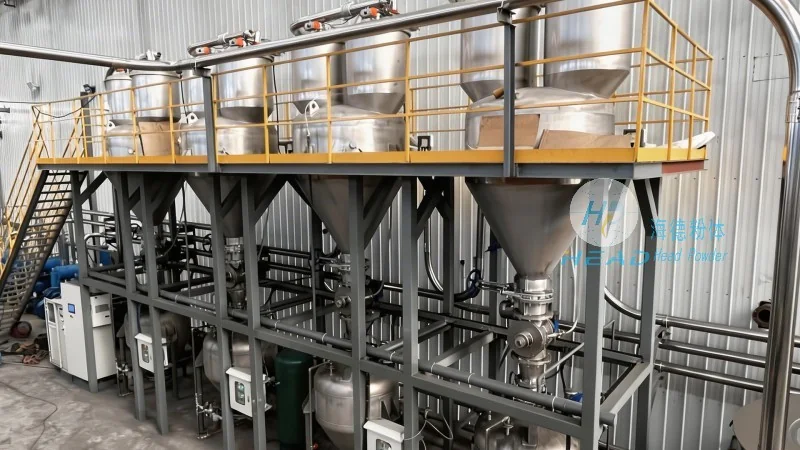
Design Principles of Dry-Mixed Mortar Pneumatic Conveying Systems
The design of a dry-mixed mortar pneumatic conveying system involves several critical principles to ensure optimal performance. First, the system must be designed to handle the specific properties of dry mortar powders, including particle size, moisture content, and flowability. Engineers at HeadPowder consider factors such as material density, abrasiveness, and potential for caking to select appropriate components like hoppers, valves, and pipelines. For example, hoppers are often designed with sloped sides to prevent material bridging, while valves are chosen based on the material's flow characteristics. Second, the system's airflow rate and pressure must be carefully calibrated to maintain consistent material flow without causing blockages or excessive energy consumption. This involves selecting the right type of blower (e.g., rotary lobe or positive displacement) and determining the optimal pipeline diameter and length. The airflow rate is typically adjusted based on the material's bulk density and the desired conveying velocity. Third, the system is designed for scalability, allowing it to be expanded or modified as production needs change. This flexibility ensures that the system remains efficient and cost-effective over time. For instance, additional pipeline sections or blower units can be added to accommodate increased production volumes without replacing the entire system.
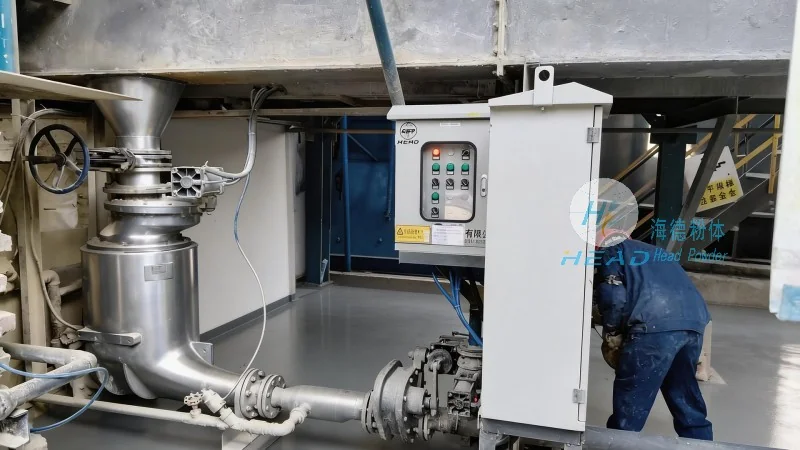
Advantages of Using Dry-Mixed Mortar Pneumatic Conveying Systems
Implementing a dry-mixed mortar pneumatic conveying system offers numerous benefits for construction and building material companies. One of the key advantages is the reduction in material waste and handling costs. Unlike traditional methods that rely on manual or mechanical conveyors, pneumatic systems minimize spillage and loss during transport, leading to significant cost savings. For example, a well-designed pneumatic system can reduce material loss by up to 95%, compared to traditional methods that may lose 10-20% of the material. Additionally, these systems enhance operational efficiency by enabling continuous production, as materials can be transferred automatically without interruptions. This allows production lines to run 24/7, increasing output and reducing downtime. The technology also improves safety by eliminating the need for manual handling of heavy or dusty materials, reducing the risk of workplace injuries. For instance, operators no longer need to handle heavy bags or buckets of mortar, which can lead to back injuries or respiratory issues. Furthermore, the systems are designed for easy maintenance and cleaning, which helps maintain hygiene standards and prolong the equipment's lifespan. Regular cleaning of the pipeline and components prevents the buildup of material residues, ensuring consistent performance and reducing the risk of blockages.
Applications in the Construction Industry
Dry-mixed mortar pneumatic conveying systems are widely used in various applications within the construction industry. They are commonly employed in the production of dry-mixed mortar, where components like cement, sand, and additives are transported from storage silos to mixing plants. The systems are also used in large-scale construction projects, such as residential and commercial building sites, where mortar is delivered directly to the application point. In addition, these systems are utilized in the manufacturing of precast concrete products, where dry mortar is used as a binding agent. The versatility of the system allows it to adapt to different production scales and material types, making it a valuable asset for any construction-related business. For example, in a large residential construction project, a pneumatic conveying system can transport mortar from a central storage facility to multiple work sites, ensuring a consistent supply of material. In precast concrete manufacturing, the system can deliver dry mortar to the molding machines, where it is mixed with water to form the final product. The system's ability to handle different materials and scales makes it a versatile solution for various construction applications.