

What is a Polyethylene Resin Powder Pneumatic Conveying System? What Are Its Design Principles?
Understanding the polyethylene resin powder pneumatic conveying system is crucial for industries dealing with bulk material handling. This system efficiently transports polyethylene resin powders through an air-driven mechanism, offering a reliable solution for material transfer in various applications. The design principles behind such systems are centered on optimizing performance, ensuring safety, and maintaining material integrity during transport.
What Is a Polyethylene Resin Powder Pneumatic Conveying System?
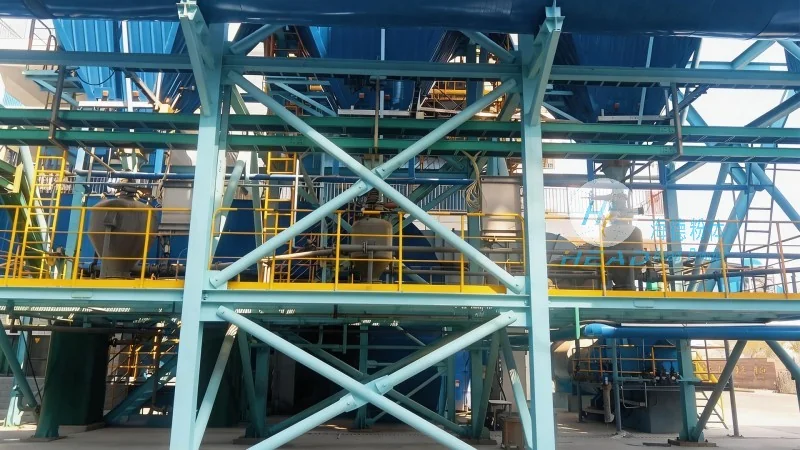
A polyethylene resin powder pneumatic conveying system is a specialized equipment setup designed to move polyethylene resin powders from a source to a destination using compressed air or other gas as the conveying medium. Unlike traditional mechanical conveyors, this system relies on the force of air to lift, transport, and deposit the resin powder. The system typically includes components like a hopper for material storage, a feeder to control the flow rate, a conveying line (often with bends and fittings), and a receiver for the material at the end of the line. The entire setup is engineered to handle the unique properties of polyethylene resin, such as its fine particle size, low bulk density, and potential for static electricity, ensuring efficient and safe material transfer.
Key Design Principles for Polyethylene Resin Powder Pneumatic Conveying Systems
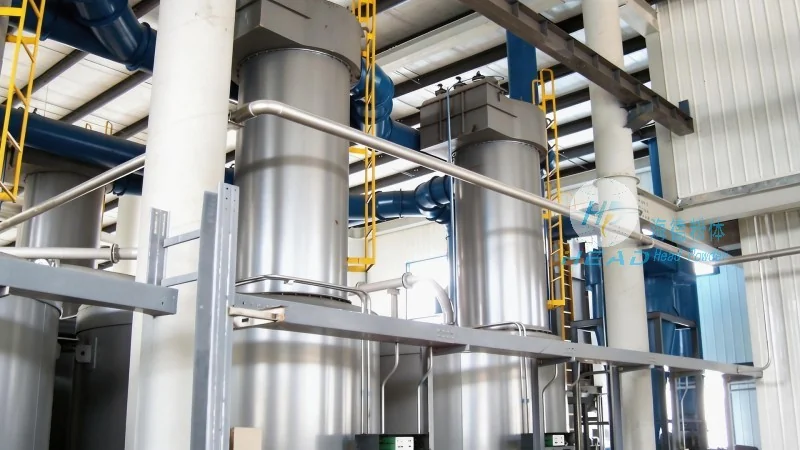
The design of a polyethylene resin powder pneumatic conveying system follows several critical principles to ensure optimal performance and reliability. First, the system must address the material's physical characteristics, including particle size distribution, moisture content, and flowability. Proper hopper design and feeding mechanisms are essential to prevent material bridging or caking, which can disrupt the conveying process. Second, the air flow rate and pressure must be carefully calculated to achieve the desired conveying velocity while minimizing energy consumption. This involves selecting appropriate air volumes and pressure levels that balance the need for efficient transport with operational cost considerations. Third, the system must incorporate features to manage static electricity, as polyethylene resin is prone to generating static charges during handling. This is typically achieved through grounding, ionizers, or anti-static additives to prevent dust accumulation and potential fire hazards. Fourth, the design must consider the system's scalability and adaptability to different production requirements. This includes provisions for easy expansion or integration with other processing equipment, ensuring the system can grow with the user's needs. Finally, safety and maintenance considerations are integral to the design. Components like check valves, filters, and pressure relief devices are included to protect the system from overpressure and ensure smooth operation. Regular maintenance schedules and accessible components are also part of the design to minimize downtime and extend the system's lifespan.
Components and Their Roles in the System
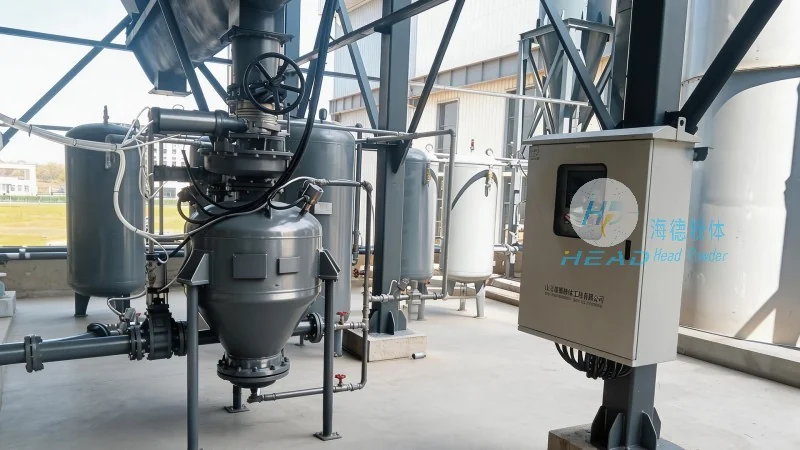
The polyethylene resin powder pneumatic conveying system consists of several key components, each playing a vital role in the overall operation. The hopper serves as the storage container for the polyethylene resin powder, providing a stable and controlled source of material. It is typically designed with a conical or rectangular shape to facilitate uniform material flow and prevent clogging. The feeder, often a rotary valve or a vibratory feeder, regulates the flow rate of the resin powder into the conveying line. This component ensures a consistent feed, preventing surges or gaps that could affect the conveying efficiency. The conveying line is the main pathway for the material and air mixture. It is usually made of stainless steel or other corrosion-resistant materials to withstand the abrasive nature of the polyethylene resin and the effects of compressed air. The line includes various fittings, such as elbows, tees, and reducers, which are designed to handle the air and material flow without causing excessive pressure drops or material deposition. The receiver is the final component where the polyethylene resin powder is deposited. It is typically a hopper or a container that collects the material after it has been conveyed through the system. The receiver may include a discharge valve or a conveyor to transfer the material to the next processing stage. Additional components may include filters to remove dust from the air, pressure sensors to monitor system performance, and control panels to regulate the air flow and feeding rate. Each component is carefully selected and integrated to ensure the system operates efficiently and safely, meeting the specific requirements of the polyethylene resin powder handling application.
Advantages of Using a Polyethylene Resin Powder Pneumatic Conveying System
Implementing a polyethylene resin powder pneumatic conveying system offers several advantages over traditional mechanical conveyors. First, it provides a dust-free and enclosed environment, which is critical for maintaining material purity and preventing contamination. This is particularly important for polyethylene resin, which is often used in applications where high purity is required, such as in the production of plastic products or coatings. Second, the system offers flexibility in terms of layout and installation. It can be configured to follow complex routes, including vertical and horizontal segments, without the need for extensive civil works or structural modifications. This makes it suitable for retrofitting into existing facilities or for new installations in confined spaces. Third, the system is generally more energy-efficient compared to mechanical conveyors, as it uses compressed air to move the material rather than mechanical components like belts or chains. This reduces operational costs and environmental impact. Fourth, the system can handle a wide range of particle sizes and flow rates, making it adaptable to different production volumes and material characteristics. Finally, the system provides better control over the material flow, allowing for precise regulation of the conveying rate and ensuring consistent material delivery to downstream processes. These advantages make the polyethylene resin powder pneumatic conveying system a preferred choice for industries seeking reliable, efficient, and safe material handling solutions.
Conclusion and Company Information
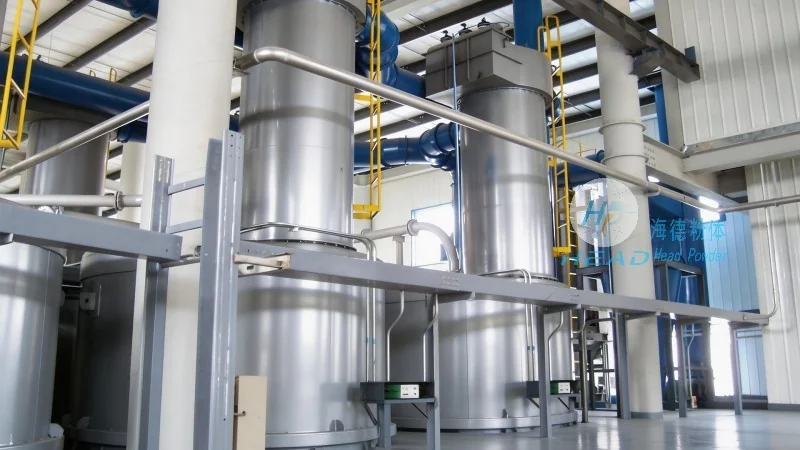
Understanding the polyethylene resin powder pneumatic conveying system and its design principles is essential for optimizing material handling processes in industries that rely on polyethylene resin. The system's ability to efficiently and safely transport fine powders, combined with its flexible design and energy efficiency, makes it a valuable asset for manufacturers. Shandong HeadPowder Engineering Co., Ltd., a leading provider of such systems, specializes in designing and manufacturing customized pneumatic conveying solutions tailored to the specific needs of their clients. With a focus on quality, reliability, and innovation, HeadPowder ensures that their systems meet the highest industry standards and deliver long-term performance. Based in Shandong, China, HeadPowder leverages years of experience and advanced technology to provide comprehensive material handling solutions that enhance operational efficiency and productivity. Whether for new installations or system upgrades, HeadPowder's expertise in polyethylene resin powder pneumatic conveying systems helps industries achieve their material handling goals with confidence and reliability.