

What is an Electrolytic Calcium Carbide Dust Gas-Pneumatic Conveying System? And What Are Its Design
Electrolytic calcium carbide dust, also known as calcium carbide ash, is a byproduct generated during the production of calcium carbide. This material often contains a significant amount of fine particulate matter that needs to be handled and transported efficiently. The gas-pneumatic conveying system is a common solution for this application, offering a reliable method to move the dust from one location to another without the need for mechanical components like belts or buckets.
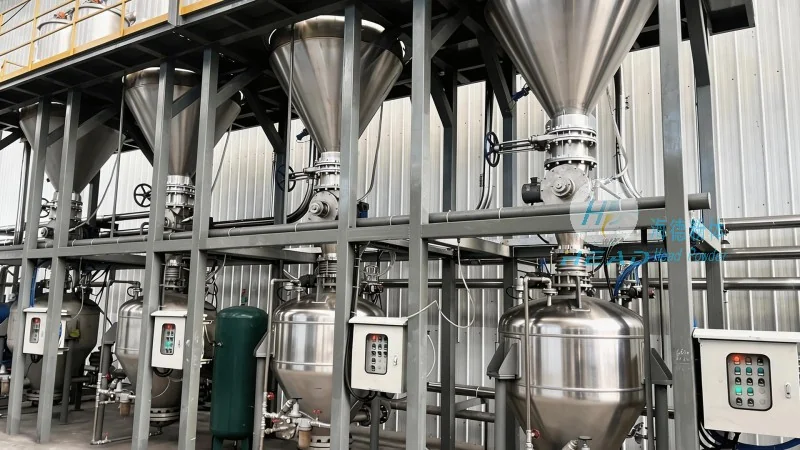
Understanding the Electrolytic Calcium Carbide Dust Gas-Pneumatic Conveying System
The system primarily consists of a dust collection hopper, a blower or air compressor, a pipeline network, and a discharge outlet. The process begins with the dust being drawn into the hopper by the suction created by the blower. The air then carries the dust particles through the pipeline to the discharge point, where the dust is deposited. This method is particularly effective for handling fine and abrasive materials like electrolytic calcium carbide dust, as it minimizes material degradation and reduces the risk of blockages compared to other conveying methods.
Key Components and Their Functions
1. Dust Collection Hopper: This component is designed to collect the electrolytic calcium carbide dust from the source, such as a production line or storage area. It typically features a conical or rectangular shape to ensure efficient material accumulation and a smooth transition into the pipeline. The hopper is often equipped with a lid or a sealing mechanism to prevent dust leakage and maintain a stable pressure environment.
2. Blower or Air Compressor: The heart of the gas-pneumatic system, the blower or compressor generates the necessary airflow to transport the dust. It can be a centrifugal blower or a positive displacement blower, depending on the system's requirements. The blower's capacity and pressure must be matched to the dust's characteristics and the pipeline length to ensure effective conveying without excessive energy consumption.
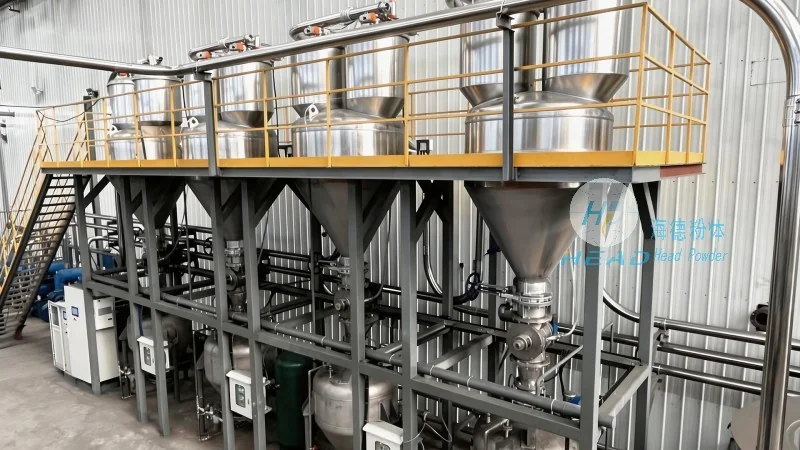
3. Pipeline Network: The pipeline is made of materials resistant to the corrosive and abrasive nature of the electrolytic calcium carbide dust. Common materials include stainless steel, polyethylene, or special coated pipes. The pipeline is usually arranged in a straight or slightly inclined path to facilitate the flow of dust and air. Proper pipe sizing and the use of bends or elbows with smooth transitions are crucial to prevent pressure losses and material buildup.
4. Discharge Outlet: The discharge outlet is where the dust is released from the system, typically into a storage silo, processing equipment, or a treatment unit. It is designed to handle the dust flow smoothly and prevent air leakage, ensuring that the dust is deposited without causing dust explosions or environmental issues. The outlet may include a valve or a gate to control the discharge rate and maintain system pressure.
Design Principles and Considerations
The design of an electrolytic calcium carbide dust gas-pneumatic conveying system involves several key principles to ensure optimal performance and safety. First, the system must be designed to handle the specific properties of the dust, such as its particle size distribution, moisture content, and abrasiveness. These factors influence the selection of components like the blower, pipeline material, and hopper design. Second, the system must maintain a stable pressure and airflow to prevent blockages and ensure consistent conveying rates. This requires careful calculation of the required air volume and pressure, based on the dust's characteristics and the pipeline length.
Third, safety considerations are paramount in the design of such systems. Electrolytic calcium carbide dust can be flammable and may pose explosion risks if not handled properly. Therefore, the system must include explosion-proof components, such as the blower and control panels, and may incorporate dust explosion prevention measures like inert gas purging or spark detection systems. Additionally, the system should be designed to minimize dust emissions and comply with environmental regulations, using sealing and filtration systems to prevent air pollution.
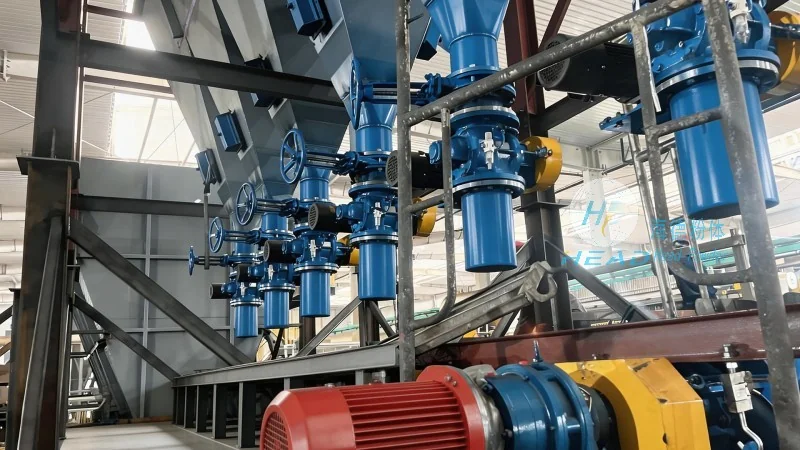
Advantages of the Gas-Pneumatic Conveying System
Compared to traditional mechanical conveying methods, the gas-pneumatic system offers several advantages for handling electrolytic calcium carbide dust. First, it is highly flexible, allowing the dust to be transported over long distances and to multiple discharge points without the need for complex infrastructure. Second, it is less prone to material degradation, as the dust is not subjected to friction or impact from mechanical components. Third, the system is relatively simple to install and maintain, with fewer moving parts compared to other conveying systems. Finally, it can be integrated with other dust handling equipment, such as dust collectors or processing units, to create a comprehensive dust management system.
Applications and Industries
The electrolytic calcium carbide dust gas-pneumatic conveying system is widely used in various industries that generate calcium carbide dust. These include the chemical industry, where calcium carbide is used as a raw material for producing acetylene gas, and the metallurgical industry, where it is used in steelmaking processes. The system is also used in the production of calcium carbide itself, as well as in the processing of other calcium-based compounds. In these applications, the system helps to improve production efficiency, reduce material loss, and enhance workplace safety by effectively handling the dust and preventing it from contaminating the environment or the production process.
Conclusion
The electrolytic calcium carbide dust gas-pneumatic conveying system is an effective and reliable solution for handling the fine particulate matter generated during calcium carbide production. By understanding the design principles and key components of the system, manufacturers can optimize its performance and ensure safe and efficient operation. As a leading provider of dust handling solutions, Shandong HeadPowder Engineering Co., Ltd. specializes in designing and manufacturing customized gas-pneumatic systems tailored to the specific needs of clients, ensuring that the system meets the highest standards of performance and safety.