

Vacuum Feeding Pneumatic Conveying Equipment: Understanding Its Function and Design Principles
When it comes to material handling in industrial settings, efficient and reliable equipment is crucial for maintaining productivity and ensuring smooth operations. One such equipment that has gained significant attention in recent years is the vacuum feeding pneumatic conveying system. This technology offers a versatile solution for transporting bulk materials over short to medium distances, making it an ideal choice for various industries including food processing, pharmaceuticals, and chemical manufacturing.
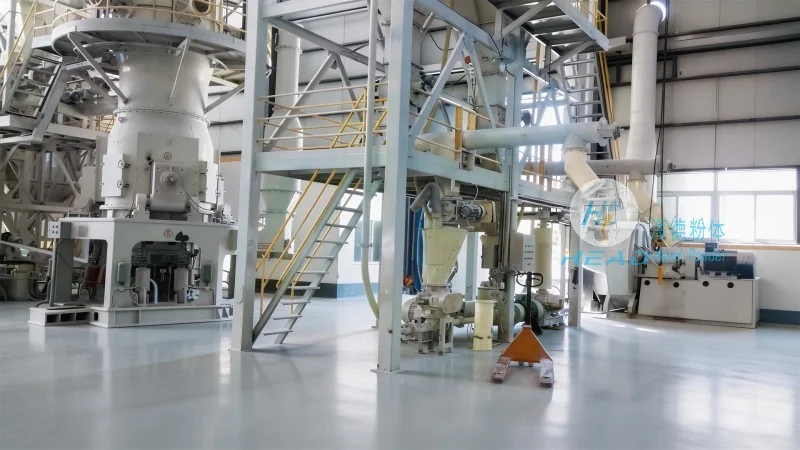
Introduction to Vacuum Feeding Pneumatic Conveying Equipment
Vacuum feeding pneumatic conveying equipment is a type of air-powered system designed to move dry bulk materials from a source to a destination using a vacuum or pressure differential. Unlike traditional mechanical conveyors, this system utilizes air as the medium to transport particles, eliminating the need for physical contact with the material. The equipment typically consists of a vacuum pump, a feeding hopper, a conveying line, and a discharge unit, all working in tandem to achieve efficient material transfer.
Key Components and Their Functions
Understanding the core components of a vacuum feeding pneumatic conveying system is essential to grasp its operational efficiency. The main components include:
1. Vacuum Pump: This is the heart of the system, responsible for creating the negative pressure needed to draw material from the source. The pump's capacity and efficiency directly impact the system's conveying rate and distance capabilities.
2. Feeding Hopper: The hopper serves as the storage and feeding chamber where bulk materials are loaded. It is designed to maintain a consistent material level and prevent clogging, ensuring a steady flow into the conveying line.
3. Conveying Line: Made of flexible or rigid tubing, the line transports the material from the hopper to the discharge point. The material is carried by the air stream, which is typically introduced at the inlet of the line.
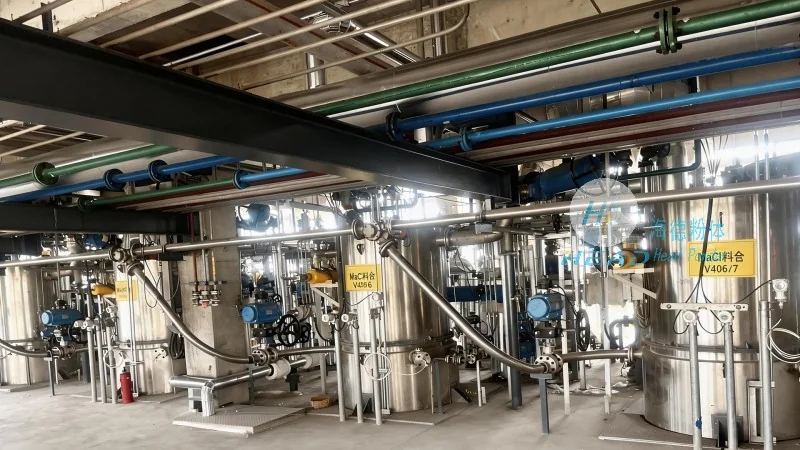
4. Discharge Unit: This component is responsible for releasing the material from the conveying line into the final destination, such as a silo, storage tank, or processing equipment. The unit may include a filter to separate the material from the air stream, preventing dust contamination.
Design Principles Behind Vacuum Feeding Systems
The design of vacuum feeding pneumatic conveying equipment is based on several fundamental principles that ensure optimal performance and reliability. The primary design principle is the creation of a consistent vacuum pressure to maintain a stable material flow. Engineers must consider factors such as material properties (e.g., particle size, density, moisture content), conveying distance, and required throughput when designing the system.
Another critical principle is the balance between the air flow rate and the material feed rate. If the air flow is too low, the material may not be fully entrained, leading to blockages or uneven flow. Conversely, excessive air flow can cause energy inefficiency and increased wear on components. Proper sizing of the vacuum pump and conveying line is essential to achieve this balance.
Material handling efficiency is also influenced by the system's ability to handle different types of materials. For example, abrasive or corrosive materials may require special materials for the hopper and line to prevent wear and damage. Additionally, the design may incorporate features like air filters and cyclones to ensure the material remains clean and free from contaminants, which is particularly important in industries like food and pharmaceuticals.
Applications and Benefits of Vacuum Feeding Pneumatic Conveying
Vacuum feeding pneumatic conveying equipment is widely used across various industries due to its versatility and efficiency. Some common applications include:
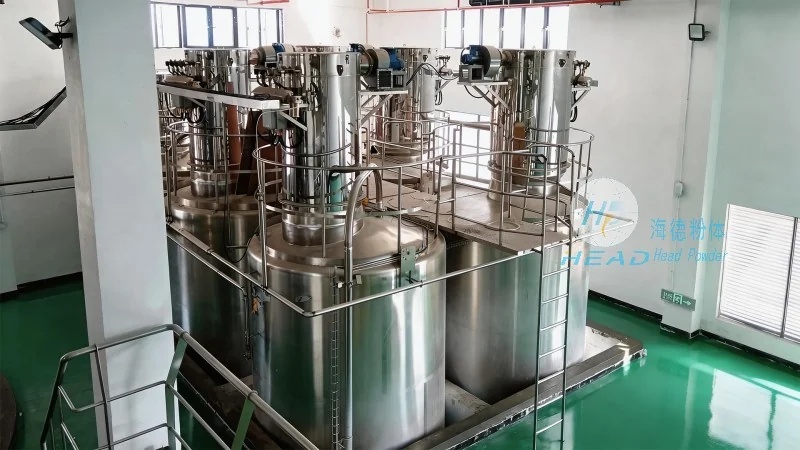
1. Food Processing: In food processing facilities, this equipment is used to transport ingredients like flour, sugar, and spices from storage to production lines. The vacuum system ensures that the materials are handled hygienically and without contamination.
2. Pharmaceutical Manufacturing: The pharmaceutical industry requires strict cleanliness and contamination control. Vacuum feeding systems are used to transport active ingredients and raw materials while maintaining a sterile environment.
3. Chemical and Petrochemical Industries: These industries often handle a wide range of bulk chemicals, some of which may be hazardous. The vacuum system allows for safe and efficient transfer of these materials, reducing the risk of accidents and exposure.
4. Plastics and Rubber Processing: In the plastics and rubber sectors, vacuum feeding is used to transport raw materials like resin and rubber powders to processing equipment. The system helps maintain consistent material quality and reduces downtime.
The benefits of using vacuum feeding pneumatic conveying equipment include:
- Reduced Labor Costs: Automated material handling reduces the need for manual labor, lowering labor costs and improving safety.
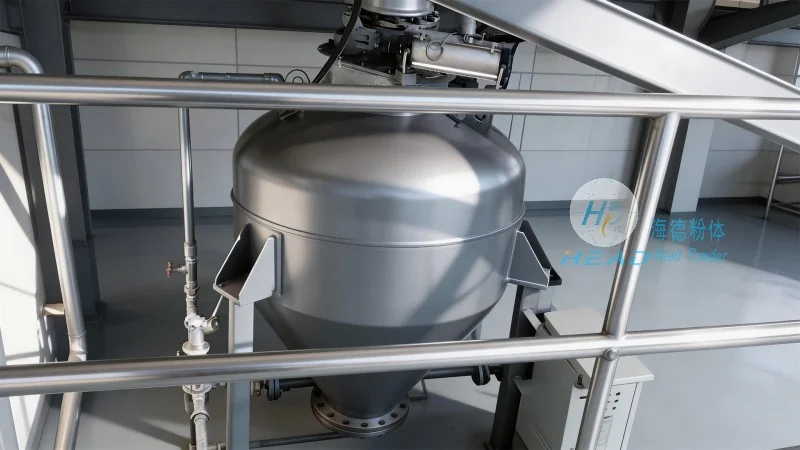
- Improved Product Quality: The system minimizes material degradation and contamination, ensuring consistent product quality.
- Space Efficiency: Unlike traditional conveyors, vacuum systems can be installed in tight spaces and follow irregular paths, making them suitable for facilities with limited space.
- Energy Efficiency: Modern vacuum feeding systems are designed to be energy-efficient, reducing operational costs and environmental impact.
Conclusion and Company Overview
Vacuum feeding pneumatic conveying equipment is a sophisticated and reliable solution for bulk material handling in various industrial applications. Its design principles, based on efficient air flow and material entrainment, ensure consistent performance and high throughput. As industries continue to demand more efficient and hygienic material handling solutions, the importance of such equipment will only grow.
Shandong HeadPowder Engineering Co., Ltd., a leading manufacturer based in China, specializes in designing and manufacturing high-quality vacuum feeding pneumatic conveying systems. With years of experience and a commitment to innovation, the company provides customized solutions tailored to the specific needs of its clients. HeadPowder's equipment is known for its durability, efficiency, and adherence to industry standards, making it a trusted choice for businesses seeking reliable material handling solutions.