

FeO Pneumatic Conveying Technology: Principles, Applications, and Development Trends
FeO, or iron(II) oxide, is a widely used chemical compound in various industrial processes. The efficient and safe transportation of FeO from production sites to processing facilities is crucial for maintaining operational efficiency and product quality. Pneumatic conveying technology offers a reliable solution for handling FeO, leveraging the principles of air flow to transport bulk materials. This article explores the fundamental principles of FeO pneumatic conveying, its practical applications across different industries, and the emerging trends that are shaping its future development.
Principles of FeO Pneumatic Conveying
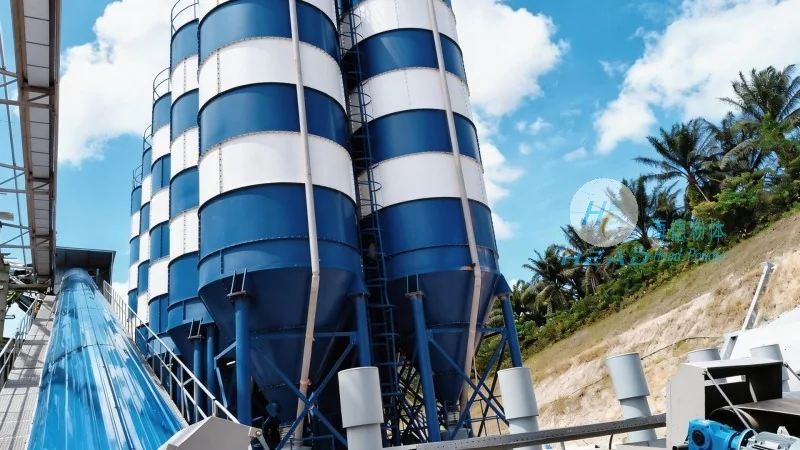
The core principle of pneumatic conveying for FeO involves the use of compressed air to create a flow that transports the solid particles through a pipeline. There are two primary types of pneumatic conveying systems: dilute-phase and dense-phase. Dilute-phase systems use low air velocity and high air-to-solid ratios, making them suitable for long-distance and high-capacity transport. Dense-phase systems, on the other hand, operate at higher air velocities and lower air-to-solid ratios, which are ideal for transporting sensitive materials or materials that require gentle handling. The choice between these systems depends on factors such as the particle size, density, and moisture content of the FeO, as well as the distance and throughput requirements of the application.
Applications of FeO Pneumatic Conveying in Industrial Settings
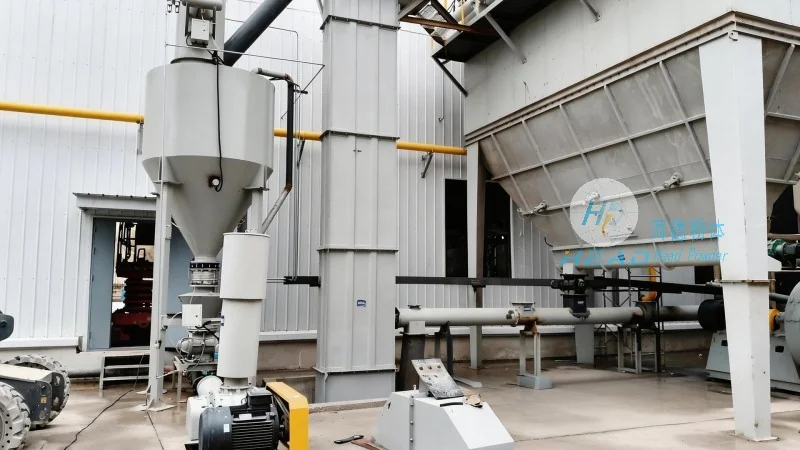
FeO pneumatic conveying technology is employed in a variety of industrial applications, particularly in sectors where the handling of bulk solids is essential. In the chemical industry, FeO is often used as a raw material in the production of pigments, catalysts, and other chemical products. Pneumatic conveying enables the seamless transfer of FeO from storage silos to reactors, ensuring consistent feed rates and minimizing material loss. The pharmaceutical industry also benefits from this technology, as it allows for the safe and hygienic transport of FeO used in the formulation of iron supplements and other medicinal products. Additionally, in the mining and mineral processing sector, FeO is a byproduct or a raw material, and pneumatic conveying systems are used to move it from mining sites to processing plants or storage facilities. The ability to handle FeO in a dust-free environment is particularly valuable in these applications, as it reduces the risk of contamination and improves workplace safety.
Advancements and Future Trends in FeO Pneumatic Conveying
The field of FeO pneumatic conveying is continuously evolving, driven by advancements in technology and the increasing demand for more efficient and sustainable material handling solutions. One of the key trends is the development of more energy-efficient systems, which aim to reduce operational costs and environmental impact. This includes the use of variable frequency drives (VFDs) to control air flow and pressure, optimizing energy consumption based on the actual conveying requirements. Another trend is the integration of automation and control systems, which enhance the precision and reliability of the conveying process. Advanced sensors and monitoring systems can detect changes in flow rates, pressure, or particle characteristics in real-time, allowing for immediate adjustments to maintain optimal performance. Furthermore, the adoption of sustainable materials and processes is gaining traction, with companies like Shandong HeadPowder Engineering Co., Ltd. (headpowder) leading the way in developing eco-friendly pneumatic conveying solutions. These advancements not only improve the efficiency of FeO transportation but also contribute to the overall sustainability of industrial operations.
Conclusion
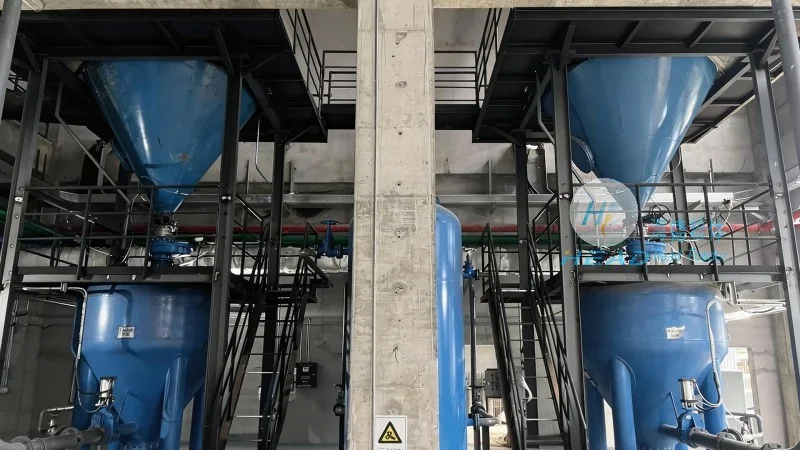
FeO pneumatic conveying technology plays a vital role in the efficient and safe handling of iron(II) oxide in various industrial applications. By understanding the fundamental principles, practical applications, and emerging trends, industries can make informed decisions about implementing or upgrading their material handling systems. As technology continues to advance, the future of FeO pneumatic conveying looks promising, with continued improvements in efficiency, sustainability, and automation. Companies such as Shandong HeadPowder Engineering Co., Ltd. are at the forefront of these developments, providing innovative solutions that meet the evolving needs of the industry.