

What is Lithium Oxalate Pneumatic Conveying Equipment? Structural Principles and Working Mechanism o
Lithium oxalate is a critical chemical compound widely used in various industries, including battery manufacturing, pharmaceuticals, and materials science. The efficient and safe transportation of lithium oxalate powder is essential for industrial processes, and pneumatic conveying systems have emerged as a reliable solution. This article provides an in-depth exploration of lithium oxalate pneumatic conveying equipment, detailing its structural components, operational principles, and the technology behind effective powder handling. The information is presented by Shandong HeadPowder Engineering Co., Ltd., a leading provider of specialized powder handling solutions based in China.
Key Structural Components of Pneumatic Conveying Systems for Lithium Oxalate
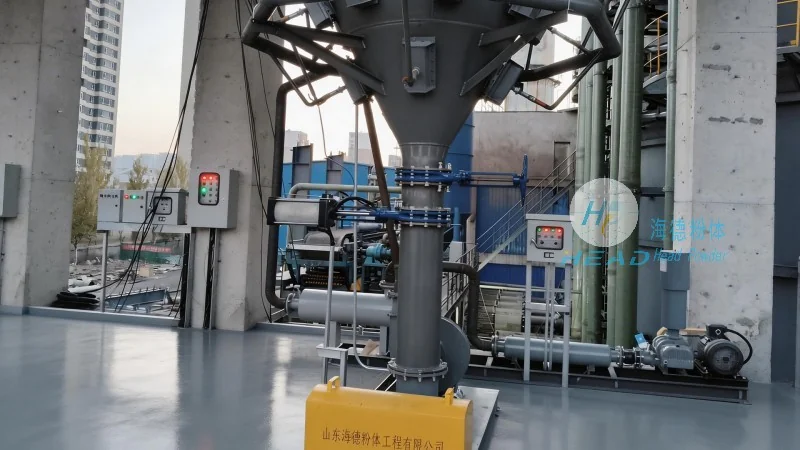
The core of any pneumatic conveying system for lithium oxalate involves several interconnected components designed to handle the material safely and efficiently. The primary components include the hopper, feeder, conveying line, and receiver. The hopper serves as the storage vessel, ensuring a consistent feed of lithium oxalate powder. A feeder, typically a rotary valve or a screw feeder, regulates the flow rate from the hopper into the conveying line. The conveying line, often made of stainless steel or other corrosion-resistant materials, transports the powder using compressed air. The receiver collects the conveyed material at the destination point. Additional components such as filters, cyclones, and pressure vessels may be integrated to enhance system performance and ensure material purity.
Working Mechanism: How Pneumatic Conveying Transports Lithium Oxalate
Pneumatic conveying operates on the principle of using compressed air to move particulate materials like lithium oxalate through a pipeline. The process involves creating a pressure differential between the hopper and the receiver. When the feeder opens, lithium oxalate particles are drawn into the conveying line by the air flow. The air velocity must be sufficient to overcome the gravitational force and the friction between particles and the pipe walls. The system can be classified as either pressure or vacuum type. In pressure systems, air is introduced at the hopper end, while vacuum systems use a vacuum at the receiver end to pull the material. For lithium oxalate, which is a fine powder, the pressure system is often preferred due to its ability to handle high flow rates and maintain material integrity.
Advantages of Pneumatic Conveying for Lithium Oxalate Handling
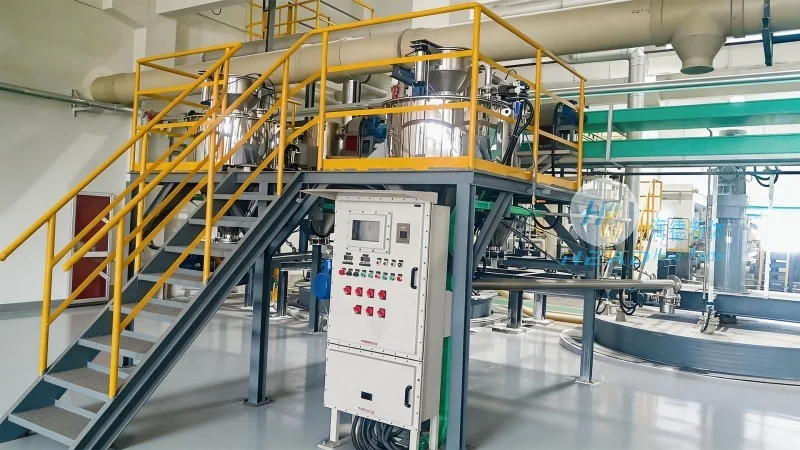
Compared to traditional mechanical conveying methods, pneumatic conveying offers several advantages for lithium oxalate transport. It eliminates the need for moving parts in the conveying line, reducing maintenance and wear. The enclosed system prevents dust contamination and environmental exposure, which is crucial for a material like lithium oxalate used in sensitive applications. Additionally, pneumatic systems can handle varying particle sizes and flow rates, providing flexibility in industrial processes. The ability to transport materials over long distances without intermediate storage points also enhances operational efficiency. These benefits make pneumatic conveying an ideal choice for industries requiring precise and reliable powder handling.
Application Scenarios and Industrial Use Cases
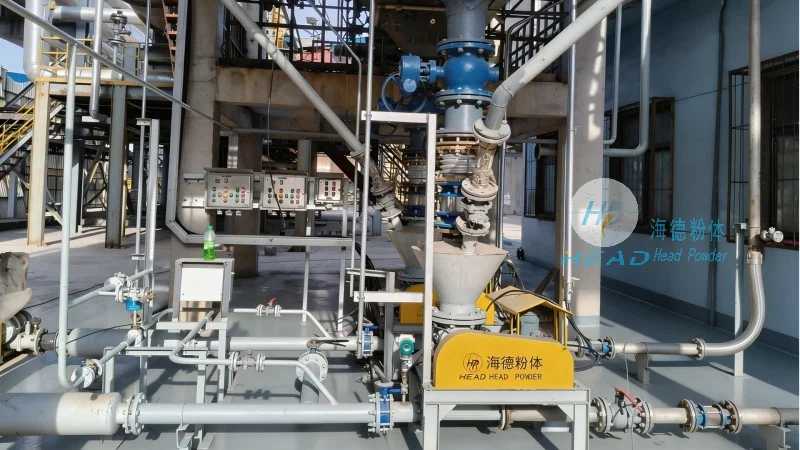
Lithium oxalate is commonly used in the production of lithium-ion batteries, where it serves as a precursor for lithium carbonate or lithium hydroxide. In battery manufacturing plants, pneumatic conveying systems are used to transport lithium oxalate from storage silos to processing units, such as reactors or crystallizers. The equipment must be designed to handle the high purity requirements of lithium oxalate, as any contamination can affect battery performance. Another application is in pharmaceutical manufacturing, where lithium oxalate may be used as an excipient or active ingredient. Here, the conveying system must comply with stringent regulatory standards for material handling and contamination control. The versatility of pneumatic conveying makes it suitable for various industrial settings, from large-scale battery production to smaller-scale pharmaceutical operations.
Technical Considerations and Design Factors for Lithium Oxalate Pneumatic Conveying
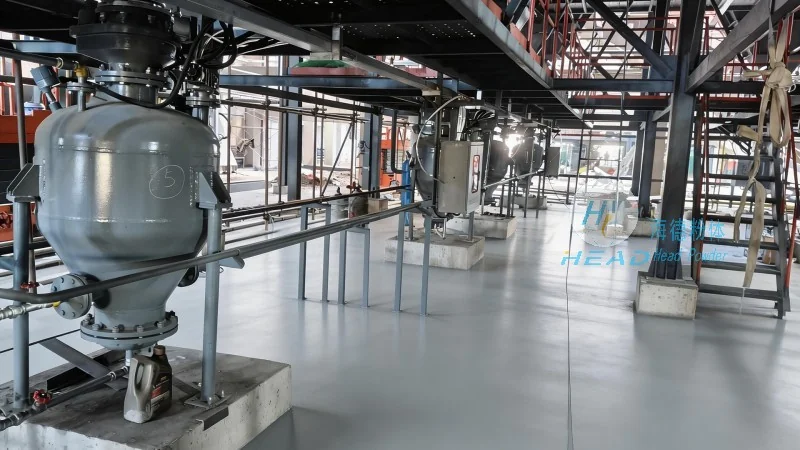
The successful design of a pneumatic conveying system for lithium oxalate depends on several technical factors. The first consideration is the particle size and density of the material. Lithium oxalate typically has a particle size ranging from 10 to 200 microns, with a bulk density of around 1.5 g/cm³. These characteristics influence the air velocity required for effective transport. The conveying line diameter and length also impact system performance; larger diameters reduce pressure drop but increase equipment cost. Material selection for the conveying line is critical, as lithium oxalate can be corrosive. Stainless steel or PTFE-coated pipes are commonly used to prevent chemical reactions and ensure durability. The system's pressure rating must be determined based on the maximum conveying distance and the required flow rate. Proper sizing of the feeder and air compressor is essential to maintain consistent material flow and avoid blockages or air leaks.
Maintenance and Operational Best Practices
Regular maintenance is crucial to ensure the longevity and efficiency of lithium oxalate pneumatic conveying equipment. Routine checks should include inspecting the hopper and feeder for material buildup or blockages, which can affect flow rates. The conveying line and receiver should be inspected for signs of wear or corrosion, particularly in areas exposed to the material. Filters and cyclones should be cleaned or replaced as needed to prevent dust accumulation and maintain air quality. The air compressor and associated components, such as valves and regulators, require periodic maintenance to ensure proper operation. Operational best practices include monitoring system pressure and flow rates, as deviations can indicate issues with the system. Training operators on proper start-up and shutdown procedures is also important to prevent damage to the equipment. By following these maintenance and operational guidelines, industries can maximize the performance and lifespan of their pneumatic conveying systems for lithium oxalate.