

What is the pneumatic conveying equipment for malt? Introduction to the structure and principle of p
Understanding the pneumatic conveying equipment used for malt is crucial for efficient powder handling in the food processing industry. This article provides an in-depth look at the structure and operational principles of such systems, highlighting how they are designed to handle malt and other similar powders effectively.
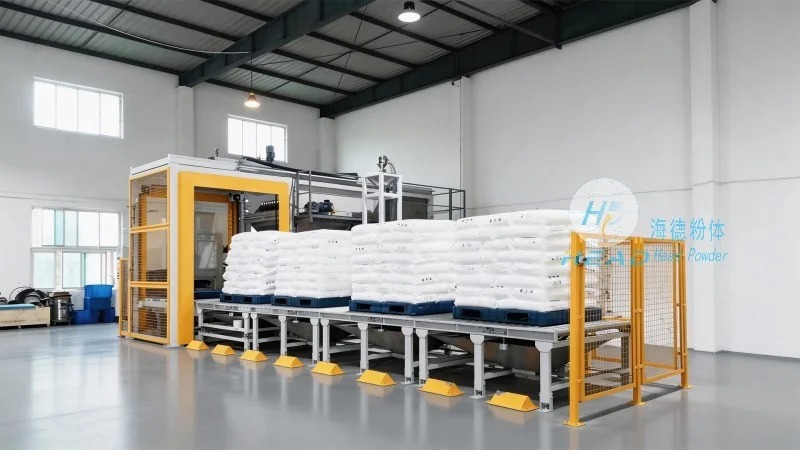
Introduction to Pneumatic Conveying Systems
Pneumatic conveying systems are widely used in various industries, including food processing, to transport bulk materials like malt from one location to another. These systems utilize air or gas as the conveying medium, enabling the movement of dry powders through a pipeline network. The primary advantage of pneumatic conveying is its ability to handle fine, dusty, or abrasive materials without the need for mechanical components that might cause contamination or wear.
Key Components of Malt Pneumatic Conveying Equipment
The malt pneumatic conveying system typically consists of several key components that work in tandem to ensure efficient material transport. These components include the hopper, feeder, air compressor, conveying line, and discharge unit. Each component plays a critical role in the overall operation of the system.
The Hopper and Feeder System
The hopper is the initial storage vessel where malt is loaded before being conveyed. It is designed to hold a sufficient quantity of material to maintain a steady flow into the feeder. The feeder, often a rotary valve or a screw feeder, regulates the flow of malt from the hopper into the conveying line. This control is essential to prevent overloading the system and to maintain consistent air pressure and material velocity.
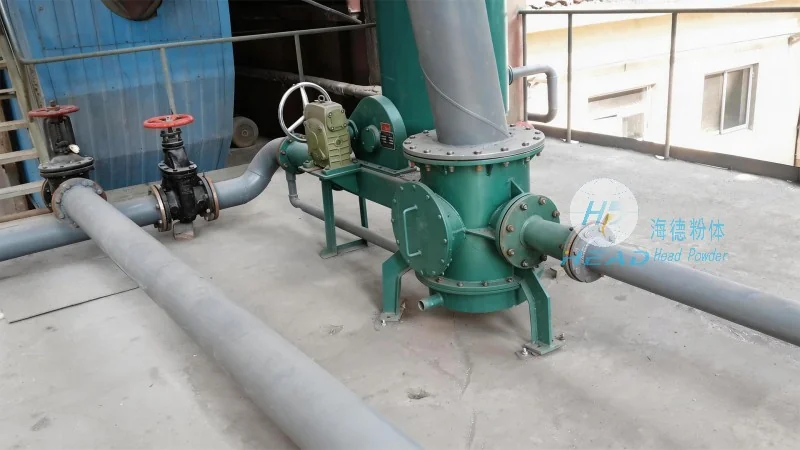
The Air Compressor and Pressure System
The air compressor is the heart of the pneumatic conveying system, responsible for generating the necessary air pressure to move the malt through the pipeline. The compressor draws in ambient air and compresses it to a pressure suitable for the conveying task. The pressure level is carefully controlled to ensure the malt particles are suspended and transported efficiently without causing excessive wear on the system components. The system also includes pressure regulators and filters to maintain clean and consistent air quality.
The Conveying Line and Pipeline Design
The conveying line is the main pathway through which the malt travels. It is typically made of stainless steel or other corrosion-resistant materials to withstand the abrasive nature of malt and to prevent contamination. The pipeline is designed with appropriate bends and elbows to guide the material flow smoothly. The diameter and length of the pipeline are critical factors that affect the system's performance, as they influence the air velocity and pressure drop along the line.
The Discharge Unit and Material Handling
The discharge unit is the final component of the system, where the malt is released from the conveying line into its destination container or processing equipment. This unit may include a rotary valve or a venturi system to control the flow and prevent backflow. The design of the discharge unit is important to ensure that the malt is discharged without causing dust or spillage, maintaining a clean and safe working environment.
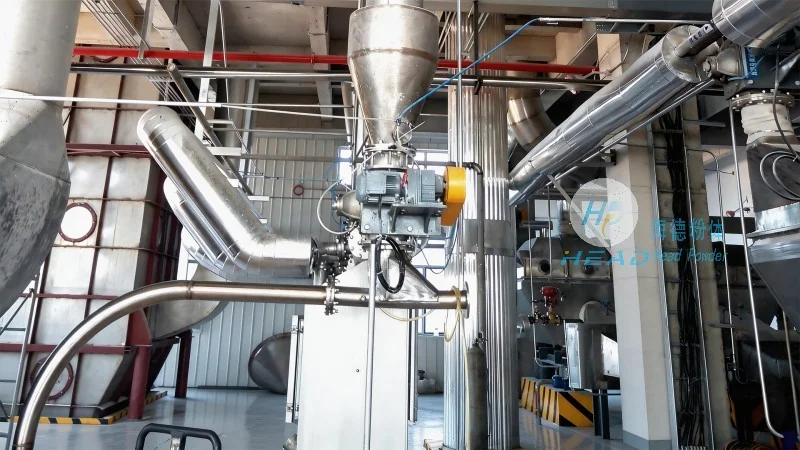
Operational Principles and Efficiency
The operational principle of a malt pneumatic conveying system is based on the creation of a pressure differential between the hopper and the discharge point. The air compressor generates high-pressure air that is introduced into the conveying line, creating a flow that lifts and transports the malt particles. The material is suspended in the air stream and moves along the pipeline due to the air's velocity and the pressure gradient. The system's efficiency depends on maintaining the correct air-to-material ratio, which ensures that the malt particles are fully suspended and transported without settling or clogging the pipeline.
Advantages of Using Pneumatic Conveying for Malt
There are several advantages to using pneumatic conveying equipment for malt. Firstly, it provides a clean and hygienic method of transporting the material, which is essential in food processing applications where contamination must be minimized. Secondly, the system is flexible and can be easily integrated into existing production lines. Thirdly, it reduces labor costs by automating the material handling process. Finally, the system is compact and can be installed in various spaces, making it suitable for different production environments.
Conclusion
In conclusion, the pneumatic conveying equipment for malt is a sophisticated system that combines several components to efficiently transport dry powders. The structure and operational principles of such systems are designed to handle the unique characteristics of malt, ensuring a clean, safe, and efficient material handling process. Companies like Shandong HeadPowder Engineering Co., Ltd., based in China, specialize in designing and manufacturing these systems to meet the specific needs of the food processing industry.