

What is Rubber Granule Pneumatic Conveying Equipment? An Introduction to the Structure and Principle
When it comes to the efficient and reliable transport of rubber granules and other bulk materials, pneumatic conveying systems have become a cornerstone in industrial applications. These systems utilize air as the primary medium to move particles from one location to another, offering advantages such as low maintenance, reduced contamination, and the ability to handle a wide range of material types. In this article, we will explore the components, working principles, and key features of rubber granule pneumatic conveying equipment, providing a comprehensive overview for those interested in understanding this critical technology.
Understanding Pneumatic Conveying Systems
Pneumatic conveying systems are designed to transport bulk materials through a pipeline using compressed air or other gases. The core of this technology lies in the ability to create a flow of air that can carry particles, often referred to as a "slurry" or "stream," through the system. There are two main types of pneumatic conveying: dilute phase and dense phase. Dilute phase systems operate at higher velocities, typically moving particles in a dispersed state, while dense phase systems use lower velocities and higher air-to-material ratios to move material in a more concentrated manner.
The Structure and Components of Rubber Granule Pneumatic Conveying Equipment
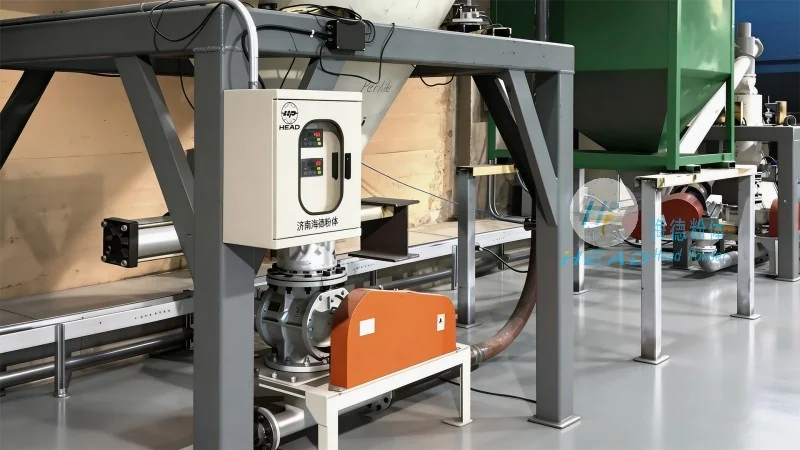
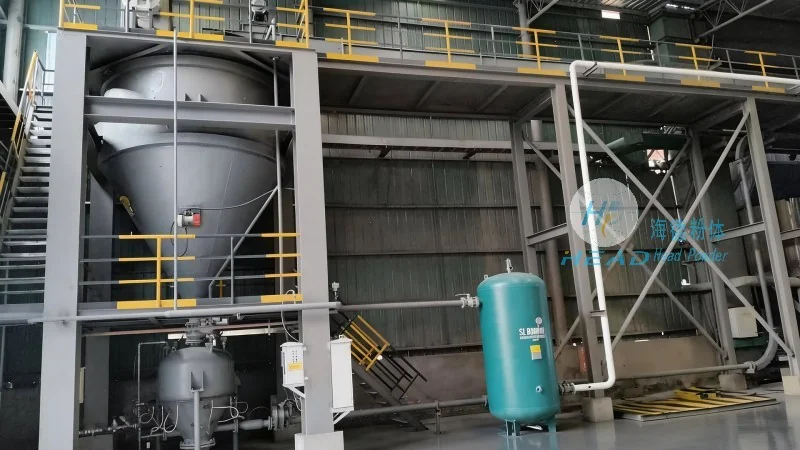
At the heart of a rubber granule pneumatic conveying system is a series of interconnected components that work in tandem to ensure efficient material transport. The primary components include a material hopper, a feeder, a conveying line, a receiver, and a control system. The material hopper is where the rubber granules are stored and fed into the system. The feeder, often a rotary valve or a screw feeder, regulates the flow of material into the conveying line. The conveying line itself is typically made of stainless steel or other corrosion-resistant materials to handle the abrasive nature of rubber granules. The receiver is the final destination for the material, where it is collected and discharged. The control system monitors and adjusts the air pressure, flow rate, and material feed to maintain optimal operation.

Working Principle of Rubber Granule Pneumatic Conveying
The operation of a rubber granule pneumatic conveying system involves several key steps. First, the rubber granules are fed from the hopper into the feeder. The feeder then meters the material at a consistent rate into the conveying line. Simultaneously, compressed air is introduced into the line, creating a flow that lifts and transports the granules. The air and material mixture travels through the pipeline to the receiver, where the material is separated from the air and collected. The air is then typically filtered and discharged back into the environment or reused in the system. This continuous cycle ensures that the rubber granules are moved efficiently and safely from the source to the destination.
Advantages of Rubber Granule Pneumatic Conveying Equipment
Compared to traditional mechanical conveying methods, rubber granule pneumatic conveying offers several advantages. These include reduced labor costs, as the system can operate with minimal human intervention. It also minimizes product contamination, as the material is enclosed within the pipeline, preventing exposure to dust, moisture, or other contaminants. Additionally, pneumatic systems can handle materials with high moisture content or those that are prone to clumping, as the air flow helps to break up agglomerates. The flexibility of the system allows for easy integration into existing production lines, with the ability to change the direction or length of the conveying line as needed.
About Shandong HeadPowder Engineering Co., Ltd.
HeadPowder, or Shandong HeadPowder Engineering Co., Ltd., is a leading manufacturer and supplier of advanced powder handling and pneumatic conveying equipment. With a focus on innovation and quality, the company has established itself as a trusted partner in the industry, providing solutions tailored to the specific needs of its clients. HeadPowder's products are designed to meet the highest standards of performance, reliability, and safety, ensuring that customers receive equipment that is durable, efficient, and easy to maintain. The company's headquarters is located in Shandong, China, where it has a dedicated team of engineers, technicians, and sales professionals dedicated to serving the global market.