

Lithium Iron Carbonate Pneumatic Conveying Technology: Principles, Applications, and Development Trends
Lithium iron carbonate (LiFeCO₃) is a critical raw material in the production of lithium-ion batteries, widely used in electric vehicles, renewable energy storage systems, and portable electronics. Efficient and reliable material handling is essential for the industrial processing of LiFeCO₃, and pneumatic conveying technology has emerged as a preferred solution due to its advantages in dust control, energy efficiency, and process integration. This article explores the principles, applications, and future trends of pneumatic conveying technology specifically for lithium iron carbonate, highlighting its role in modern industrial operations.
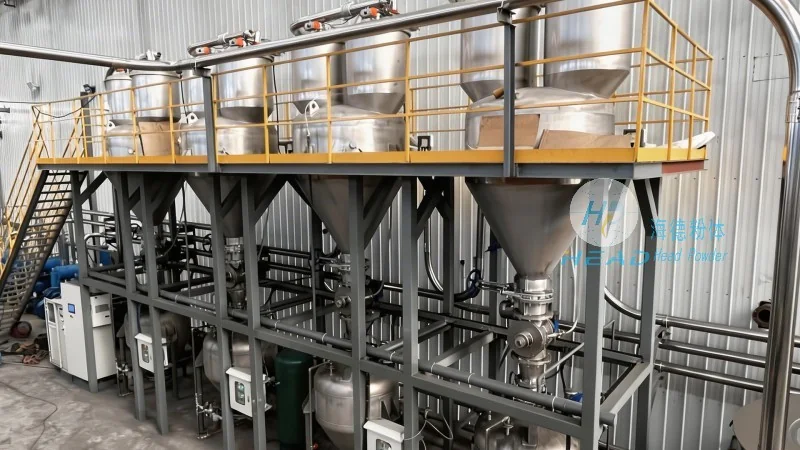
Company Profile: HeadPowder
Shandong HeadPowder Engineering Co., Ltd. (HeadPowder) is a leading provider of specialized engineering solutions for powder handling and material processing. With a focus on innovation and customer-centric design, HeadPowder offers comprehensive services, including the design, manufacturing, and installation of pneumatic conveying systems tailored to the unique requirements of the lithium battery industry. HeadPowder's expertise in handling fine powders like lithium iron carbonate ensures high performance, safety, and reliability in industrial applications.
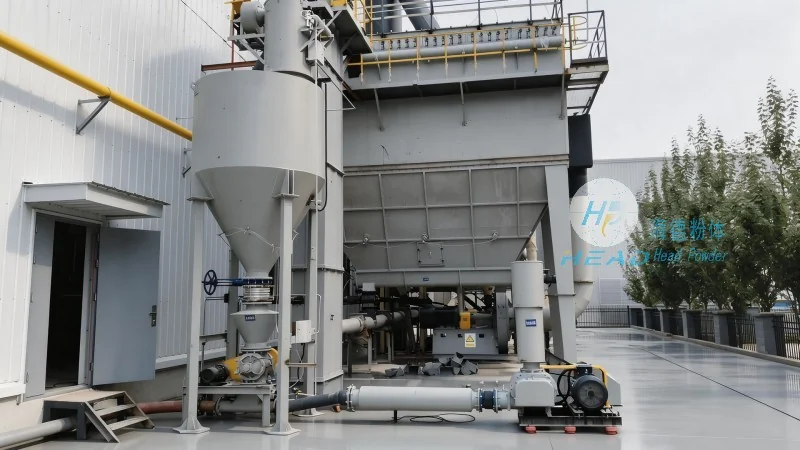
Principles of Pneumatic Conveying for Lithium Iron Carbonate
Pneumatic conveying operates by transporting solid particles through a pipeline using a gas stream, typically air or a mixture of air and other gases. The technology can be categorized into two main types: dilute-phase and dense-phase conveying. Dilute-phase systems use high-velocity air to suspend particles, suitable for long-distance transport and low to medium particle loads. Dense-phase systems, on the other hand, use lower velocities and higher pressure to push particles through the pipeline, ideal for handling fine powders with high moisture content or sensitive characteristics. For lithium iron carbonate, which is a fine powder with low bulk density, dilute-phase systems are often preferred due to their ability to maintain particle integrity and minimize degradation during transport. Key principles include maintaining optimal air velocity to prevent particle deposition, controlling pressure differentials to ensure smooth flow, and using appropriate pipeline materials to avoid chemical reactions with the powder.
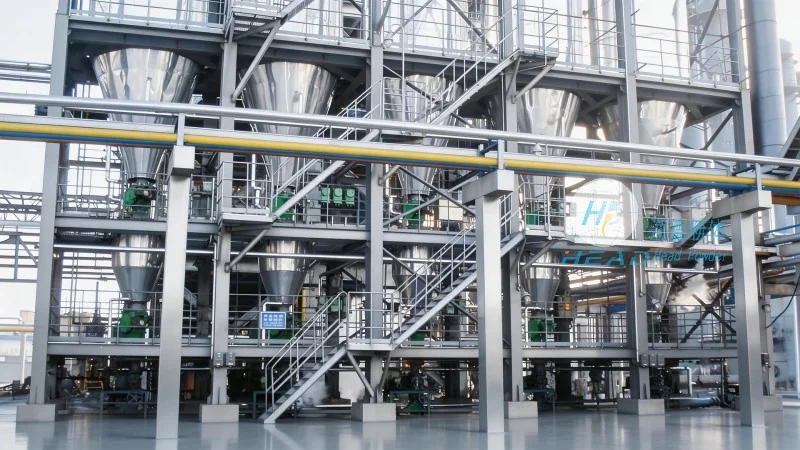
Applications of Pneumatic Conveying in Lithium Iron Carbonate Processing
Pneumatic conveying technology is widely applied in various stages of lithium iron carbonate processing, from raw material handling to final product packaging. In the raw material handling stage, pneumatic systems are used to transport LiFeCO₃ from storage silos to processing equipment, ensuring a continuous and dust-free supply. During the mixing and blending processes, pneumatic conveying facilitates the uniform distribution of LiFeCO₃ with other raw materials, such as graphite and conductive agents, which is crucial for achieving consistent battery performance. In the drying and calcination stages, dense-phase conveying is employed to transport the powder through high-temperature zones without causing particle agglomeration or loss of material. Additionally, pneumatic conveying is used in the final packaging stage to transfer LiFeCO₃ into containers, ensuring accurate dosing and preventing contamination. The technology's ability to handle fine powders with high precision makes it indispensable in the lithium battery manufacturing process.
Development Trends and Future Prospects for the Technology
The pneumatic conveying technology for lithium iron carbonate is continuously evolving to meet the growing demands of the battery industry. One key trend is the integration of advanced control systems, such as PLC (Programmable Logic Controller) and SCADA (Supervisory Control and Data Acquisition), which enable real-time monitoring and optimization of conveying parameters. This enhances process efficiency and reduces downtime. Another trend is the development of more energy-efficient systems, including the use of variable frequency drives (VFDs) to adjust air flow and pressure based on actual demand, minimizing energy consumption. Additionally, the adoption of materials with improved corrosion resistance and wear resistance is increasing, extending the lifespan of conveying equipment and reducing maintenance costs. Future prospects also include the integration of automation and robotics in material handling, further improving process reliability and safety. As the lithium battery industry continues to expand, the demand for efficient and reliable pneumatic conveying systems will remain high, driving further innovation in the field.
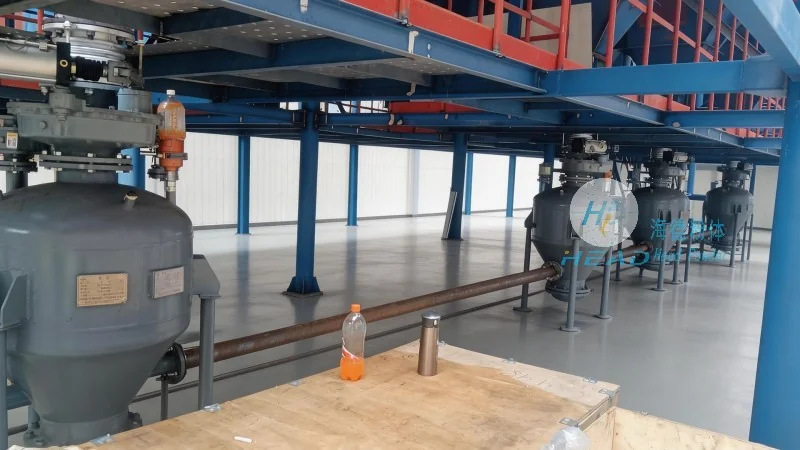
Conclusion
Pneumatic conveying technology plays a vital role in the efficient and safe handling of lithium iron carbonate, a critical component in modern lithium-ion batteries. By understanding the principles and applications of this technology, manufacturers can optimize their processes, improve product quality, and enhance operational efficiency. With ongoing advancements in control systems, energy efficiency, and material technology, the future of pneumatic conveying for lithium iron carbonate looks promising. Companies like Shandong HeadPowder Engineering Co., Ltd. are at the forefront of these developments, providing tailored solutions that meet the evolving needs of the battery industry.