

[Nitrile Rubber Pneumatic Conveying Technology: Principles, Applications, and Development Trends]
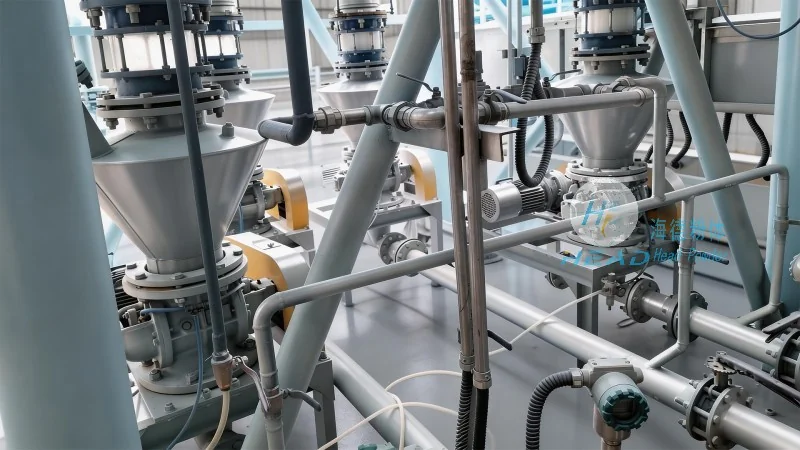
Nitrile rubber, a synthetic polymer renowned for its exceptional resistance to oil, heat, and aging, plays a critical role in various industrial sectors. Pneumatic conveying technology serves as a vital method for transporting nitrile rubber in granular or powdery forms, offering advantages such as cleanliness, efficiency, and the ability to handle materials that are difficult to transport via traditional methods. The underlying principle of this technology involves the use of air or gas as a medium to move solid particles through a pipeline. By controlling the velocity and pressure of the air flow, the system can effectively convey nitrile rubber while minimizing issues like blockages or excessive wear on components. Key components of a typical pneumatic conveying system include a feeding hopper or valve, a conveying pipeline (often made of materials like stainless steel or high-density polyethylene to withstand abrasion), a gas source (such as a centrifugal or positive displacement blower), and a receiving hopper or silo. The design of the system must consider the specific properties of nitrile rubber, including its particle size distribution, bulk density, and moisture content, to ensure optimal performance and longevity.
Principles of Nitrile Rubber Pneumatic Conveying
The principles of nitrile rubber pneumatic conveying are rooted in fluid dynamics and particle mechanics. Two primary system types are commonly used: dilute-phase and dense-phase. Dilute-phase systems operate at higher air velocities, typically moving material particles in a dispersed state, making them suitable for fine powders or granules with low bulk density. In contrast, dense-phase systems utilize lower air velocities and higher pressure to transport material in a more concentrated state, which is ideal for bulkier or more abrasive materials. For nitrile rubber, the choice between these systems depends on factors like the material's abrasiveness and the need to control dust emissions. The system's design also incorporates considerations for material flow, such as the use of bends, valves, and filters to maintain consistent and reliable transport. Additionally, the selection of pipeline materials is critical to prevent corrosion or wear caused by the nitrile rubber particles, ensuring the system's durability and efficiency over time.
Applications in Industrial Settings
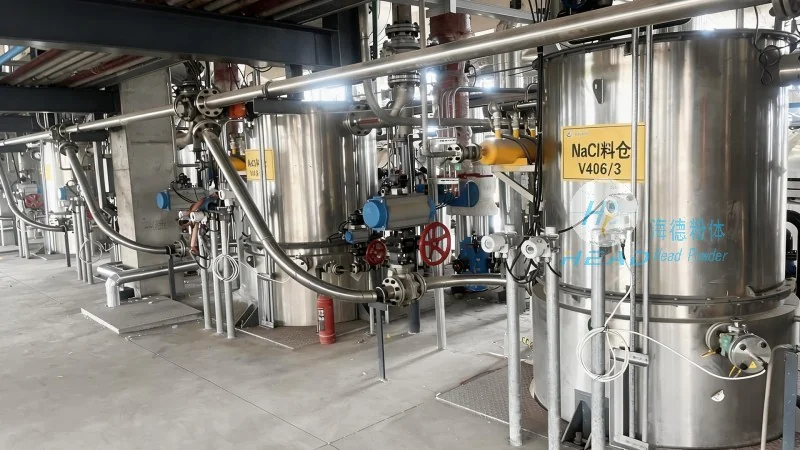
Nitrile rubber pneumatic conveying technology is widely applied in industrial settings where material handling efficiency and purity are paramount. In the rubber manufacturing industry, it is commonly employed to transport nitrile rubber granules from storage silos to processing equipment, such as mixers or extruders. This method ensures a continuous and clean supply of material, reducing downtime and improving overall production throughput. The technology is also used in chemical processing plants to convey nitrile rubber as part of composite materials or in the production of rubber compounds. Maintaining the integrity of the material during transport is crucial, as any contamination or degradation can directly impact the quality of the final product. In pharmaceutical and food processing industries, where material purity is a top priority, pneumatic conveying provides a hygienic and dust-free method for handling nitrile rubber used as a filler or additive. This ensures compliance with regulatory standards and enhances product safety.
Advancements and Future Trends
Advancements in nitrile rubber pneumatic conveying technology are driven by the need for greater efficiency, reliability, and sustainability. Modern systems often incorporate variable frequency drives (VFDs) for blowers, allowing for precise control of air flow and pressure. This not only enhances energy efficiency but also enables the system to adapt to varying production demands, reducing energy waste. The development of more durable pipeline materials, such as high-strength plastics or corrosion-resistant metals, addresses the wear and tear caused by abrasive nitrile rubber particles, extending the lifespan of the equipment. Furthermore, the integration of sensors and monitoring systems provides real-time data on system performance, enabling predictive maintenance and minimizing unexpected failures. Looking ahead, the trend towards sustainable practices is driving innovations in pneumatic conveying, with a focus on reducing energy consumption and minimizing environmental impact. Research into alternative energy sources and more efficient air compression technologies may further optimize the performance of these systems in the future.
Company Overview: Shandong HeadPowder Engineering Co., Ltd.
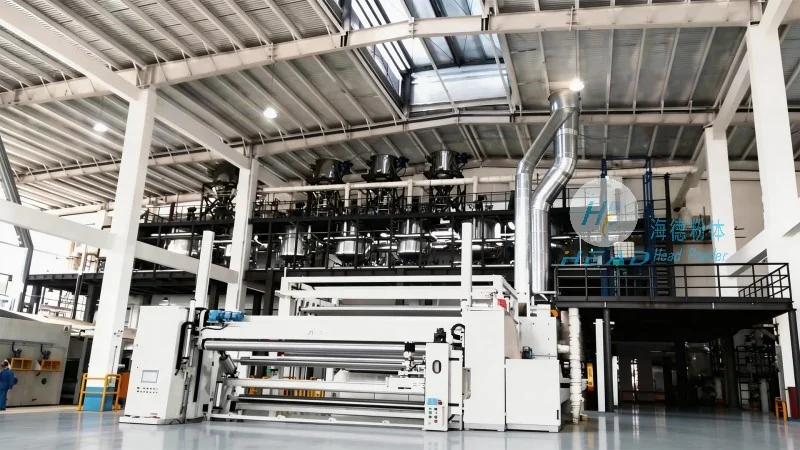
Shandong HeadPowder Engineering Co., Ltd. is a leading provider specializing in the design, manufacturing, and implementation of pneumatic conveying systems tailored for nitrile rubber and other industrial materials. With a commitment to innovation and customer-centric solutions, the company has established itself as a trusted partner in the industry. HeadPowder's expertise lies in understanding the unique challenges of handling nitrile rubber, such as its high abrasiveness and potential for dust generation, and developing customized solutions that meet the specific needs of clients. The company's facilities are located in Shandong, China, where it leverages local resources and expertise to deliver high-quality products and services. By combining advanced technology with practical experience, HeadPowder ensures that its pneumatic conveying systems are reliable, efficient, and cost-effective for industrial applications.