

Introduction to High-Pressure Pneumatic Conveying Systems: Structure and Working Principles
High-pressure pneumatic conveying systems are advanced industrial equipment designed for the efficient transport of bulk materials over long distances or within complex processing facilities. These systems utilize compressed air or other gases to move particulate materials, offering a flexible and often more hygienic alternative to traditional mechanical conveying methods such as belt conveyors or screw conveyors. The technology is widely applied in various industries, including chemical, pharmaceutical, food processing, and mining, where material handling demands precision, cleanliness, and adaptability.
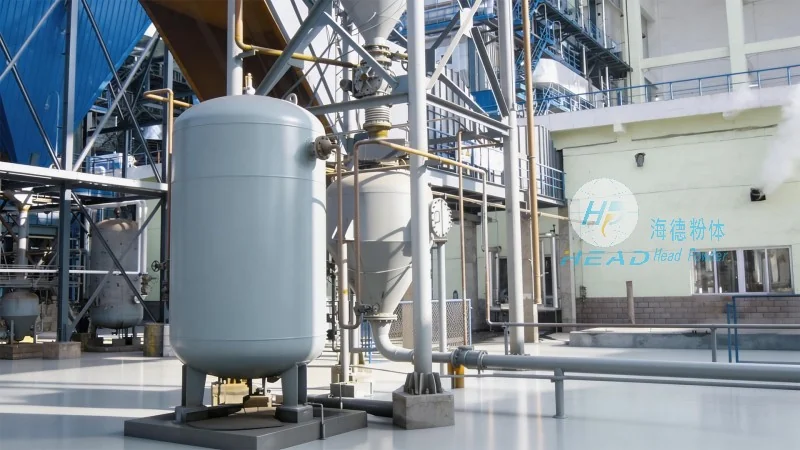
HeadPowder, a leading manufacturer in the field, specializes in the design, development, and implementation of high-pressure pneumatic conveying solutions. With a strong presence in Shandong, China, the company leverages decades of engineering expertise to deliver systems tailored to the unique requirements of each client. The company's full name is Shandong HeadPowder Engineering Co., Ltd., and its operational base is situated in the industrial hub of Shandong province, providing a strategic advantage in serving domestic and international markets.
Core Components and Structural Design of High-Pressure Pneumatic Conveying Systems
The high-pressure pneumatic conveying system consists of several critical components that work in concert to ensure reliable material transport. The primary elements include a material feeder, a high-pressure air compressor, a conveying line (often equipped with bends and straight sections), and a receiver or discharge unit. Each component is engineered to meet specific performance criteria, ensuring optimal efficiency and minimal material degradation.
The material feeder is responsible for introducing the bulk material into the system. It can be a rotary valve, a star feeder, or a pressure feeder, depending on the material's characteristics and the required flow rate. This component must be capable of maintaining a consistent feed rate to prevent blockages or fluctuations in the conveying line. The feeder is typically designed to handle a wide range of particle sizes, from fine powders to coarse granules, ensuring versatility across different applications.
The high-pressure air compressor is the heart of the system, generating the necessary air pressure to propel the material through the conveying line. These compressors are often equipped with variable speed drives or pressure control systems to adjust the air flow and pressure dynamically, adapting to changes in material load or system demands. The choice of compressor type—such as positive displacement or centrifugal—depends on factors like the required pressure, flow rate, and system size. High-pressure compressors are designed to operate efficiently at pressures ranging from 5 to 15 bar, providing the force needed to overcome resistance in the conveying line and lift the material to elevated discharge points.
The conveying line is a key structural element, typically made of stainless steel or other corrosion-resistant materials to accommodate various material types and environmental conditions. The line is often equipped with bends, elbows, and straight sections, which are strategically placed to guide the material along the desired path. The design of the line includes considerations for pressure drop, material velocity, and the prevention of particle separation or segregation. For long-distance conveying, the line may include intermediate booster stations to maintain sufficient pressure and prevent material settling or clogging.
The receiver or discharge unit is the final component, responsible for collecting the conveyed material and releasing it into the processing line or storage area. This unit is designed to handle the material's characteristics, such as moisture content or particle size, and may include features like a dust filter, a silo, or a discharge valve. The receiver is often equipped with a pressure relief valve to prevent over-pressurization and ensure safe operation. The design of the discharge unit is critical to prevent material buildup or blockages, which can lead to system downtime or equipment damage.
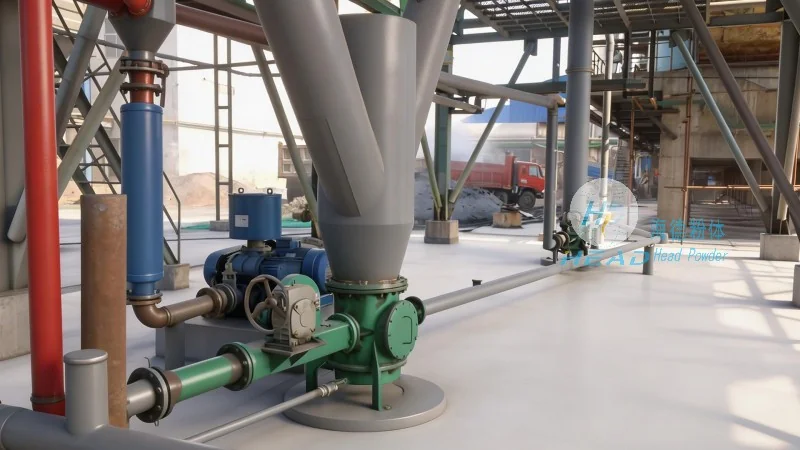
Working Principles and Operational Mechanics
The operation of a high-pressure pneumatic conveying system is based on the principle of air pressure and material suspension. When the material feeder introduces the bulk material into the system, it is mixed with the high-pressure air from the compressor. The air flow creates a low-pressure zone within the conveying line, which draws the material particles into the air stream. The material is then suspended in the air and propelled through the line by the pressure differential between the compressor and the receiver.
The material's velocity within the conveying line is a critical factor in system performance. It must be high enough to keep the particles suspended and prevent settling, but not so high as to cause excessive wear on the equipment or material degradation. The velocity is typically maintained between 20 to 30 meters per second, depending on the material's density and particle size. The system's design ensures that the material remains in a fluidized state, minimizing the risk of clogging or blockages.
The pressure drop along the conveying line is another important aspect of the system's operation. As the material travels through the line, friction between the particles and the pipe walls, as well as between the particles themselves, causes a gradual decrease in pressure. The compressor must maintain sufficient pressure to overcome this drop and ensure the material reaches the receiver. The design of the line, including the use of smooth pipes and minimal bends, helps to minimize pressure loss and improve overall system efficiency.
The system's control system plays a vital role in maintaining optimal operation. It monitors parameters such as air pressure, material flow rate, and system temperature, and adjusts the compressor speed or feed rate as needed to maintain stable performance. The control system may also include safety features, such as pressure relief valves and emergency shut-off mechanisms, to prevent accidents and protect the equipment from damage.
Advantages and Applications of High-Pressure Pneumatic Conveying Systems
High-pressure pneumatic conveying systems offer several advantages over traditional mechanical conveying methods. One of the primary benefits is the ability to transport materials over long distances without the need for multiple transfer points or intermediate storage. This reduces the overall system footprint and simplifies the material handling process. Additionally, the system is highly flexible, allowing for changes in the conveying path or material type without significant modifications to the equipment.
The hygienic design of high-pressure systems is particularly beneficial in industries such as food and pharmaceuticals, where contamination control is critical. The use of stainless steel components and sealed systems prevents the ingress of contaminants and ensures that the material remains clean throughout the conveying process. This is in contrast to mechanical conveyors, which may have moving parts that can introduce dust or debris into the material stream.
The system's ability to handle a wide range of materials, from fine powders to coarse granules, makes it suitable for diverse applications. In the chemical industry, high-pressure systems are used to transport raw materials and finished products, such as powders and granules. In the pharmaceutical industry, they are used to convey active ingredients and excipients, ensuring that the materials remain sterile and free from contamination. In the food processing industry, they are used to transport ingredients like flour, sugar, and spices, maintaining the quality and safety of the products.
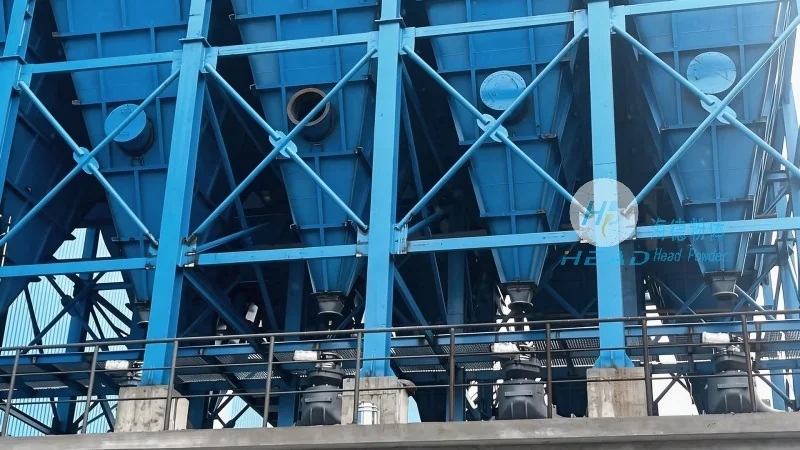
Another advantage of high-pressure pneumatic conveying is the reduced risk of material degradation. Unlike mechanical conveyors, which may cause abrasion or compression of the material, the pneumatic system uses air to move the particles, minimizing physical stress. This is particularly important for sensitive materials, such as pharmaceuticals or food products, where degradation can affect their quality and efficacy.
HeadPowder's high-pressure pneumatic conveying systems are designed to meet the specific needs of each application. The company's engineers work closely with clients to understand their material characteristics, conveying requirements, and operational constraints, and then develop a customized system that maximizes efficiency and reliability. The systems are built to withstand the demands of continuous operation and are equipped with maintenance-friendly features to minimize downtime and operational costs.
Maintenance and Operational Considerations
Proper maintenance is essential to ensure the long-term performance and reliability of high-pressure pneumatic conveying systems. Regular inspections and maintenance procedures help to identify and address potential issues before they lead to system failures or material loss. The key maintenance tasks include checking the compressor for wear and tear, inspecting the conveying line for leaks or blockages, and cleaning the receiver and feeder components.
The compressor is a critical component that requires regular maintenance to ensure optimal performance. This includes checking the air filter, oil levels, and compressor bearings. The air filter must be replaced regularly to prevent dust and debris from entering the compressor and causing damage. The oil levels should be checked and topped up as needed to ensure proper lubrication of the moving parts. The compressor bearings should be inspected for wear and replaced if necessary to prevent excessive vibration or noise.
The conveying line also requires regular maintenance to prevent leaks or blockages. Leaks in the line can cause pressure loss and reduce the system's efficiency, while blockages can lead to system downtime and equipment damage. Regular inspections of the line for cracks, corrosion, or damage are necessary to ensure its integrity. The line should also be cleaned periodically to remove any accumulated material or debris that could cause blockages.
The receiver and discharge unit require maintenance to ensure proper material handling and prevent buildup. The receiver should be checked for leaks and cleaned regularly to prevent material accumulation. The discharge valve should be inspected for proper operation and replaced if necessary to ensure smooth material discharge. The dust filter, if present, should be cleaned or replaced as needed to maintain air quality and prevent clogging.