

[Pneumatic Conveying of Lithium-Ion Battery Cathode Materials: An Introduction to Structure and Prin
HeadPowder, a leading engineering company based in Shandong, China, specializes in advanced material handling solutions tailored for the lithium-ion battery industry. This article provides an overview of pneumatic conveying systems designed for lithium-ion battery cathode materials, detailing their structural components and operational principles to enhance understanding of this critical technology in battery manufacturing.
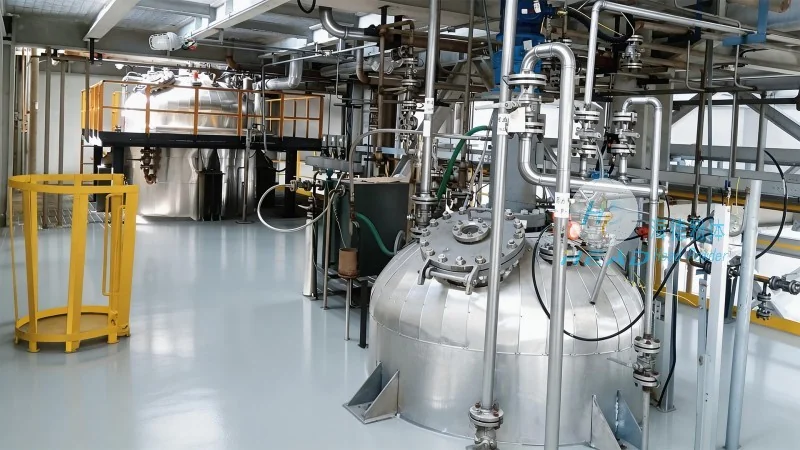
Understanding Pneumatic Conveying for Lithium-Ion Battery Cathode Materials
Pneumatic conveying is a vital process in the production of lithium-ion batteries, enabling the efficient and safe transport of cathode powders—such as lithium cobalt oxide (LCO), lithium nickel manganese cobalt oxide (NMC), and lithium iron phosphate (LFP)—from storage to processing units. These materials are often fine powders with specific particle sizes and moisture content, requiring specialized equipment to maintain product integrity and prevent contamination. The headpowder engineering team has developed innovative pneumatic conveying systems that address the unique challenges of handling these reactive and sensitive materials.
Structural Components of Pneumatic Conveying Systems
The core structure of a pneumatic conveying system for lithium-ion battery cathode materials includes several key components that work in tandem to ensure reliable material transport. The system typically consists of a hopper or storage bin, a feeding mechanism (such as a rotary valve or screw feeder), a conveying line (either positive or negative pressure), and a receiver or discharge unit. Each component is designed to handle the specific properties of the cathode powders, minimizing particle degradation and ensuring consistent flow rates.
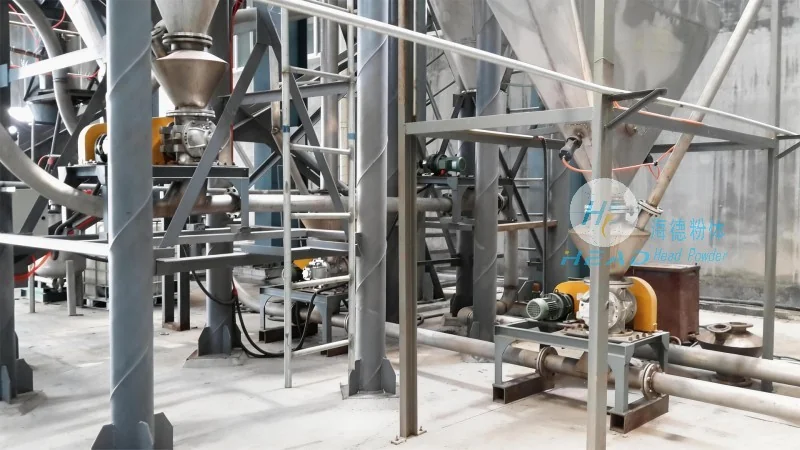
For positive pressure systems, a blower or compressor generates air pressure that pushes the material through the pipeline. The pipeline is often equipped with bends, elbows, and expansion joints to accommodate changes in direction and prevent blockages. In contrast, negative pressure systems use a vacuum to draw material from the source into the line. The choice between positive and negative pressure depends on factors like material characteristics, system length, and required flow rates. HeadPowder’s engineers have optimized these components to maximize efficiency while maintaining the purity of the cathode materials.
Operational Principles and Advantages
The operational principle of pneumatic conveying involves creating a flow of air that entrains the cathode powder particles, carrying them through the pipeline to the destination. The velocity of the air and the particle size distribution are critical factors that determine the system’s performance. Proper design ensures that the air velocity is sufficient to keep the particles suspended without causing excessive wear on the equipment. This method offers several advantages over traditional mechanical conveying, including reduced risk of material contamination, lower energy consumption, and the ability to transport materials over long distances without the need for intermediate storage.
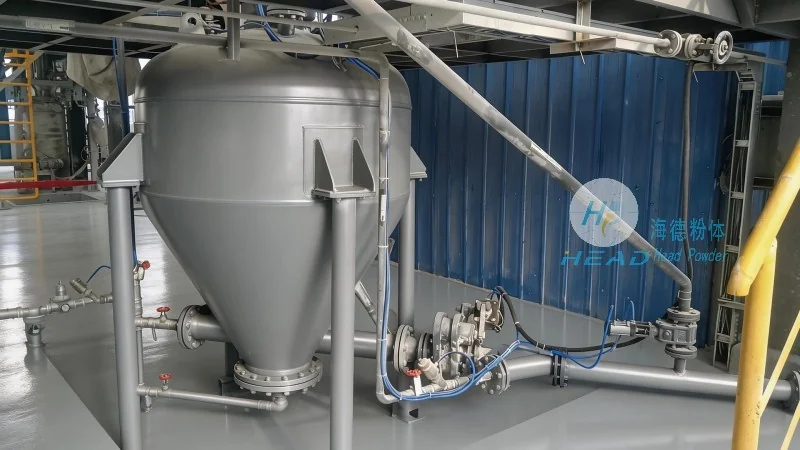
Additionally, pneumatic conveying systems can be integrated with other processing equipment, such as mixers and extruders, to form a seamless production line. This integration enhances overall productivity and reduces downtime. HeadPowder’s expertise in material handling has enabled the development of customized systems that meet the specific needs of battery manufacturers, ensuring that cathode materials are handled with precision and care from the initial storage stage to the final processing step.
Conclusion
Pneumatic conveying is a cornerstone technology in the lithium-ion battery industry, and the structural principles and operational efficiency of these systems directly impact the quality and consistency of battery production. Shandong HeadPowder Engineering Co., Ltd. continues to innovate in this field, providing advanced solutions that enhance the performance of cathode material handling processes. By understanding the components and principles of pneumatic conveying, manufacturers can optimize their production lines and improve overall operational efficiency.