

Introduction to the Structure and Principle of Air-Flow Transport for Calcined Sand
Calcined sand is a critical material in numerous industrial applications, and its efficient transportation is essential for maintaining production efficiency and safety standards. Air-flow transport, commonly known as pneumatic conveying, has become a preferred method for handling calcined sand due to its ability to minimize dust, enhance process control, and reduce operational hazards. This article provides a detailed overview of the structural design and operational principles of air-flow transport systems tailored for calcined sand, highlighting key components and their functional roles.
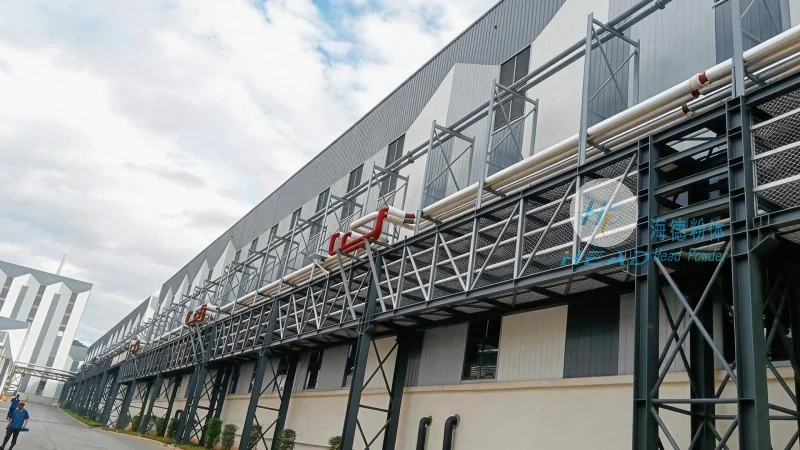
Overview of Air-Flow Transport Systems for Calcined Sand
The air-flow transport system for calcined sand is engineered to move the material through a pipeline using a combination of air pressure and velocity. These systems are specifically designed to accommodate the unique properties of calcined sand, which can vary based on the source and processing conditions. The primary objective is to achieve reliable, continuous material transfer while optimizing energy usage and minimizing maintenance requirements.
Core Components and Their Functions
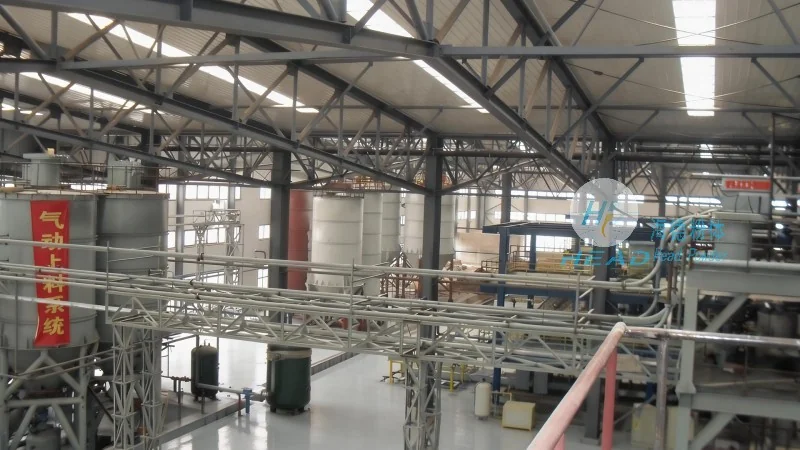
The air-flow transport system comprises several critical components that work in unison to facilitate material movement. These components include the material feed mechanism, the conveying pipeline, the air supply unit, and the control systems. Each component is meticulously designed to ensure seamless operation and adaptability to the demands of calcined sand handling.
Material Feed System
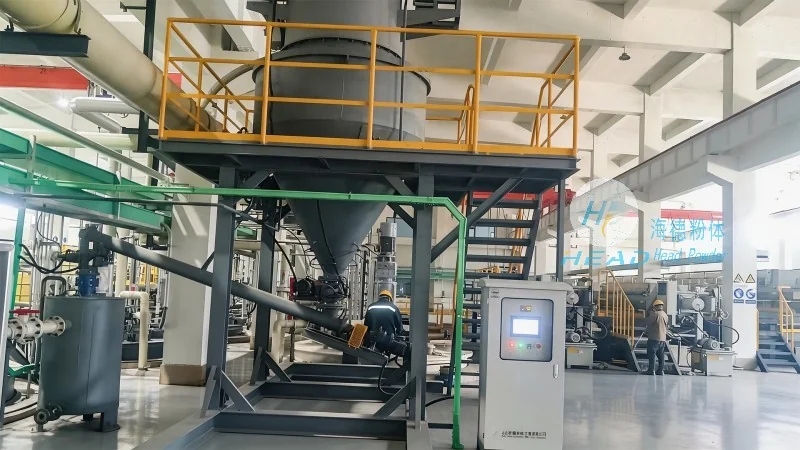
The material feed system is responsible for introducing calcined sand into the conveying pipeline. This component typically features a hopper or a feeder that ensures a consistent and controlled flow of the material. The design of the feeder is crucial to prevent blockages and maintain smooth material introduction. In many systems, a rotary valve or a screw feeder is employed to regulate the feed rate, directly impacting the overall conveying efficiency. The feed system is often equipped with level sensors to monitor material availability and adjust the feed rate automatically.
Conveying Pipeline
The conveying pipeline serves as the central pathway for transporting calcined sand along with the air. The pipeline is constructed from materials capable of withstanding the abrasive nature of calcined sand, such as stainless steel or high-density polyethylene. The diameter and length of the pipeline are carefully selected based on the material's characteristics and the required conveying distance. The pipeline may incorporate bends and fittings that are engineered to minimize pressure losses and maintain the flow of both air and material. The use of smooth, internal surfaces reduces friction and ensures efficient material transport.
Air Supply Unit
The air supply unit provides the necessary pressure and volume of air to move the calcined sand through the pipeline. This unit generally consists of a blower or a compressor that generates the required airflow. The air is introduced into the pipeline at a specific point, often near the material feed inlet. The pressure and velocity of the air are critical parameters that determine the conveying capacity and system efficiency. Proper air supply management is essential to avoid excessive energy consumption and to ensure consistent material transport. Variable frequency drives (VFDs) are commonly used to adjust the air flow rate in response to changing material loads.
Control Mechanisms
Control mechanisms are integral to the air-flow transport system, enabling real-time monitoring and adjustment of the conveying process. These mechanisms may include pressure sensors, flow meters, and control valves that regulate the air pressure and flow rate. By monitoring key parameters such as pressure, flow rate, and material level, operators can optimize system performance and prevent potential issues like blockages or air leaks. The control system may also include alarms and safety interlocks to ensure operational safety and compliance with regulations.
Operational Principles
The operational principle of air-flow transport for calcined sand is based on the interaction between the material particles and the air flow. The air, moving at a sufficient velocity, lifts and carries the calcined sand particles through the pipeline. The key is to maintain a consistent air velocity that is higher than the terminal velocity of the sand particles, ensuring that the material remains suspended and transported efficiently. The system operates under either positive pressure or negative pressure, depending on the specific application and the desired flow direction. Positive pressure systems are commonly used for long-distance conveying, while negative pressure systems are suitable for short-distance or dust collection applications.
Advantages of Air-Flow Transport for Calcined Sand
Implementing air-flow transport systems for calcined sand offers several advantages over traditional material handling methods like belt conveyors or bucket elevators. One of the primary benefits is the reduction of dust generation, which enhances workplace safety and compliance with environmental regulations. Additionally, the enclosed system prevents material loss and contamination, which is crucial for maintaining product quality. The compact design of pneumatic conveying systems also saves space in industrial facilities, making them suitable for applications with limited floor space. Furthermore, air-flow systems can handle a wide range of material sizes and moisture content, providing flexibility in material handling.
Applications in Industrial Processes
Air-flow transport systems for calcined sand are widely utilized in various industrial sectors, including foundries, refractory production, and chemical processing. In foundries, calcined sand is used as a refractory material, and the efficient transport of this material is essential for maintaining the quality of the final products. In refractory production, the material is used to create molds and other components, and the air-flow system ensures that the sand is delivered to the production line without any interruptions. In chemical processing, calcined sand may be used as a filler or a catalyst support, and the reliable transport of this material is critical for the overall process efficiency. The systems are also employed in mining and mineral processing industries where calcined sand is a byproduct or a raw material.
Maintenance and Operational Considerations
To ensure the long-term performance and reliability of air-flow transport systems for calcined sand, regular maintenance is essential. This includes checking the condition of the pipeline, inspecting the air supply unit, and cleaning the material feed system. Additionally, operators should monitor the system performance regularly to identify any potential issues before they become major problems. Proper training of personnel on the operation and maintenance of the system is also crucial to maximize its lifespan and efficiency. The use of wear-resistant materials and regular replacement of components such as seals and bearings can extend the system's operational life.
Conclusion
Air-flow transport systems for calcined sand represent a sophisticated and efficient technology for material handling in industrial applications. By understanding the structural design and operational principles of these systems, manufacturers can optimize their processes and improve overall productivity. The integration of advanced control mechanisms and robust components ensures that the system operates reliably, even under challenging conditions. As industrial demands continue to evolve, the importance of efficient material transport will only increase, making air-flow transport a key technology for the future of calcined sand handling. The systems not only enhance operational efficiency but also contribute to a safer and more sustainable industrial environment.