

Introduction to Dolomite Pneumatic Conveying: Structure and Working Principles
HeadPowder, a leading engineering firm based in Shandong, China, specializes in the design and implementation of advanced pneumatic conveying systems tailored for industrial applications. This article provides an in-depth overview of dolomite pneumatic conveying, focusing on its structural design and operational principles, while highlighting the expertise of Shandong HeadPowder Engineering Co., Ltd. in delivering efficient material handling solutions.
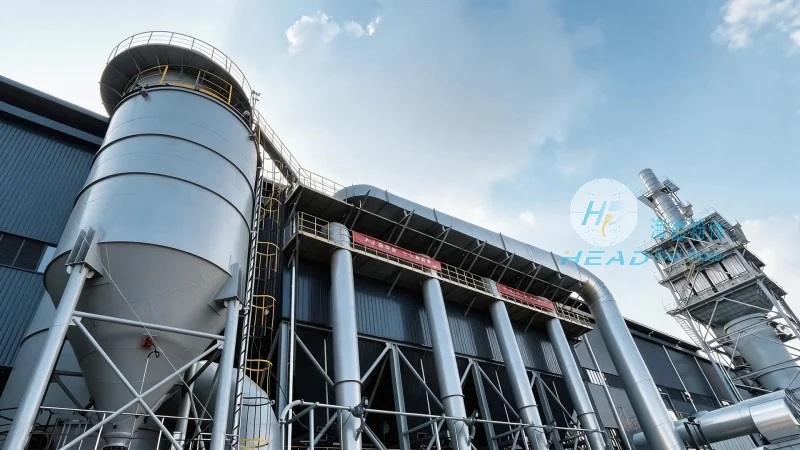
Understanding Dolomite Pneumatic Conveying Systems
Dolomite, a calcium magnesium carbonate mineral, is widely used in various industrial processes, including steel production, glass manufacturing, and chemical synthesis. Traditional material handling methods for dolomite often involve complex and costly equipment, such as belt conveyors or bucket elevators, which may lead to material degradation, high maintenance costs, and operational inefficiencies. Pneumatic conveying offers a more effective solution by transporting dolomite particles through a pipeline using compressed air, eliminating the need for mechanical components that can cause wear and tear.
Key Structural Components of Dolomite Pneumatic Conveying Systems
The core components of a dolomite pneumatic conveying system include the material hopper, feeder, conveying line, and discharge unit. The material hopper is designed to store dolomite and feed it into the system at a controlled rate, preventing blockages and ensuring consistent flow. The feeder, typically a rotary valve or a screw feeder, regulates the quantity of dolomite entering the conveying line, maintaining optimal air-to-material ratios for efficient transport. The conveying line, made of durable materials like stainless steel or polyethylene, is equipped with bends, expansion joints, and filters to handle the abrasive nature of dolomite particles and prevent system blockages. The discharge unit, often a cyclone separator or a rotary valve, separates the dolomite from the air stream, allowing for clean material collection and air recycling.
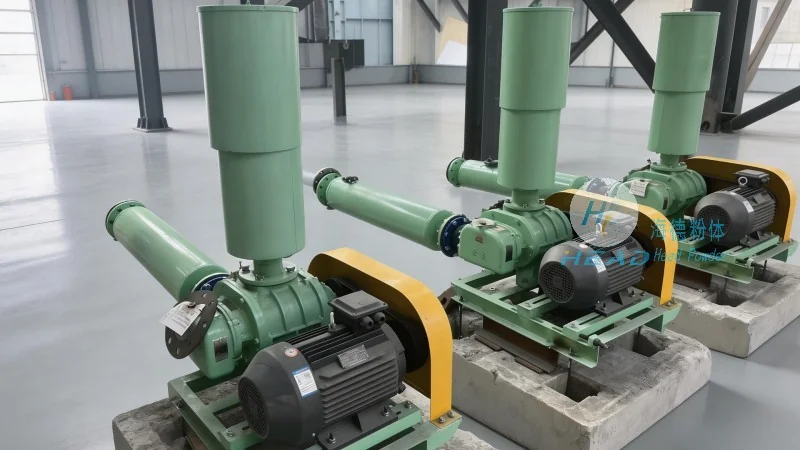
Working Principles of Dolomite Pneumatic Conveying
The operation of a dolomite pneumatic conveying system relies on the principle of fluidization and drag. Compressed air is introduced into the conveying line at a specific pressure and velocity, creating a flow that lifts and transports the dolomite particles. The air velocity must be sufficient to overcome the gravitational force acting on the particles but not so high as to cause excessive wear on the system components. The system typically operates in either a dilute-phase or dense-phase mode, depending on the material characteristics and required transport distance. In dilute-phase conveying, the air-to-material ratio is high, resulting in a fast, low-pressure system suitable for short distances. In dense-phase conveying, the air-to-material ratio is lower, producing a slower, high-pressure system ideal for long-distance transport and preventing material degradation.
Advantages of Using Pneumatic Conveying for Dolomite Handling
Compared to traditional material handling methods, dolomite pneumatic conveying offers several advantages. First, it eliminates the need for mechanical components, reducing maintenance costs and minimizing the risk of equipment failure. Second, the system is highly flexible, allowing for easy integration with existing industrial processes and adaptation to varying material flow rates. Third, pneumatic conveying provides a clean and dust-free environment, which is crucial for industries where product purity is essential. Fourth, the system can handle a wide range of particle sizes and shapes, making it suitable for diverse dolomite applications. Finally, the energy efficiency of pneumatic conveying systems, especially when optimized for air usage, contributes to lower operational costs and reduced environmental impact.
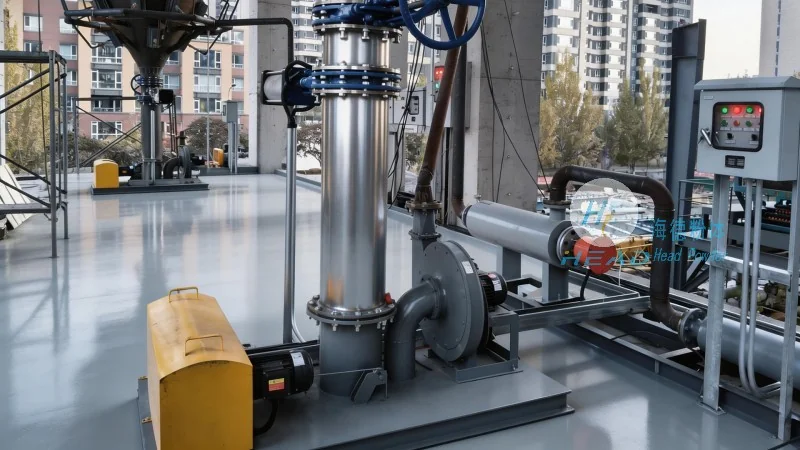
HeadPowder's Expertise in Dolomite Pneumatic Conveying Solutions
Shandong HeadPowder Engineering Co., Ltd. has established itself as a trusted provider of dolomite pneumatic conveying systems, leveraging years of experience and technical expertise to deliver customized solutions for clients. The company's engineering team works closely with clients to understand their specific material handling requirements, process constraints, and operational goals, ensuring that the designed system meets all performance and safety standards. HeadPowder utilizes advanced design software and simulation tools to optimize system performance, minimize energy consumption, and enhance overall efficiency. The company's commitment to quality is reflected in its adherence to international standards and rigorous testing protocols, ensuring that each dolomite pneumatic conveying system is reliable, durable, and cost-effective.
Conclusion
Dolomite pneumatic conveying represents a modern and efficient approach to handling this important industrial material. By understanding the structural components and working principles of such systems, industries can make informed decisions about adopting pneumatic conveying as a primary material transport method. With the expertise of companies like Shandong HeadPowder Engineering Co., Ltd., the implementation of dolomite pneumatic conveying systems has become more accessible and effective, contributing to improved operational efficiency and reduced costs in various industrial sectors.