

Introduction to Desulfurizer Pneumatic Conveying and Structural Principles
Desulfurizer pneumatic conveying systems are critical components in modern industrial processes, particularly in power plants and chemical facilities where sulfur removal is essential for environmental compliance and operational efficiency. This article provides an overview of the technology, focusing on the structural design and operational principles that enable effective desulfurizer material transport. The content is presented by Shandong HeadPowder Engineering Co., Ltd., a leading provider of specialized engineering solutions in China.
Understanding Desulfurizer Pneumatic Conveying Systems
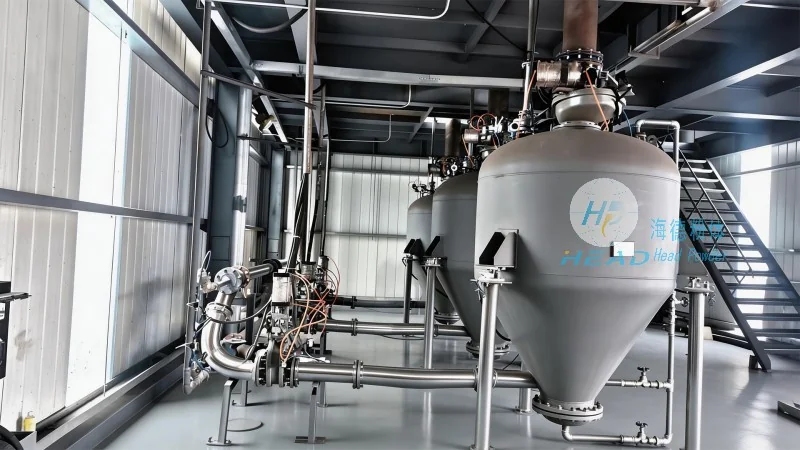
At the core of desulfurizer pneumatic conveying is the ability to transport powdered desulfurizer materials—such as limestone or other alkaline compounds—through a pipeline using air or other gas streams. This method offers several advantages over traditional mechanical conveying, including reduced equipment wear, lower energy consumption, and enhanced safety by eliminating the need for moving parts in hazardous environments. The system typically consists of a feeding unit, a conveying pipeline, a separation or collection device, and a control system, all working in tandem to ensure reliable material transport.
Key Structural Components and Their Functions
The structural design of a desulfurizer pneumatic conveying system is tailored to handle the specific properties of desulfurizer powders, which often include high moisture content, abrasive characteristics, and varying particle sizes. Key components include:
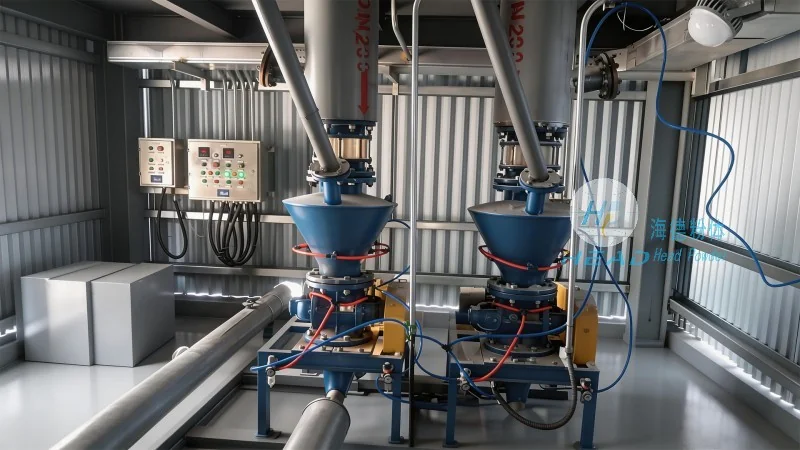
1. Feeding Unit: This component is responsible for introducing the desulfurizer powder into the conveying system. It may include a hopper, a rotary valve, or a screw feeder, which ensures a consistent and controlled flow of material into the pipeline. The design of the feeding unit is critical to prevent blockages and maintain system efficiency.
2. Pneumatic Conveying Pipeline: The pipeline is the main channel through which the desulfurizer powder is transported. It is usually made of corrosion-resistant materials such as stainless steel or plastic to withstand the chemical properties of the desulfurizer and the abrasive nature of the particles. The pipeline may include bends, elbows, or expansion joints to accommodate changes in direction or elevation, minimizing pressure losses and ensuring smooth material flow.
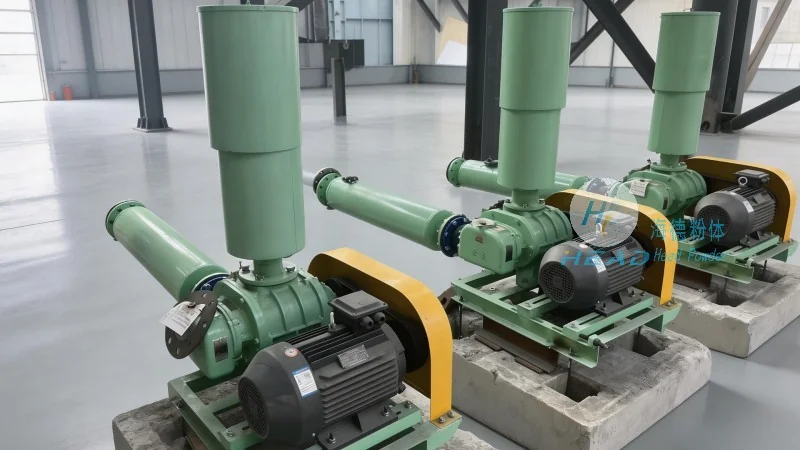
3. Conveying Air System: Compressed air or other gas is used to create the necessary airflow within the pipeline. The air system includes a blower or compressor, a filter to remove contaminants, and a pressure regulator to maintain consistent pressure. The air velocity is carefully controlled to ensure that the desulfurizer particles are suspended and transported without settling or causing blockages.
4. Separation and Collection Device: At the end of the conveying pipeline, the desulfurizer powder is separated from the air stream. This is typically achieved using a cyclone separator or a baghouse filter. The separated powder is then collected in a storage bin or directly fed into the desulfurization reactor. The design of this component is crucial for minimizing dust emissions and ensuring compliance with environmental regulations.
Operational Principles and Efficiency Factors
The effectiveness of a desulfurizer pneumatic conveying system depends on several operational factors, including air velocity, particle size distribution, and system pressure. Proper air velocity is essential to maintain particle suspension; too low a velocity can cause the powder to settle and block the pipeline, while too high a velocity can increase energy consumption and cause wear on the system components.
Particle size distribution is another critical factor. Coarser particles require higher air velocities to remain suspended, while finer particles may settle more easily. The system design must account for these variations to ensure consistent performance. Additionally, system pressure and the length of the pipeline affect the overall efficiency, as higher pressures and longer distances increase energy requirements.
Advantages of Pneumatic Conveying for Desulfurizer Transport
Compared to mechanical conveying methods, pneumatic conveying offers several advantages for desulfurizer transport:
- Reduced Equipment Wear: Since there are no moving parts in contact with the powder, the system experiences less wear and tear, leading to lower maintenance costs and longer equipment life.
- Lower Energy Consumption: While initial setup costs may be higher, the operational energy consumption of pneumatic systems is often lower than that of mechanical systems, especially for long-distance or high-volume transport.

- Enhanced Safety: The absence of moving parts reduces the risk of accidents and exposure to hazardous materials, improving workplace safety.
- Flexibility: Pneumatic systems can be easily modified or expanded to accommodate changes in production requirements or facility layout.
Applications and Industry Impact
Desulfurizer pneumatic conveying systems are widely used in power plants, chemical manufacturing facilities, and other industrial settings where sulfur removal is a key process. The technology enables efficient transport of desulfurizer materials from storage to the desulfurization reactor, ensuring consistent and reliable operation of the overall system. By improving the efficiency of material handling, these systems contribute to reduced operational costs and enhanced environmental performance.
About Shandong HeadPowder Engineering Co., Ltd.
Shandong HeadPowder Engineering Co., Ltd., operating under the brand name headpowder, is a professional engineering company based in Shandong, China. With years of experience in the field, the company specializes in the design, manufacturing, and installation of pneumatic conveying systems for various industrial applications. The company's commitment to quality, innovation, and customer satisfaction has made it a trusted partner for clients seeking reliable and efficient desulfurizer transport solutions.