

Introduction to PVC Particle Pneumatic Conveying: Structure and Working Principles
For industrial applications involving the handling of PVC particles, pneumatic conveying systems offer an efficient and reliable method for material transport. This overview will explore the fundamental structure and operational principles of PVC particle pneumatic conveying, highlighting key components and the mechanics behind this technology.
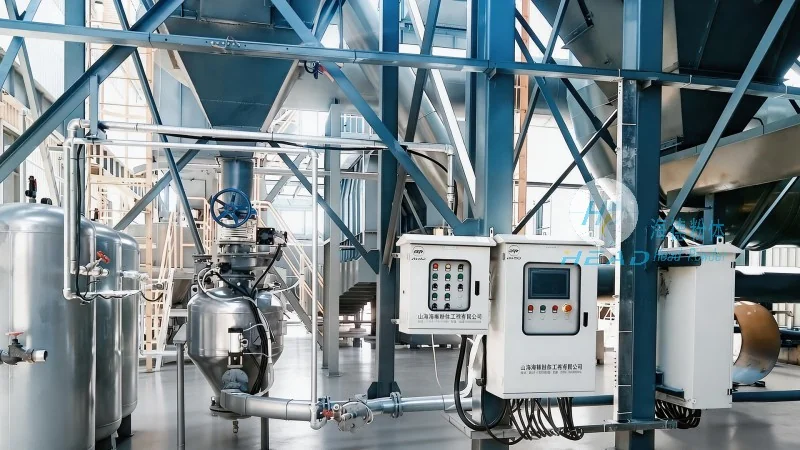
Key Components of Pneumatic Conveying Systems
The pneumatic conveying system for PVC particles typically consists of several critical components that work in tandem to facilitate material movement. These include the material feed hopper, which stores and regulates the flow of PVC particles; the air supply system, which generates the necessary pressure or vacuum to move the particles; the conveying line, which can be either a rigid pipe or flexible hose; and the discharge unit, which delivers the PVC particles to the destination. Additionally, control valves and sensors are integrated to monitor and adjust the system's performance, ensuring optimal operation and preventing issues such as blockages or pressure fluctuations.
Working Principle of PVC Particle Pneumatic Conveying
The operation of a PVC particle pneumatic conveying system relies on the principles of fluid dynamics and particle motion. In a typical system, the PVC particles are introduced into the conveying line from the feed hopper. Simultaneously, a stream of air is supplied to the line, creating a flow that can be either positive pressure (where air pushes the particles forward) or negative pressure (where air is drawn through the line, pulling particles along). The choice between these modes depends on the specific application and the characteristics of the PVC particles, such as size, density, and moisture content. As the air flows through the conveying line, it lifts and propels the PVC particles, maintaining them in suspension until they reach the discharge point. The system's design, including the diameter and length of the conveying line, as well as the air velocity, is carefully engineered to ensure that the particles remain entrained and do not settle prematurely, which could lead to system inefficiencies or blockages.
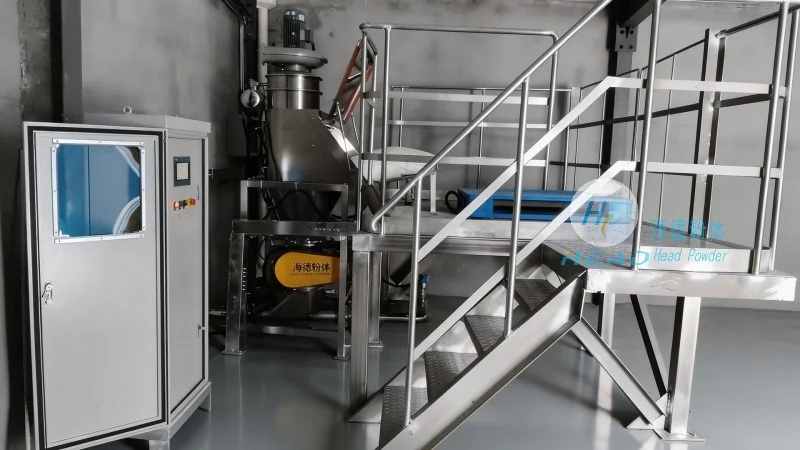
Advantages of Pneumatic Conveying for PVC Particles
Implementing a pneumatic conveying system for PVC particles offers several advantages over traditional methods like belt conveyors or bucket elevators. One of the primary benefits is the ability to handle PVC particles in a closed system, which minimizes dust emissions and improves workplace safety. This is particularly important for PVC, as it can generate fine particles that are hazardous if inhaled. Additionally, pneumatic conveying systems are more flexible in terms of layout, allowing for vertical and horizontal transport in a single line, which can reduce the overall footprint of the facility. The technology also enables faster and more consistent material transfer, as it can handle varying particle sizes and flow rates without significant performance degradation. Furthermore, the system's ability to maintain a controlled environment, such as temperature and humidity, is beneficial for PVC particles that are sensitive to changes in these conditions.
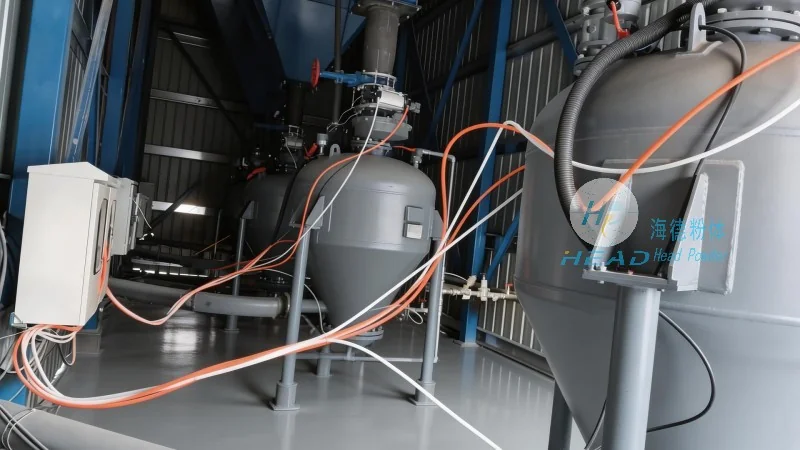
Applications and Considerations for PVC Particle Pneumatic Conveying
PVC particle pneumatic conveying is widely used in various industrial sectors, including manufacturing, processing, and packaging. Common applications include transporting PVC resin from storage silos to processing lines, moving finished PVC products from production areas to storage or shipping facilities, and handling PVC additives or colorants in the formulation process. When selecting a pneumatic conveying system for PVC particles, several factors must be considered to ensure optimal performance. These include the particle size distribution, as larger particles may require higher air velocities to remain suspended; the moisture content of the PVC, as excessive moisture can lead to clumping and blockages; and the system's capacity, which must be matched to the production rate of the facility. Proper maintenance of the system, including regular cleaning of the conveying line and inspection of components, is also crucial to prevent wear and tear and maintain efficiency.
About Shandong HeadPowder Engineering Co., Ltd.
Shandong HeadPowder Engineering Co., Ltd., operating under the brand name headpowder, is a leading provider of pneumatic conveying solutions tailored to the needs of industries handling PVC particles. With a focus on innovation and quality, the company designs and manufactures customized pneumatic conveying systems that meet the specific requirements of its clients. Headpowder's expertise lies in understanding the unique challenges associated with PVC particle transport and developing solutions that enhance efficiency, safety, and reliability. The company's commitment to customer satisfaction and technological advancement has established it as a trusted partner in the industry, offering comprehensive support from system design and installation to ongoing maintenance and technical assistance.