

Introduction to Carbon Black Pneumatic Conveying: Structure and Principle Explanation
Carbon black is a critical material in various industrial applications, and efficient handling of this fine powder is essential for maintaining production efficiency and product quality. Pneumatic conveying systems offer a reliable solution for transporting carbon black from storage to processing units. This article provides an overview of carbon black pneumatic conveying systems, focusing on their structural components and operational principles.
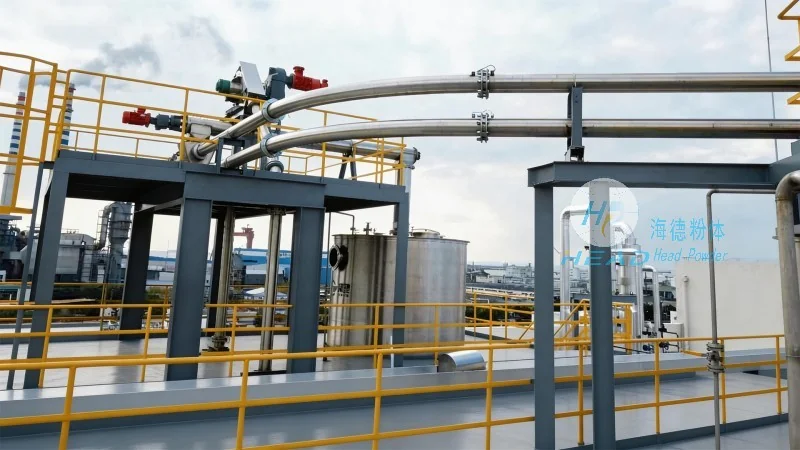
Company Profile: Shandong HeadPowder Engineering Co., Ltd.
HeadPowder, a leading provider in the field, specializes in engineering and manufacturing advanced pneumatic conveying solutions tailored to the needs of carbon black handling. With a strong presence in China, particularly in Shandong province, the company leverages its expertise to deliver robust and efficient systems that meet industry standards. The company's commitment to quality and innovation ensures that clients receive equipment that enhances operational performance and reduces downtime.
Understanding Carbon Black Pneumatic Conveying
Pneumatic conveying, also known as air conveying, is a method of transporting bulk materials like carbon black using a stream of pressurized or vacuum air. This technique eliminates the need for mechanical components such as belts or buckets, making it ideal for handling fine powders that are prone to dust and clogging in traditional systems. The process involves moving the material through a pipeline by creating a pressure differential that propels the powder along with the air flow.
Structural Components of a Carbon Black Pneumatic Conveying System
A typical carbon black pneumatic conveying system comprises several key components, each playing a vital role in the overall operation. The primary components include:
1. Feeding Unit: This component is responsible for introducing carbon black from storage silos or hoppers into the conveying system. It may include a rotary valve or a feeder that controls the flow rate and ensures a consistent feed to the pipeline. The feeding unit is designed to handle the fine nature of carbon black, preventing blockages and maintaining a steady supply.
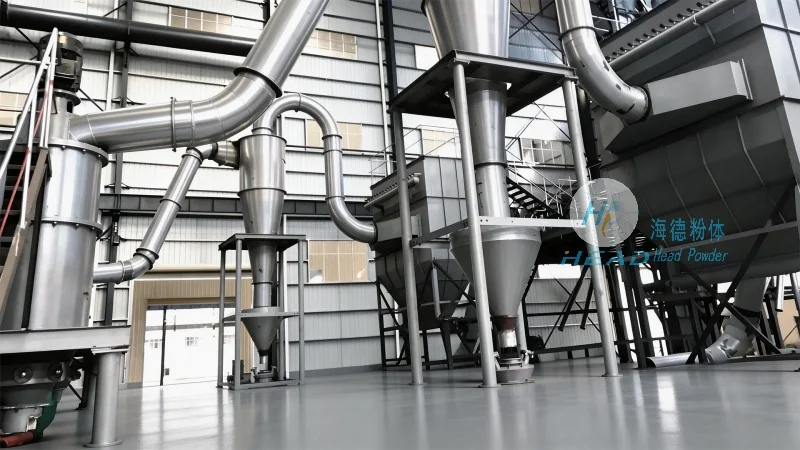
2. Pneumatic Conveying Pipe: The pipeline serves as the main pathway for transporting carbon black. It is typically made of materials such as stainless steel or plastic, chosen for their resistance to corrosion and abrasion from the fine powder. The pipe diameter and length are carefully selected based on the material's properties and the required conveying distance. The design may include bends and fittings that minimize pressure loss and maintain the flow of air and powder.
3. Pressure or Vacuum System: This component generates the necessary air flow to move the carbon black. In a pressure system, air is compressed and introduced at the inlet of the pipeline, pushing the material forward. In a vacuum system, a vacuum pump creates a negative pressure that draws the material from the source. The choice between pressure and vacuum depends on factors like the distance to be covered and the material's characteristics.
4. Separation and Collection Unit: At the receiving end of the pipeline, the carbon black is separated from the air stream. This unit may include a cyclone separator or a bag filter, which captures the powder and returns it to the processing line while allowing the air to be discharged or recycled. The separation efficiency is crucial to prevent dust emissions and maintain a clean working environment.
Operational Principles of Carbon Black Pneumatic Conveying
The core principle of pneumatic conveying is the interaction between the air flow and the carbon black particles. When air is introduced into the pipeline, it creates a drag force on the particles, lifting them and moving them along the pipe. The velocity of the air must be sufficient to overcome the gravitational force acting on the particles and any frictional losses in the system. The design of the conveying system ensures that the air velocity remains within an optimal range to prevent particle degradation or excessive pressure drop.
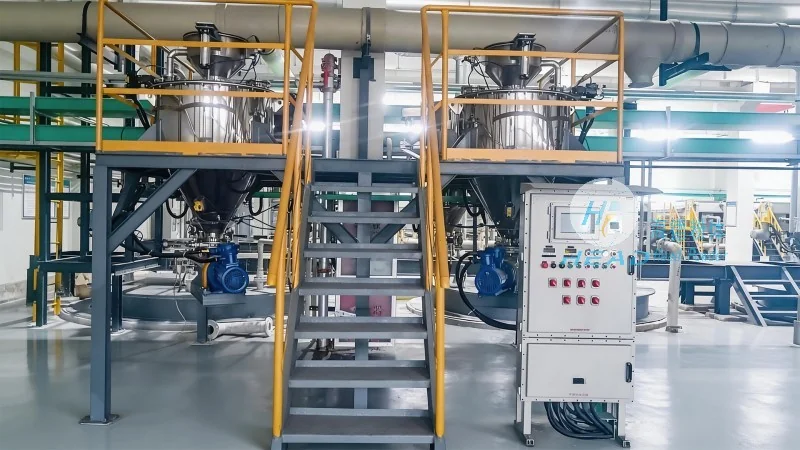
Key factors influencing the efficiency of carbon black pneumatic conveying include the particle size distribution, moisture content, and bulk density of the material. Fine particles require higher air velocities to maintain suspension, while larger particles may settle out if the velocity is too low. Proper system design and operation, guided by HeadPowder's expertise, ensure that these factors are optimized for each application.
Advantages of Carbon Black Pneumatic Conveying Systems
Implementing a pneumatic conveying system for carbon black offers several advantages over traditional methods. These include:
1. Reduced Downtime and Maintenance: By eliminating mechanical components like conveyor belts or buckets, the risk of breakdowns and the need for frequent maintenance is significantly reduced. This leads to higher operational availability and lower maintenance costs.
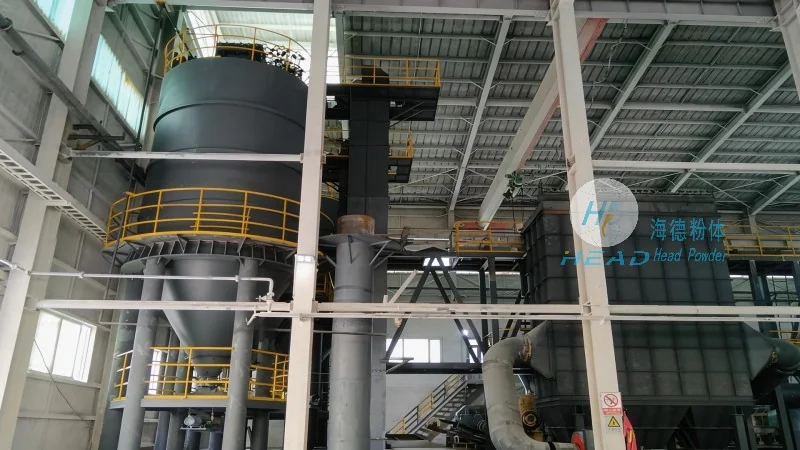
2. Improved Product Quality: Pneumatic conveying minimizes material handling and exposure to contaminants, ensuring that the carbon black remains in its original state. This is particularly important for applications where the purity of the material is critical.
3. Enhanced Safety: The enclosed system prevents dust emissions, reducing the risk of respiratory issues and fire hazards associated with fine powders. This improves workplace safety and compliance with environmental regulations.
4. Flexibility in Layout: Pneumatic conveying systems can be easily integrated into existing production layouts, allowing for changes in the flow path without major structural modifications.
Conclusion
Carbon black pneumatic conveying systems, as explained above, represent a sophisticated and efficient solution for handling fine powders in industrial settings. The structural components and operational principles work in harmony to ensure reliable and safe transportation of carbon black. With companies like Shandong HeadPowder Engineering Co., Ltd. providing specialized engineering and manufacturing services, industries can benefit from advanced pneumatic conveying systems that enhance productivity and product quality. The continued development and application of such systems will likely contribute to the optimization of carbon black handling processes in the future.