

Introduction to Sweet Potato Pneumatic Conveying: Structure and Working Principle Explanation
This article provides an overview of sweet potato pneumatic conveying systems, focusing on their structural design and operational principles. Pneumatic conveying is a critical technology in the processing and handling of sweet potatoes, enabling efficient transport of the tubers from harvest to processing stages. The system utilizes air as the medium to move sweet potatoes through a network of pipes and components, ensuring minimal damage and optimal flow characteristics.
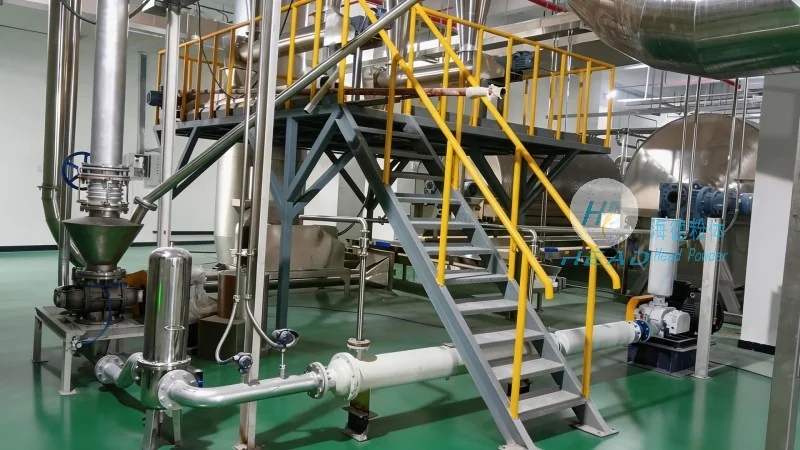
HeadPowder, a leading manufacturer based in Shandong, China, specializes in the design and production of advanced pneumatic conveying equipment tailored for agricultural applications. With a strong commitment to quality and innovation, HeadPowder has developed systems that meet the specific demands of sweet potato processing industries. The company’s expertise lies in integrating robust engineering with practical solutions that enhance productivity and operational efficiency.
Key Components of Sweet Potato Pneumatic Conveying Systems
The core components of a sweet potato pneumatic conveying system include the hopper, feeder, conveying line, and discharge unit. The hopper is designed to store harvested sweet potatoes, providing a consistent feed to the system. A feeder, often a rotary valve or screw feeder, regulates the flow of tubers into the conveying line, ensuring a controlled and steady supply. The conveying line, typically made of stainless steel or other corrosion-resistant materials, is where the air and sweet potatoes travel together. This line may include bends, elbows, and expansion joints to accommodate the layout of the processing facility. The discharge unit, such as a rotary valve or a collection bin, receives the sweet potatoes at the end of the conveying line, completing the transport process.
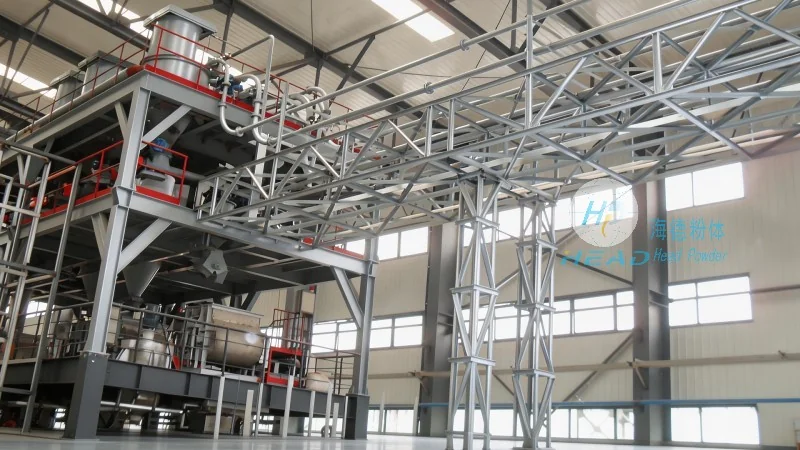
Working Principle of Pneumatic Conveying for Sweet Potatoes
The operation of a sweet potato pneumatic conveying system relies on the principle of air movement to transport the tubers. In a typical system, air is supplied by a blower or fan, creating a pressure differential that draws sweet potatoes from the hopper into the conveying line. The air velocity is carefully controlled to ensure that the sweet potatoes are carried without excessive impact or abrasion. This method of transport is particularly effective for sweet potatoes because it minimizes mechanical damage, which is crucial for maintaining the quality of the final product. The system can be either positive or negative pressure, depending on the specific application and layout of the processing plant.
Advantages of Using Pneumatic Conveying for Sweet Potato Handling
Pneumatic conveying offers several advantages over traditional mechanical conveying methods for sweet potatoes. Firstly, it reduces the risk of physical damage to the tubers, which is essential for preserving their texture and nutritional value. Secondly, the system is highly flexible, allowing for easy integration into existing processing lines or expansion as production needs grow. Additionally, pneumatic conveying can handle a wide range of sweet potato sizes and shapes, making it suitable for diverse processing requirements. The enclosed nature of the system also helps in maintaining hygiene standards, which is critical in food processing environments. Furthermore, the energy efficiency of modern pneumatic conveying systems makes them a cost-effective solution for long-term operation.
Customization and Application in Sweet Potato Processing
HeadPowder understands that each sweet potato processing facility has unique requirements. Therefore, the company offers customized pneumatic conveying solutions that are tailored to specific production volumes, sweet potato varieties, and processing stages. Whether for washing, peeling, or drying operations, the conveying system can be integrated seamlessly with other equipment. The company’s engineers work closely with clients to assess their operational needs and design a system that maximizes efficiency and minimizes downtime. This approach ensures that the final product meets the highest quality standards while optimizing the overall processing workflow.
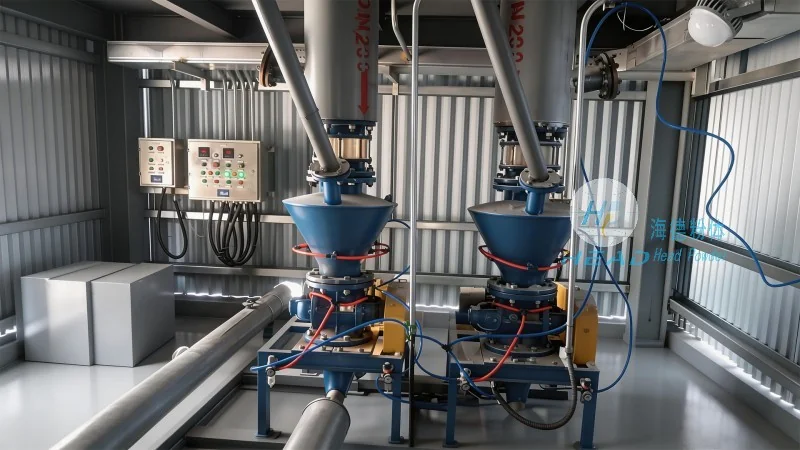
Maintenance and Durability of Pneumatic Conveying Equipment
Proper maintenance is essential to ensure the long-term performance and reliability of sweet potato pneumatic conveying systems. HeadPowder recommends regular inspections of components such as the blower, conveying line, and feeders to identify and address any potential issues before they become major problems. The use of high-quality materials, such as stainless steel for the conveying line and wear-resistant components for the feeders, enhances the durability of the equipment. Additionally, the company provides comprehensive maintenance services and spare parts to support its clients, ensuring that the systems operate at peak efficiency throughout their service life. By investing in proper maintenance, sweet potato processing facilities can extend the lifespan of their equipment and reduce operational costs.
Conclusion
Sweet potato pneumatic conveying systems, as developed by HeadPowder, represent a sophisticated and efficient solution for handling sweet potatoes in agricultural processing. By combining advanced engineering with practical design, these systems ensure minimal damage to the tubers, flexible integration into processing lines, and long-term durability. The company’s commitment to quality and customization makes it a trusted partner for sweet potato processing industries, helping them achieve higher productivity and product quality. With its headquarters in Shandong, China, HeadPowder continues to lead the way in providing innovative pneumatic conveying solutions that meet the evolving needs of the agricultural sector.