

Introduction to Paddy Husk Pneumatic Conveying: Structure and Working Principles
For agricultural and industrial applications, efficient material handling is crucial, especially when dealing with bulk materials like paddy husk. Pneumatic conveying systems offer a versatile solution for transporting such materials, and understanding their structure and working principles is essential for optimizing performance and ensuring reliability. This article provides an overview of paddy husk pneumatic conveying, focusing on the key components, operational mechanisms, and the engineering considerations that define this technology.
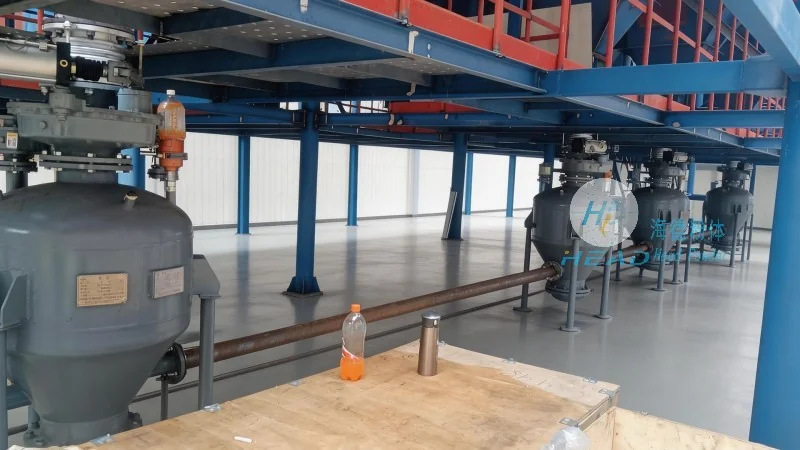
Overview of Paddy Husk Pneumatic Conveying Systems
Paddy husk, a byproduct of rice processing, is a valuable resource in agricultural industries. Its lightweight, fibrous nature makes it suitable for various applications, including fuel, animal feed, and industrial raw materials. However, handling paddy husk efficiently requires specialized equipment to manage its bulk and dust characteristics. Pneumatic conveying systems address these challenges by using air to transport the material through a sealed pipeline system. These systems are designed to minimize material degradation, reduce dust emissions, and ensure consistent flow rates, making them ideal for both small-scale and large-scale operations.
Key Components of Paddy Husk Pneumatic Conveying Systems
The effectiveness of a paddy husk pneumatic conveying system depends on its integrated components, each playing a critical role in the material transport process. The primary components include the material feed hopper, the air supply system (usually a blower or compressor), the conveying pipeline, the separation or collection unit, and the control system. The feed hopper is responsible for storing and feeding the paddy husk into the system, ensuring a consistent flow rate. The air supply system generates the necessary pressure and airflow to move the material through the pipeline. The conveying pipeline, typically made of stainless steel or other corrosion-resistant materials, is designed to withstand the abrasive nature of paddy husk and maintain airtight integrity. The separation or collection unit, such as a cyclone or filter, removes the material from the air stream and collects it in a storage bin. The control system monitors and regulates the operation of the entire system, ensuring optimal performance and safety.
Working Principles of Paddy Husk Pneumatic Conveying
The operation of a paddy husk pneumatic conveying system is based on the principle of fluidization and suspension of the material particles in an air stream. When air is introduced into the conveying pipeline at a sufficient velocity, it lifts and transports the paddy husk particles, creating a dense phase flow. The velocity of the air must be high enough to overcome the gravitational force acting on the particles but not so high as to cause excessive wear on the system components. The system operates in either positive or negative pressure modes, depending on the application. Positive pressure systems push the material through the pipeline using compressed air, while negative pressure systems draw the material into the system using a vacuum. The choice between these modes depends on factors such as the distance to be covered, the material characteristics, and the environmental requirements.

Engineering Considerations for Paddy Husk Pneumatic Conveying
Designing an efficient paddy husk pneumatic conveying system involves several engineering considerations to ensure optimal performance and longevity. Material selection is a critical factor, as the components must withstand the abrasive and corrosive nature of paddy husk. Stainless steel is commonly used for the pipeline and other contact parts due to its durability and resistance to corrosion. The system's capacity and pressure requirements must be carefully calculated based on the material flow rate, pipeline length, and elevation changes. Proper maintenance is also essential to prevent blockages and ensure consistent operation. Regular cleaning of the pipeline and components, as well as monitoring of air pressure and flow rates, helps maintain the system's efficiency and reduces downtime.
Applications of Paddy Husk Pneumatic Conveying
Paddy husk pneumatic conveying systems are widely used in various industries, including agriculture, energy, and manufacturing. In the agricultural sector, these systems are used to transport paddy husk from storage facilities to processing plants or to distribute it as animal feed. In the energy sector, paddy husk is often used as a biomass fuel, and pneumatic conveying systems are used to transport it to boilers or other combustion units. In manufacturing, paddy husk can be used as a raw material for the production of biofuels, paper, or other products, and the conveying system ensures a consistent supply of material to the processing equipment. The versatility of pneumatic conveying makes it suitable for a wide range of applications, from small-scale farms to large industrial facilities.
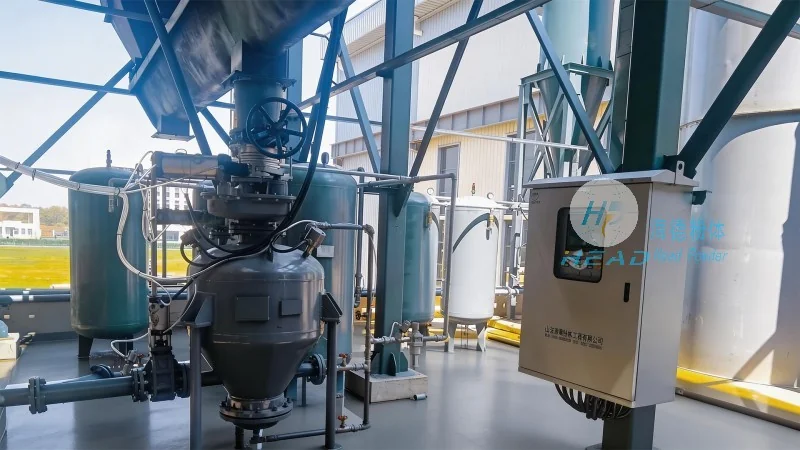
Advantages of Paddy Husk Pneumatic Conveying Systems
Compared to traditional material handling methods, such as belt conveyors or bucket elevators, paddy husk pneumatic conveying systems offer several advantages. One of the key benefits is the ability to transport material in a sealed environment, which reduces dust emissions and improves workplace safety. The system also allows for flexible routing of the pipeline, enabling material to be transported to multiple destinations without the need for complex reconfiguration. Additionally, pneumatic conveying systems can handle a wide range of material sizes and shapes, making them suitable for diverse applications. The low maintenance requirements and long service life of these systems also contribute to their cost-effectiveness over time.
Challenges and Solutions in Paddy Husk Pneumatic Conveying
Despite their advantages, paddy husk pneumatic conveying systems may face challenges such as material blockages, pipeline wear, and air leakage. Blockages can occur due to the accumulation of fine particles or the formation of clumps, which can be mitigated by using appropriate feed hoppers and regular cleaning. Pipeline wear is a common issue, especially in systems handling abrasive materials like paddy husk. Using high-quality, corrosion-resistant materials and proper maintenance can help extend the life of the pipeline. Air leakage can reduce the system's efficiency and increase energy consumption, which can be addressed by ensuring proper sealing of all components and regular inspection of the system.
Conclusion
Paddy husk pneumatic conveying systems are an efficient and reliable solution for handling bulk materials in agricultural and industrial applications. By understanding the key components, working principles, and engineering considerations, users can design and operate systems that optimize performance and ensure long-term reliability. The technology's ability to minimize dust emissions, provide flexible routing, and handle diverse material characteristics makes it a preferred choice for many industries. As the demand for sustainable and efficient material handling solutions grows, the importance of pneumatic conveying systems in the processing of paddy husk and other bulk materials will continue to increase.