

Introduction to Resin Pneumatic Conveying: Structure and Principle of Operation
Resin pneumatic conveying systems are critical in industrial applications for efficiently transporting resin materials. This article provides an overview of the structural components and operational principles of such systems, highlighting the technology's role in material handling and processing. The information is presented by Shandong HeadPowder Engineering Co., Ltd., a leading provider in the field, with operations based in Shandong, China.
Company Overview
Shandong HeadPowder Engineering Co., Ltd., commonly known as HeadPowder, specializes in the design, manufacturing, and installation of pneumatic conveying systems. With a focus on resin handling, the company leverages decades of industry experience to deliver reliable and efficient solutions for various industrial sectors. HeadPowder's commitment to quality and innovation ensures that their systems meet the highest standards of performance and durability, catering to the specific needs of clients in different industries.
Understanding Resin Pneumatic Conveying
Pneumatic conveying involves the use of air or gas to transport solid materials, such as resin powders or granules, through a pipeline. This method offers several advantages over traditional mechanical conveying systems, including reduced maintenance, lower energy consumption, and the ability to handle materials that are difficult to transport by other means. Resin, a key component in many manufacturing processes, requires specialized handling due to its properties, making pneumatic conveying an ideal solution for its transportation and processing.
Key Structural Components of Resin Pneumatic Conveying Systems
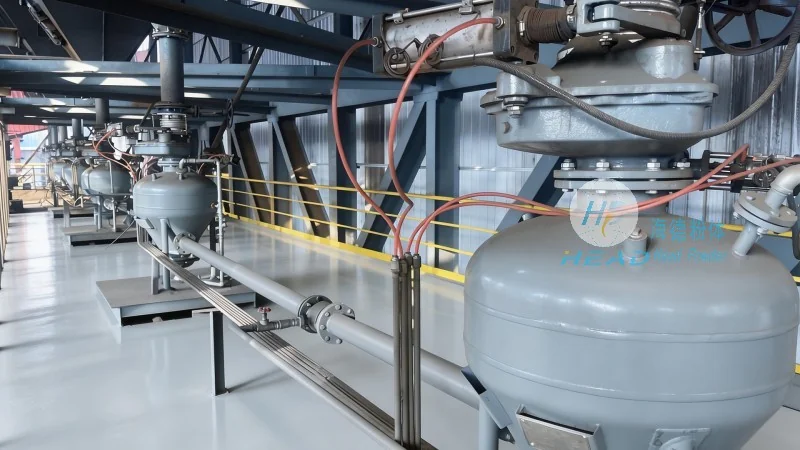
The effectiveness of a resin pneumatic conveying system depends on its well-designed components, each playing a crucial role in the overall operation. The primary components include the hopper or feeder, which stores and meters the resin material; the conveyor line, which transports the material through the system; the air supply system, which provides the necessary air or gas pressure; and the control system, which regulates the flow and pressure within the system. Additionally, the system may include accessories like filters, cyclones, and silos to manage material handling and prevent contamination.
Principle of Operation
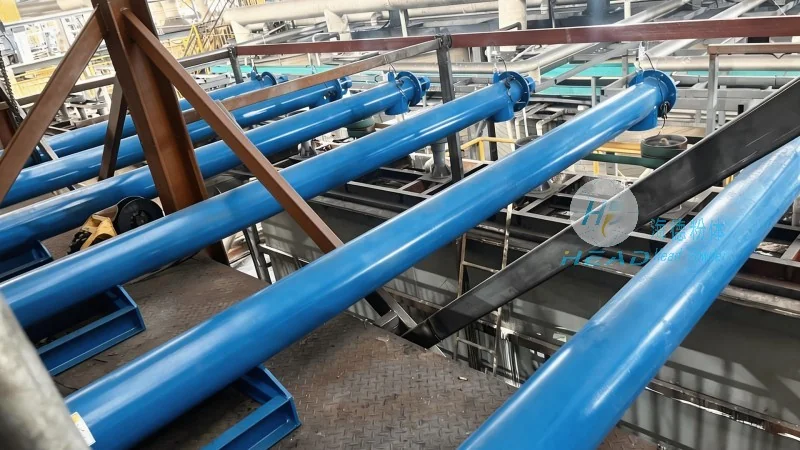
The operation of a resin pneumatic conveying system is based on the principle of creating a pressure differential between the material feed point and the discharge point. The air supply system generates a high-pressure air stream that draws the resin particles into the conveyor line. As the air flows through the pipeline, it carries the resin particles along, maintaining a consistent flow rate. The system's design ensures that the air and material are mixed efficiently, preventing material buildup or blockages. The control system monitors the pressure and flow rates, adjusting the air supply as needed to maintain optimal performance. At the discharge end, the system separates the air from the resin, typically using a cyclone or filter, and collects the resin in a storage container or processing unit.
Advantages of Resin Pneumatic Conveying
Resin pneumatic conveying systems offer numerous benefits that make them a preferred choice for industrial applications. These include the ability to transport materials over long distances without the need for complex infrastructure, reduced risk of material contamination due to enclosed systems, and lower labor costs compared to manual handling. The systems are also adaptable to various resin types and can be customized to meet specific process requirements. Furthermore, the technology allows for continuous operation, improving production efficiency and reducing downtime. HeadPowder's expertise in designing and implementing these systems ensures that clients can leverage these advantages to enhance their operational performance.
Applications in Industrial Sectors
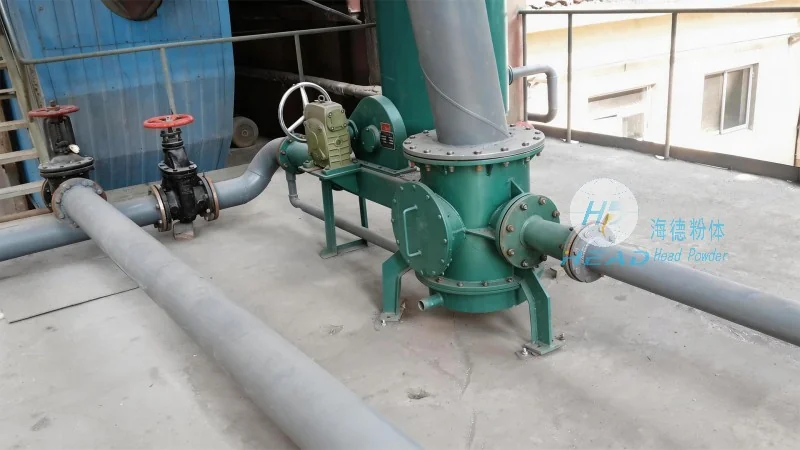
The versatility of resin pneumatic conveying systems makes them applicable across a wide range of industrial sectors. In the plastics industry, these systems are used to transport resin pellets or powders from storage to processing equipment, such as extruders or injection molding machines. In the chemical industry, they handle various resin-based materials, ensuring safe and efficient transportation. The automotive and aerospace industries also benefit from these systems, as they require precise handling of resin components for manufacturing parts. Additionally, in the pharmaceutical and food industries, specialized pneumatic conveying systems are used to handle resin materials that require strict contamination control, demonstrating the technology's adaptability to diverse industrial needs.
Maintenance and Operational Considerations
Proper maintenance is essential to ensure the longevity and efficiency of resin pneumatic conveying systems. Regular checks of the air supply system, conveyor line, and control components are necessary to prevent issues such as blockages or pressure drops. The system's filters and cyclones should be cleaned or replaced as per the manufacturer's recommendations to maintain optimal performance. Additionally, monitoring the system's performance parameters, such as pressure and flow rates, helps in identifying potential problems early and taking corrective actions. HeadPowder provides comprehensive maintenance services to ensure that their systems operate at peak performance, minimizing downtime and maximizing the return on investment for clients.
Conclusion
Resin pneumatic conveying systems represent a sophisticated and efficient method for handling resin materials in industrial applications. With a robust structure and clear operational principles, these systems offer significant advantages over traditional material handling methods. Shandong HeadPowder Engineering Co., Ltd. continues to lead in the development and implementation of such systems, providing tailored solutions that meet the evolving needs of various industries. By leveraging their expertise and commitment to quality, HeadPowder ensures that clients can achieve reliable and efficient resin transportation, contributing to improved productivity and operational success.