

Introduction to Rice Pneumatic Conveying: Structure and Working Principle
HeadPowder, operating as Shandong HeadPowder Engineering Co., Ltd., is a prominent enterprise based in Shandong, China, dedicated to the engineering and manufacturing of pneumatic conveying systems. The company specializes in the development of efficient and reliable equipment for handling bulk materials, with a particular focus on rice and other grains. This article delves into the fundamentals of rice pneumatic conveying, exploring its structural design and operational mechanics to help users understand the technology's capabilities and applications.
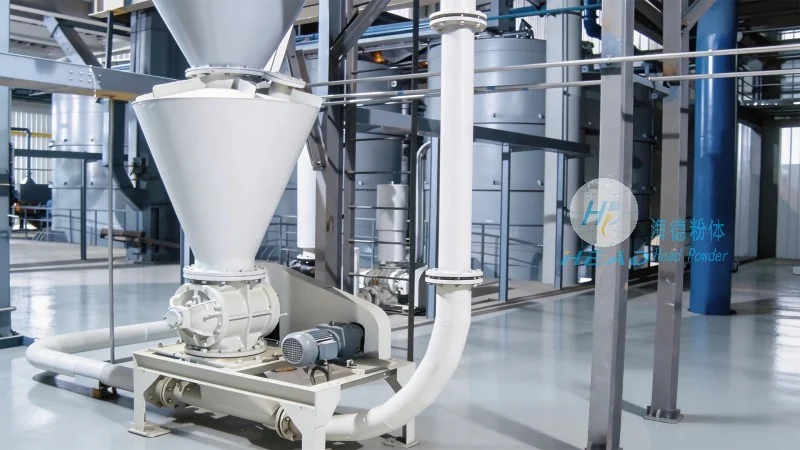
Rice pneumatic conveying systems are designed to transport rice and other similar bulk materials through a closed pipeline using air pressure or suction. The core components of such a system typically include a feeding device, a conveying pipeline, a separation unit, and a dust collection system. The feeding device, often a rotary valve or a star feeder, ensures a consistent and controlled flow of rice into the system. The conveying pipeline, usually made of stainless steel or other corrosion-resistant materials, is responsible for transporting the material along the intended path. The separation unit, which may be a cyclone separator or a bag filter, separates the rice from the air stream, preventing dust and particles from being released into the environment. The dust collection system then cleans the air, making it safe for release or reuse.
The working principle of a rice pneumatic conveying system involves the creation of a pressure differential between the inlet and outlet of the system. In an aspirated system, a vacuum is created at the inlet, drawing rice and air into the pipeline. In a pressurized system, compressed air is used to push the rice through the pipeline. The choice between aspirated and pressurized systems depends on factors such as the distance to be covered, the volume of material to be conveyed, and the need for dust control. Both systems rely on the air flow to move the rice, with the air acting as the medium for transport. The efficiency of the system is determined by the design of the components, particularly the feeding device and the separation unit, which must be optimized to minimize energy consumption and maximize material handling capacity.
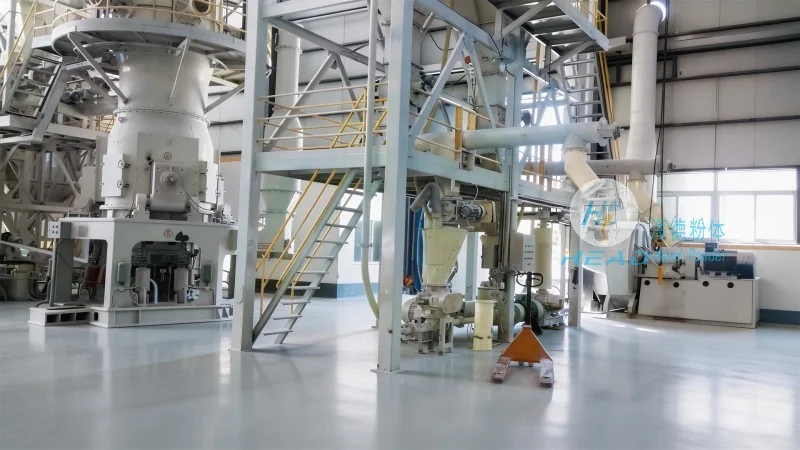
HeadPowder's expertise lies in the customization of pneumatic conveying systems to meet the specific requirements of rice processing facilities. The company's engineers work closely with clients to assess their operational needs, such as the volume of rice to be handled, the distance of transport, and the desired level of dust control. Based on these assessments, HeadPowder designs and manufactures systems that incorporate the latest technology and materials, ensuring durability, efficiency, and compliance with industry standards. The company's commitment to quality and customer satisfaction is reflected in its comprehensive after-sales service, including maintenance, repair, and technical support, which helps clients maintain optimal performance of their conveying systems.
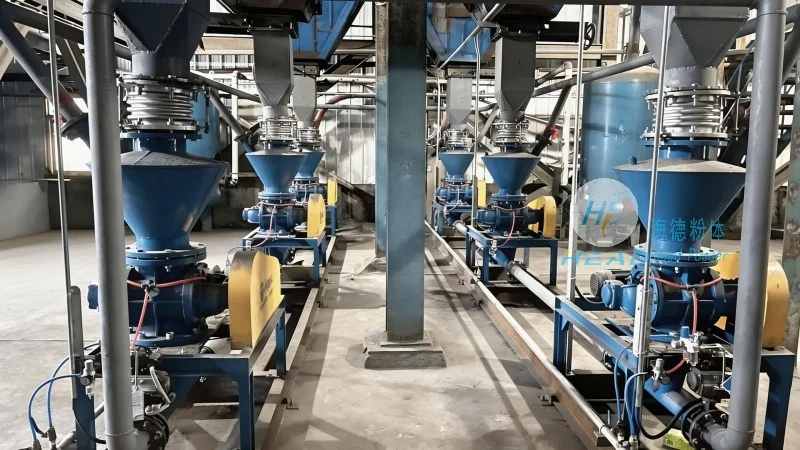
When considering a rice pneumatic conveying system, it is essential to evaluate the system's performance based on key factors such as material flow rate, pressure drop, and energy consumption. The feeding device's design is critical, as it must handle the rice's characteristics, including its moisture content and particle size distribution. The conveying pipeline's diameter and length are also important, as they directly impact the system's efficiency and cost. The separation unit's efficiency affects the quality of the rice and the environmental impact of the operation. HeadPowder's systems are engineered to address these factors, providing reliable and cost-effective solutions for rice handling in various applications, from small-scale processing to large industrial operations.
In conclusion, rice pneumatic conveying is a highly effective method for transporting rice and other bulk materials, offering advantages such as reduced labor costs, improved hygiene, and increased efficiency compared to traditional methods like bucket elevators or belt conveyors. HeadPowder, with its headquarters in Shandong, China, has established itself as a trusted provider of pneumatic conveying systems, delivering customized solutions that meet the unique needs of the rice processing industry. By understanding the structural components and working principles of these systems, users can make informed decisions about their material handling needs and choose the most suitable equipment for their operations.