

Introduction to Aluminum Dross Pneumatic Conveying: Structure and Principle Overview
Aluminum dross, a byproduct of aluminum production processes, requires efficient and reliable handling for recycling and further processing. Pneumatic conveying systems have emerged as a key solution for transporting aluminum dross, offering advantages such as reduced contamination, lower labor costs, and enhanced safety compared to traditional methods like bucket elevators or belt conveyors. This article provides an overview of aluminum dross pneumatic conveying systems, focusing on their structural design and operational principles.
HeadPowder Engineering: Your Expert in Pneumatic Conveying Solutions
Shandong HeadPowder Engineering Co., Ltd., based in Shandong, China, is a leading provider of specialized pneumatic conveying equipment tailored for the aluminum industry. With years of experience in designing and manufacturing systems for handling aluminum dross, HeadPowder has established itself as a trusted partner for companies seeking efficient and cost-effective solutions. The company’s expertise lies in understanding the unique challenges of aluminum dross, including its abrasive nature and varying particle sizes, and developing customized systems that meet specific operational requirements.
Structural Components of Aluminum Dross Pneumatic Conveying Systems
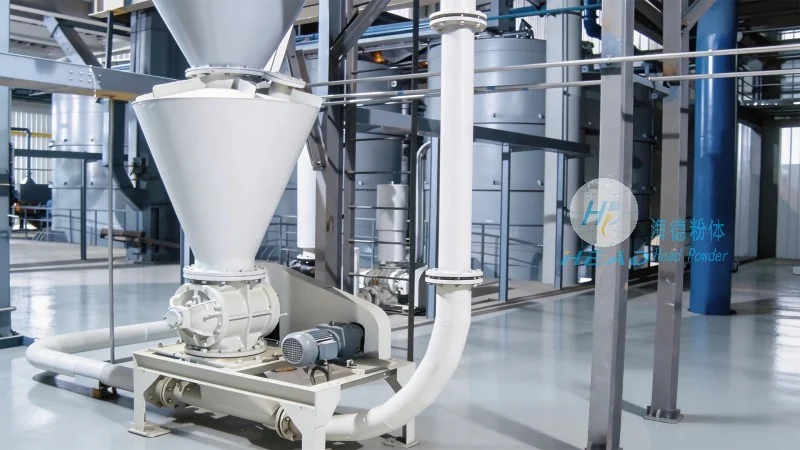
Aluminum dross pneumatic conveying systems typically consist of several key components that work in tandem to ensure efficient material transport. The primary components include a hopper for material storage, a rotary valve or feeder to control the flow of dross into the system, a pipeline network that transports the material, and a receiver or discharge unit where the material is deposited. Additionally, systems may include a blower or compressor to generate the air pressure required for conveying, as well as filters and cyclones to separate the material from the air stream and prevent dust contamination.
Operational Principle: The Pneumatic Conveying Process
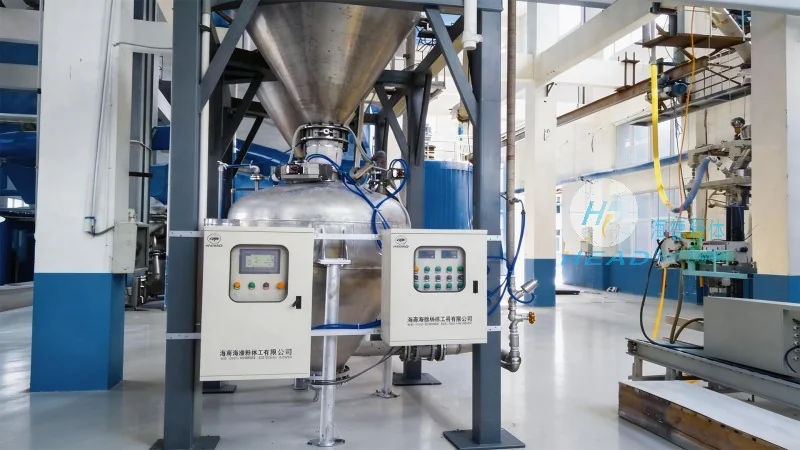
The core principle of pneumatic conveying for aluminum dross involves using air to transport the material through a pipeline. In a typical system, the aluminum dross is fed into the hopper, where it is then metered by a rotary valve or feeder into the pipeline. The blower or compressor generates a high-pressure air stream that propels the dross particles forward. As the material travels through the pipeline, it is suspended in the air stream, allowing it to be transported over long distances without the need for mechanical components like belts or buckets. The air and material mixture then enters a receiver or cyclone, where the dross is separated from the air by gravity or centrifugal force. The separated dross is collected in the receiver, while the air is filtered and recirculated back into the system, minimizing waste and energy consumption.
Advantages of Pneumatic Conveying for Aluminum Dross Handling
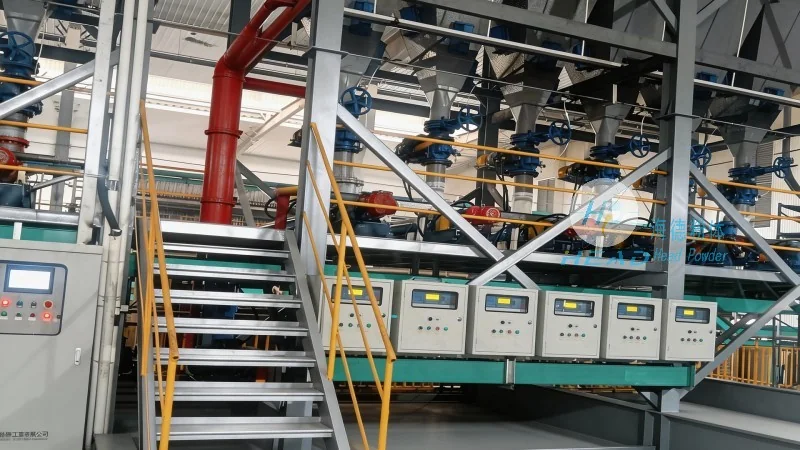
Compared to traditional handling methods, aluminum dross pneumatic conveying systems offer several significant advantages. First, they provide a clean and hygienic method of transport, as the material is enclosed within the pipeline, preventing contamination from external sources. Second, the systems are highly flexible, allowing for changes in material flow rates and distances without major modifications. Third, pneumatic conveying reduces labor costs by automating the material handling process, minimizing the need for manual labor and associated safety risks. Finally, the systems are compact and require less floor space compared to traditional conveyors, making them suitable for installations with limited space.
Customization and Application in Aluminum Recycling
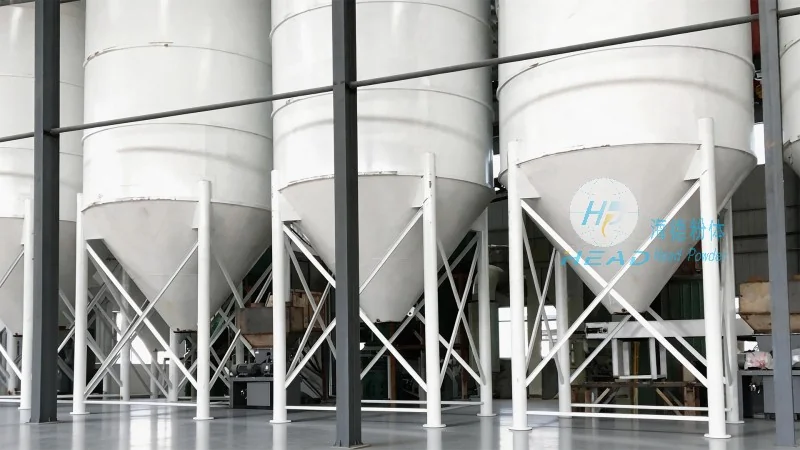
HeadPowder Engineering specializes in designing customized pneumatic conveying systems tailored to the specific needs of aluminum recycling facilities. The company considers factors such as the type and size of aluminum dross, the required transport distance, and the existing infrastructure when designing a system. For example, for facilities processing large volumes of dross, HeadPowder may recommend a high-capacity system with multiple pipelines and a large receiver. For facilities with limited space, the company may design a compact system with vertical or horizontal configurations. The systems are also designed to handle varying particle sizes and moisture content, ensuring consistent performance and minimizing downtime.
Conclusion: Enhancing Efficiency in Aluminum Dross Processing
Aluminum dross pneumatic conveying systems represent a significant advancement in the handling of aluminum byproducts, offering efficient, cost-effective, and safe solutions for aluminum recycling facilities. With its expertise in pneumatic conveying technology, Shandong HeadPowder Engineering Co., Ltd. provides tailored systems that meet the unique challenges of aluminum dross handling. By leveraging the structural design and operational principles outlined in this article, facilities can improve their processing efficiency, reduce costs, and enhance overall operational performance. The adoption of pneumatic conveying systems is a strategic investment for aluminum recycling companies seeking to optimize their operations and contribute to sustainable aluminum production.