

Operation Process and Working Principle of PES Fiber Material Pneumatic Conveying Machine
For industries dealing with polyethylene terephthalate (PES) fiber materials, efficient and reliable material handling is crucial. The PES fiber material pneumatic conveying machine, developed by Shandong HeadPowder Engineering Co., Ltd., offers a sophisticated solution to meet these demands. This article provides a detailed exploration of the operation process and working principle of this equipment, highlighting its key features and practical applications.
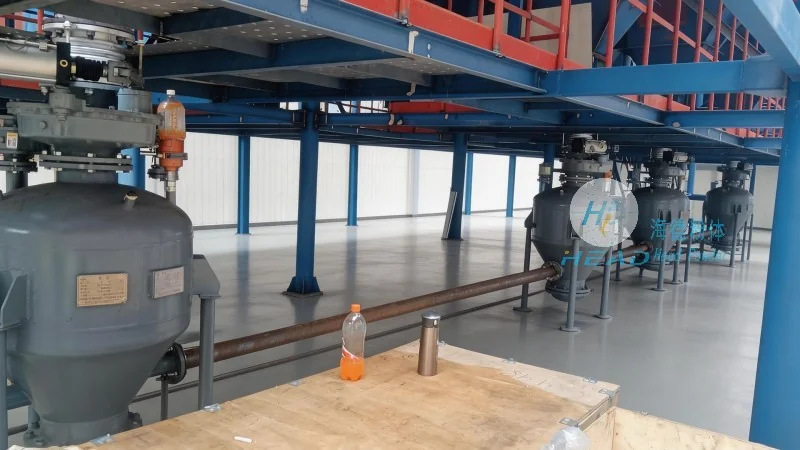
Company Introduction
Shandong HeadPowder Engineering Co., Ltd., commonly known as HeadPowder, is a leading manufacturer specializing in powder and bulk material handling equipment. With a strong commitment to innovation and quality, the company has established itself as a trusted partner in the industry. HeadPowder’s headquarters is located in Shandong, China, where advanced technology and rigorous testing ensure the highest standards of performance for their products.
Overview of PES Fiber Material Pneumatic Conveying Machine
The PES fiber material pneumatic conveying machine is designed to transport PES fibers efficiently through an air-based system. This equipment is particularly suitable for applications where traditional mechanical conveying methods may face challenges due to the fibrous nature of the material. The machine operates by using compressed air to move the PES fibers from a source point to a destination point, ensuring minimal material degradation and loss.
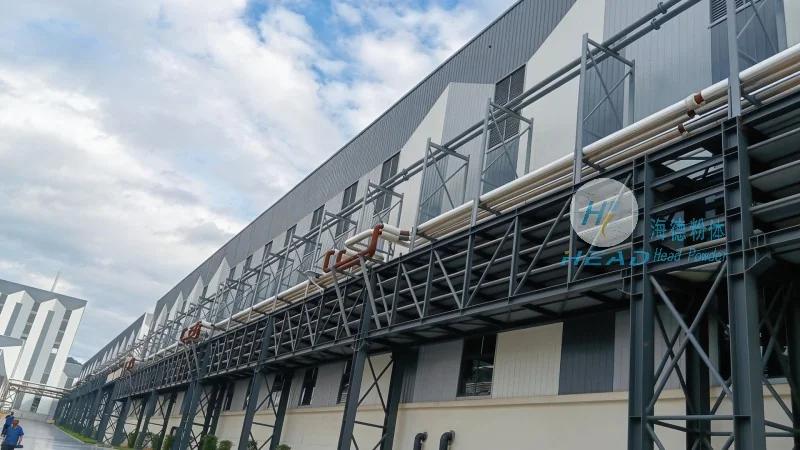
Operation Process of the Pneumatic Conveying System
The operation of the PES fiber material pneumatic conveying machine involves several sequential steps. First, the PES fibers are loaded into a hopper or feeder at the starting point of the system. The feeder then regulates the flow of the material into the conveying line. Next, compressed air is introduced into the system, creating a pressure differential that propels the fibers forward. The fibers travel through the pipeline, often passing through various components such as bends, filters, and control valves. At the receiving end, the fibers are deposited into a storage bin or processing unit. The entire process is automated, with sensors and controls ensuring consistent performance and preventing system failures.
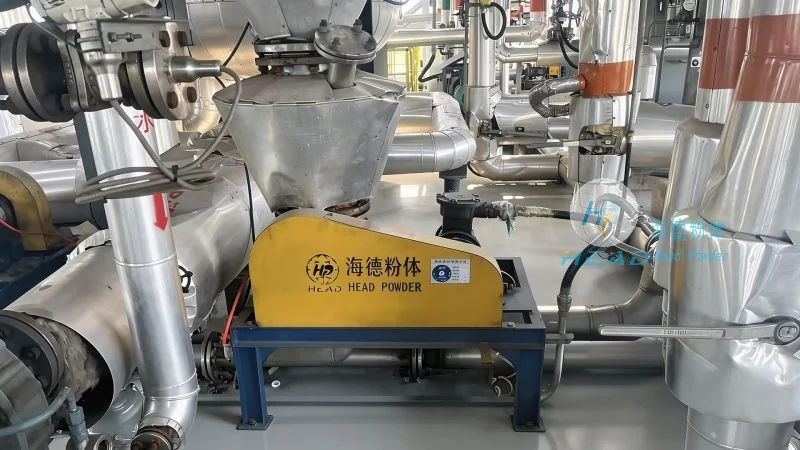
Working Principle of the Pneumatic Conveying Machine
The working principle of the pneumatic conveying machine is based on the fundamental concept of fluidization and air movement. When compressed air is introduced into the conveying line, it creates a low-pressure zone that draws the PES fibers into the stream. The fibers are then carried along by the air current, maintaining a stable flow. The machine utilizes a combination of positive and negative pressure systems, depending on the specific application requirements. Positive pressure systems push the material through the line, while negative pressure systems pull it. The choice of system depends on factors such as the distance to be covered, the material characteristics, and the desired flow rate.
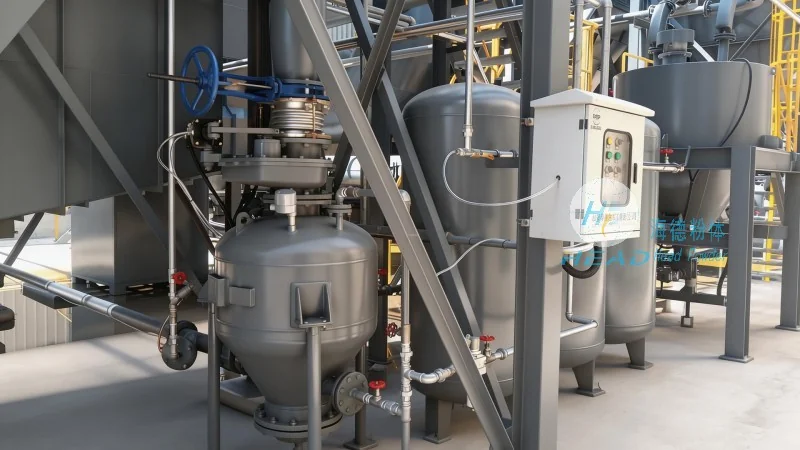
Key Components and Their Functions
The PES fiber material pneumatic conveying machine consists of several critical components, each playing a vital role in the overall operation. The main components include the hopper or feeder, which holds the PES fibers and regulates their discharge; the air compressor, which provides the necessary compressed air; the conveying line, which transports the fibers; the control valves, which regulate the air flow and pressure; and the filter and separator, which remove any debris or dust from the air stream. Each component is carefully designed to ensure optimal performance and durability, contributing to the machine’s reliability and efficiency.
Benefits and Applications in Industrial Settings
The PES fiber material pneumatic conveying machine offers numerous benefits for industrial applications. It provides a clean and dust-free method of material handling, reducing the risk of contamination and improving product quality. The machine is also highly flexible, allowing for easy integration into existing production lines. Additionally, it minimizes material loss and reduces labor costs associated with manual handling. In industries such as textiles, plastics, and chemical processing, this equipment is widely used for transporting PES fibers for further processing, such as spinning, extrusion, or blending. The machine’s ability to handle fibrous materials efficiently makes it an essential tool for manufacturers seeking to enhance their production efficiency and maintain high standards of quality.