

Operation Process and Working Principle of Polyethylene Powder Pneumatic Conveying Machine
Understanding the operation process and working principle of polyethylene powder pneumatic conveying machines is crucial for optimizing material handling efficiency in industrial applications. These specialized systems are designed to transport polyethylene powder from one location to another using air as the conveying medium, offering a flexible and efficient solution for various industrial processes.
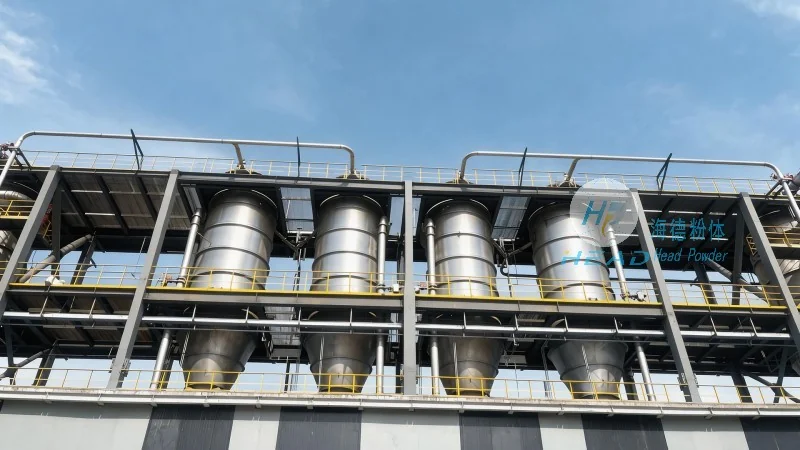
Pneumatic Conveying Basics and Application in Polyethylene Powder Handling
Pneumatic conveying systems utilize compressed air or gas to move bulk materials like polyethylene powder through a pipeline network. In the context of polyethylene powder, these systems are particularly valuable due to the material's properties, such as its fine particle size and potential for static electricity, which can affect traditional conveying methods. The HeadPowder Engineering Co., Ltd., a leading manufacturer based in Shandong, China, specializes in developing advanced pneumatic conveying solutions tailored to the unique demands of polyethylene powder handling.
The Core Components of a Polyethylene Powder Pneumatic Conveying System
A typical polyethylene powder pneumatic conveying system consists of several key components that work in concert to ensure efficient material transport. These components include a material feeder, which introduces the polyethylene powder into the system; a conveying line, which transports the material through the pipeline; a separator or filter, which removes excess air and any residual powder from the system; and a discharge device, which delivers the polyethylene powder to its final destination. Each component is carefully designed to handle the specific characteristics of polyethylene powder, ensuring minimal product degradation and maximum system efficiency.
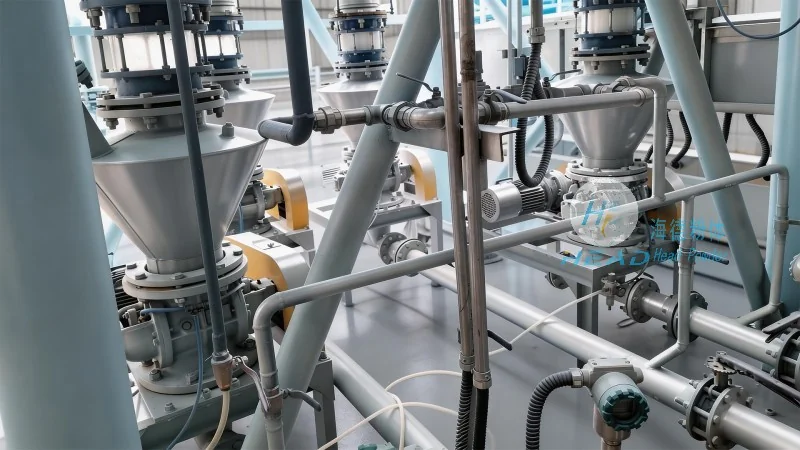
Operation Process: Step-by-Step Overview
The operation of a polyethylene powder pneumatic conveying machine involves a sequence of controlled steps to ensure smooth material transport. The process typically begins with the loading of polyethylene powder into the material feeder. The feeder then meters the powder into the conveying line at a controlled rate, preventing overloading and maintaining consistent flow. Compressed air is then introduced into the conveying line, creating a pressure differential that propels the polyethylene powder through the system. As the powder travels through the pipeline, it is carried by the air stream, which helps to prevent agglomeration and maintain particle integrity. The conveying line may include various sections, such as straight runs, bends, or vertical lifts, each designed to accommodate the material's flow characteristics. At the discharge end, the polyethylene powder is separated from the air using a separator or filter, and the clean powder is collected in a receiving hopper or container. The excess air is then vented or recycled back into the system, completing the cycle.
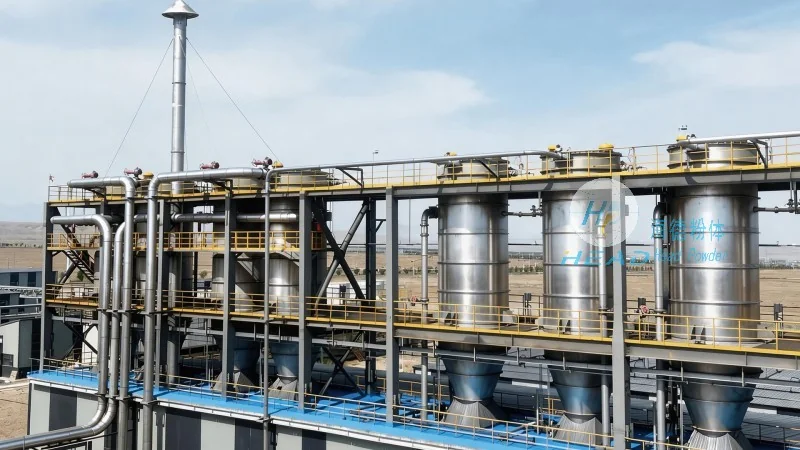
Working Principle: How Pneumatic Conveying Transports Polyethylene Powder
The working principle of a polyethylene powder pneumatic conveying system is based on the principles of fluid dynamics and particle transport. When compressed air is introduced into the conveying line, it creates a low-pressure zone behind the moving powder, which draws additional material into the system. This phenomenon, known as the "suction effect," allows for continuous and efficient material transport without the need for mechanical components that could cause product contamination or wear. The air velocity within the conveying line is carefully controlled to ensure that the polyethylene powder particles are fully suspended and transported without settling or clogging the pipeline. The system's design, including the size and shape of the conveying line, the type of air nozzle, and the placement of separators, is optimized to achieve the desired conveying capacity and material quality. By leveraging the properties of compressed air, these systems provide a clean, dust-free, and efficient method for handling polyethylene powder, making them ideal for applications where traditional mechanical conveying methods may be unsuitable.
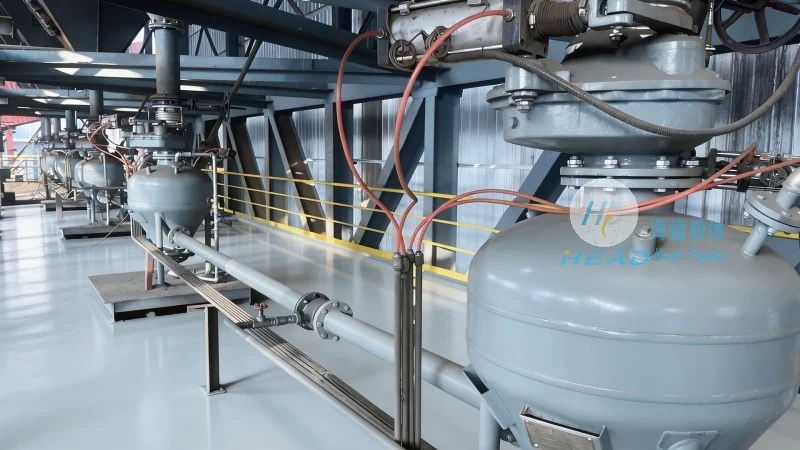
Advantages of Using Polyethylene Powder Pneumatic Conveying Machines
Pneumatic conveying machines offer several advantages when handling polyethylene powder compared to traditional methods. These include the ability to transport materials over long distances without the need for intermediate storage or transfer points, reducing the risk of contamination and material loss. The system is also highly flexible, allowing for easy reconfiguration of the conveying line to accommodate changes in production processes or material flow requirements. Additionally, pneumatic conveying systems are capable of handling polyethylene powder with varying particle sizes and moisture content, making them suitable for a wide range of industrial applications. The HeadPowder Engineering Co., Ltd. has developed advanced pneumatic conveying solutions that incorporate these advantages, ensuring optimal performance and reliability for their clients.
Conclusion: The Role of Pneumatic Conveying in Modern Polyethylene Powder Handling
In conclusion, the operation process and working principle of polyethylene powder pneumatic conveying machines represent a sophisticated and efficient approach to material handling in industrial settings. By leveraging compressed air to transport polyethylene powder through a pipeline network, these systems provide a clean, dust-free, and reliable method for moving bulk materials. The HeadPowder Engineering Co., Ltd., with its expertise in pneumatic conveying technology, offers advanced solutions tailored to the unique needs of polyethylene powder handling, ensuring optimal performance and minimal product degradation. As industrial processes continue to evolve, the importance of efficient material handling systems like pneumatic conveying will only grow, making them an essential component of modern manufacturing operations.