

Operation Process and Working Principle of Pneumatic Conveying Machine for Alumina Crystal Material
HeadPowder, a leading engineering company based in Shandong, China, specializes in the design, manufacturing, and installation of advanced pneumatic conveying systems tailored for handling alumina crystal materials. The company's expertise lies in developing efficient and reliable solutions that ensure smooth material transport while maintaining product integrity.
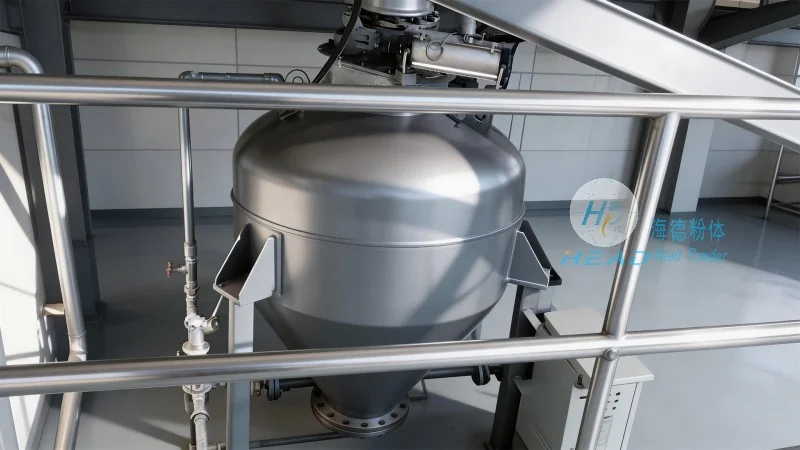
Overview of Pneumatic Conveying Systems for Alumina Crystals
At the core of HeadPowder's offerings is the pneumatic conveying machine designed specifically for alumina crystal material transport. This system utilizes air as the primary medium to move bulk materials through a network of pipes and components. The technology is widely adopted in the alumina processing industry due to its ability to handle abrasive and high-value materials like alumina crystals with minimal wear and optimal efficiency.
Key Components and Their Functions
The pneumatic conveying machine for alumina crystals consists of several critical components, each playing a vital role in the overall operation. These include the material hopper, which stores and feeds the alumina crystals; the air compressor, responsible for generating the necessary air pressure; the conveying line, a network of pipes that transports the material; and the control system, which monitors and regulates the entire process. Each component is engineered to withstand the unique challenges posed by alumina crystals, such as their abrasive nature and high density.
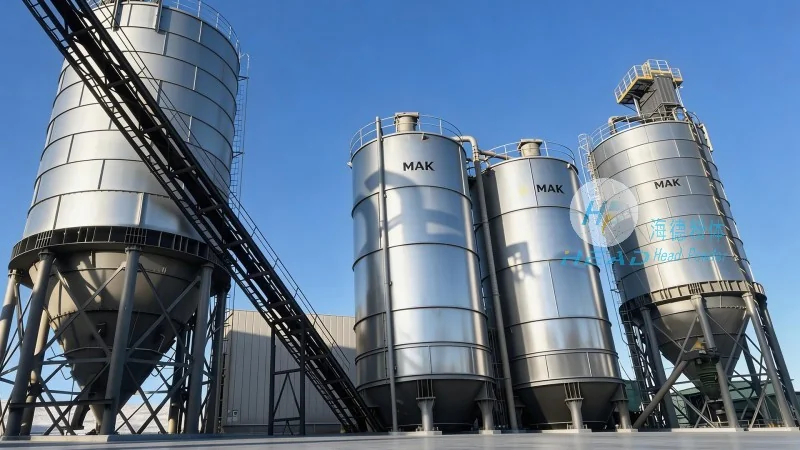
Operation Process of the Pneumatic Conveying Machine
The operation of the pneumatic conveying machine for alumina crystals follows a systematic sequence to ensure consistent and efficient material transport. The process begins with the loading of alumina crystals into the material hopper. As the material is fed into the system, the air compressor starts, generating a flow of air that creates a pressure differential within the conveying line. This pressure differential propels the alumina crystals forward through the pipes. The material is then discharged at the destination point, such as a storage silo or processing unit. Throughout the process, the control system continuously monitors parameters like air pressure, flow rate, and material level to maintain optimal performance and prevent system failures.
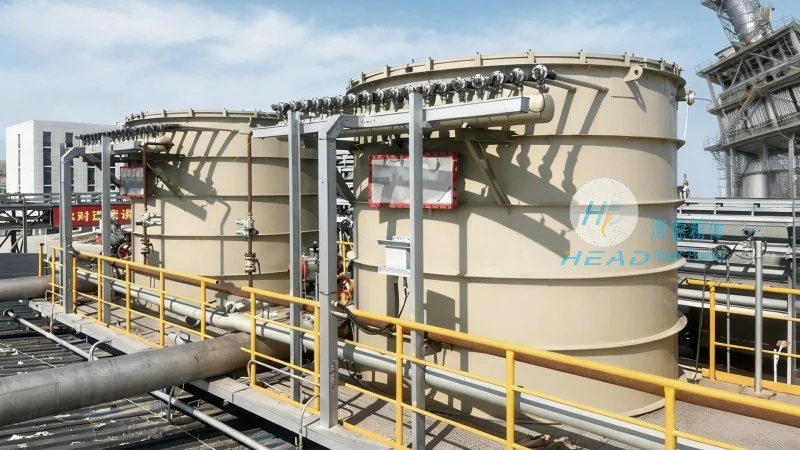
Working Principle: How the System Transmits Material
The working principle of the pneumatic conveying machine relies on the fundamental concept of fluidization and pneumatic transport. When air is introduced into the conveying line at a sufficient velocity, it creates a fluidized state within the material, allowing the crystals to be suspended and carried by the air stream. This method, known as dilute-phase pneumatic conveying, is particularly effective for alumina crystals due to its ability to handle high material loads while minimizing pressure drop and energy consumption. The system's design ensures that the air velocity remains above the material's terminal velocity, preventing clogging and ensuring smooth transport. Additionally, the use of appropriate pipe diameters and bends minimizes friction losses, enhancing overall efficiency.
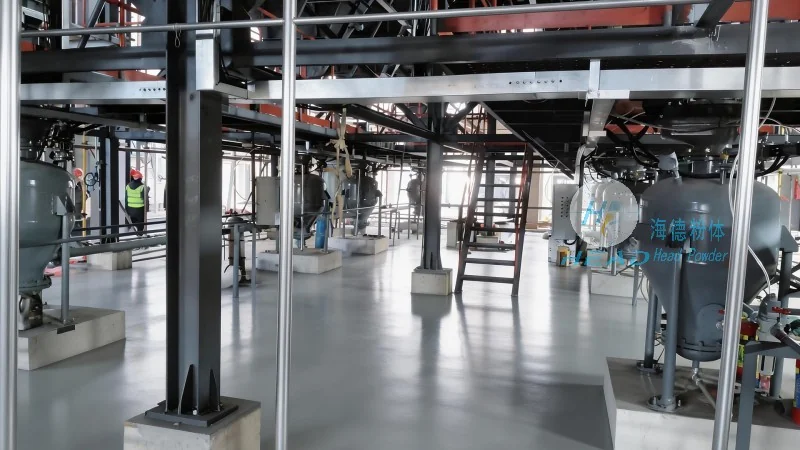
Advantages of Using Pneumatic Conveying for Alumina Crystals
Implementing a pneumatic conveying system for alumina crystals offers several advantages over traditional methods like belt conveyors or bucket elevators. Firstly, it eliminates the need for mechanical contact with the material, reducing wear and tear on the equipment and extending its service life. Secondly, the system provides a dust-free and enclosed environment, which is crucial for maintaining the purity of alumina crystals and ensuring compliance with industrial safety standards. Thirdly, pneumatic conveying allows for flexible and modular system designs, enabling easy integration with existing processing lines and future expansion. Finally, the technology offers high material throughput and low energy consumption, making it a cost-effective solution for large-scale alumina crystal handling operations.
Maintenance and Operational Considerations
Proper maintenance and operational management are essential to ensure the long-term reliability and efficiency of the pneumatic conveying machine for alumina crystals. Regular inspections of the material hopper, air compressor, and conveying lines are necessary to detect and address any potential issues, such as blockages or wear. The air filter system must be cleaned or replaced regularly to prevent dust accumulation and maintain air quality. Additionally, the control system should be calibrated periodically to ensure accurate monitoring of process parameters. By adhering to these maintenance practices, HeadPowder's customers can maximize the system's lifespan and minimize downtime, resulting in consistent and reliable alumina crystal transport.