

Operation Process and Working Principle of Pneumatic Conveying Equipment for Anode Material Raw Mate
Shandong HeadPowder Engineering Co., Ltd., a leading manufacturer in the field of powder processing equipment, specializes in providing advanced solutions for the handling and transportation of anode material raw materials. The company, commonly known as HeadPowder, is headquartered in Shandong, China, and has established itself as a trusted partner for businesses operating in the battery materials industry. This article delves into the operation process and working principle of pneumatic conveying equipment designed specifically for anode material processing, highlighting the efficiency and reliability of these systems.
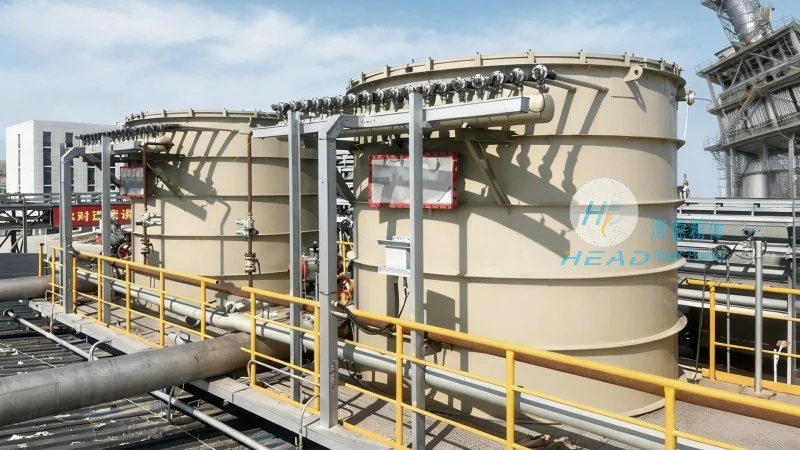
Understanding Pneumatic Conveying Systems for Anode Material Handling
Pneumatic conveying equipment is a critical component in the production line for anode materials, enabling the safe and efficient transport of raw materials from storage to processing units. The system utilizes air pressure to move powders through a network of pipes, eliminating the need for mechanical components that can cause contamination or wear. HeadPowder's pneumatic conveying solutions are engineered to handle various types of anode materials, including graphite, carbon black, and other powders, ensuring consistent performance and minimal downtime. The equipment is designed with precision to meet the stringent requirements of the battery manufacturing industry, where material purity and process reliability are paramount.
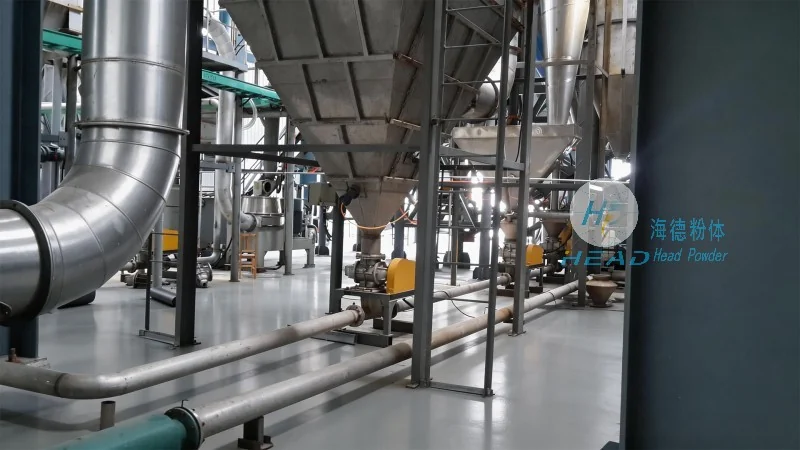
Step-by-Step Operation Process of the Pneumatic Conveying Equipment
The operation of pneumatic conveying equipment for anode materials involves several key steps that ensure smooth and continuous material flow. First, the raw anode material is loaded into a hopper or storage silo. From there, the material is fed into the conveying system via a rotary valve or feeder, which controls the flow rate and prevents blockages. The feeder then introduces the material into the conveying line, where it is mixed with compressed air. The air and material mixture travels through the pipeline under pressure, moving the material to the desired destination, such as a mixer or processing unit. At the receiving end, a separator or cyclone separates the material from the air, allowing the material to be discharged while the air is filtered and recycled. This closed-loop system minimizes material loss and ensures environmental compliance, making it an ideal choice for modern anode material processing facilities.
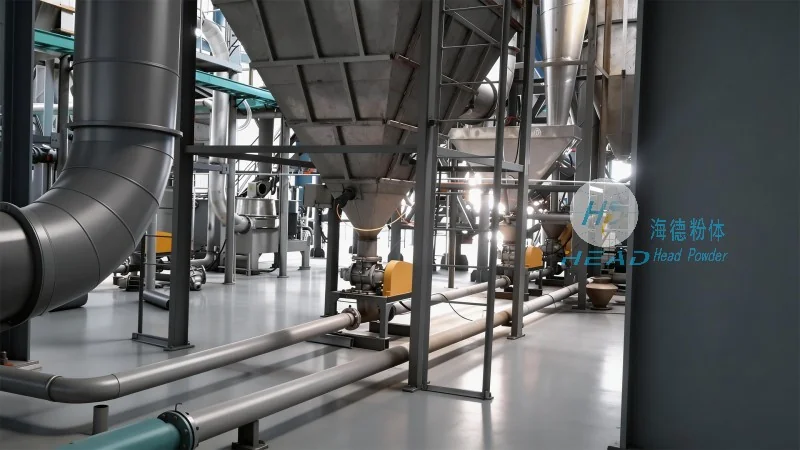
Working Principle of Pneumatic Conveying for Anode Material Transport
The working principle of pneumatic conveying equipment relies on the principles of fluid dynamics and particle transport. When compressed air is introduced into the conveying line, it creates a pressure differential that propels the anode material particles forward. The velocity of the air and the size of the particles determine the conveying capacity and efficiency of the system. HeadPowder's equipment is equipped with advanced control systems that monitor pressure, flow rate, and material level in real-time, ensuring optimal performance. The system can operate in both dilute-phase and dense-phase modes, depending on the material characteristics and process requirements. Dilute-phase conveying is suitable for fine powders with low bulk density, while dense-phase conveying is used for larger particles or materials that require higher pressure to maintain flow. The design of the conveying lines, including the use of bends, valves, and filters, is crucial to maintaining the integrity of the anode material and preventing degradation or contamination.
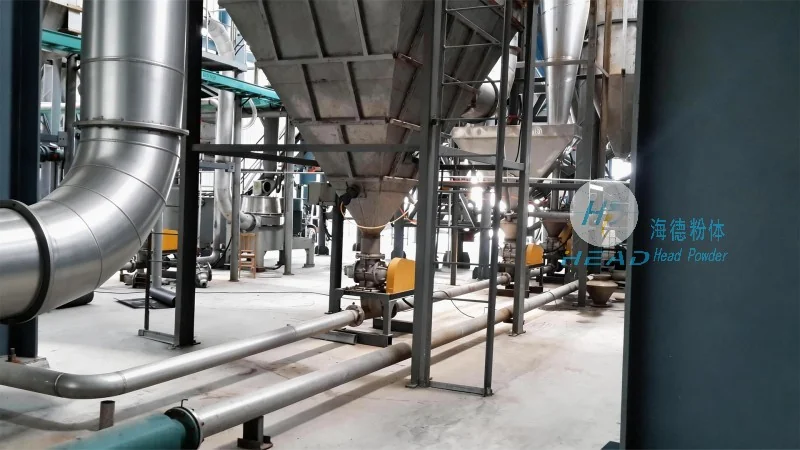
Advantages and Applications of Pneumatic Conveying in Anode Material Processing
Pneumatic conveying equipment offers several advantages over traditional mechanical conveying methods, making it the preferred choice for anode material handling. The primary benefits include reduced risk of material contamination, lower maintenance costs due to fewer moving parts, and improved safety by eliminating the need for manual handling of powders. Additionally, the closed-loop system reduces dust emissions and improves environmental sustainability, which is increasingly important in the battery materials industry. HeadPowder's pneumatic conveying solutions are widely used in the production of lithium-ion battery anodes, where consistent material quality and efficient processing are critical to meeting market demands. The equipment is adaptable to various production scales, from small-scale laboratory applications to large-scale industrial manufacturing, providing flexibility for businesses of all sizes.