

Analysis of Sodium Hypochlorite Pneumatic Conveying Systems
Sodium hypochlorite is a widely used chemical in various industrial and commercial applications, including water treatment, disinfection, and cleaning processes. The efficient and safe transportation of this chemical is crucial for maintaining operational efficiency and ensuring compliance with safety standards. Pneumatic conveying systems offer a reliable solution for handling sodium hypochlorite, providing a closed-loop system that minimizes exposure risks and optimizes material flow. This article provides an in-depth analysis of sodium hypochlorite pneumatic conveying systems, exploring their design, functionality, and key considerations for implementation.
Key Components of a Pneumatic Conveying System for Sodium Hypochlorite
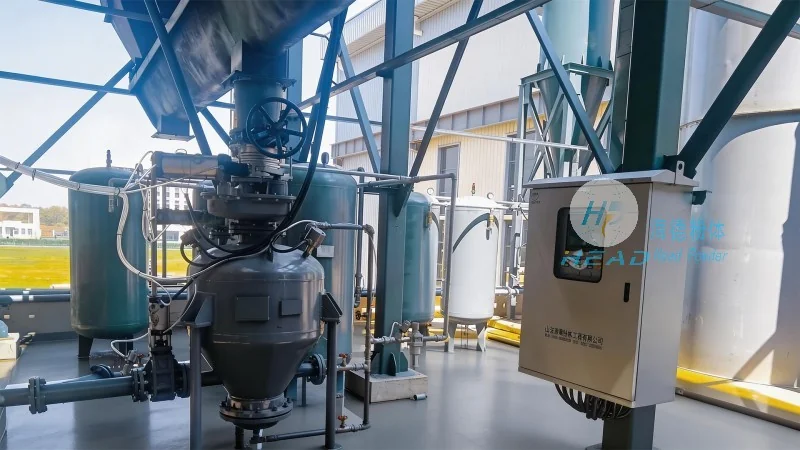
A typical pneumatic conveying system for sodium hypochlorite consists of several critical components that work in tandem to ensure effective material transport. The primary components include a feed hopper, a rotary airlock valve, a conveying line (either positive or negative pressure), a dust collector or filter system, and a discharge hopper. The feed hopper is designed to store and meter the sodium hypochlorite, while the rotary airlock valve controls the flow of material into the conveying line, preventing backflow and maintaining consistent pressure. The conveying line is where the material is propelled by air, either by creating a positive pressure (pressure conveying) or negative pressure (vacuum conveying). The dust collector or filter system is essential for capturing any fine particles or mist generated during the conveying process, ensuring environmental compliance and worker safety. The discharge hopper then collects the material at the destination point, allowing for easy handling and storage.
Design Considerations for Safe and Efficient Operation
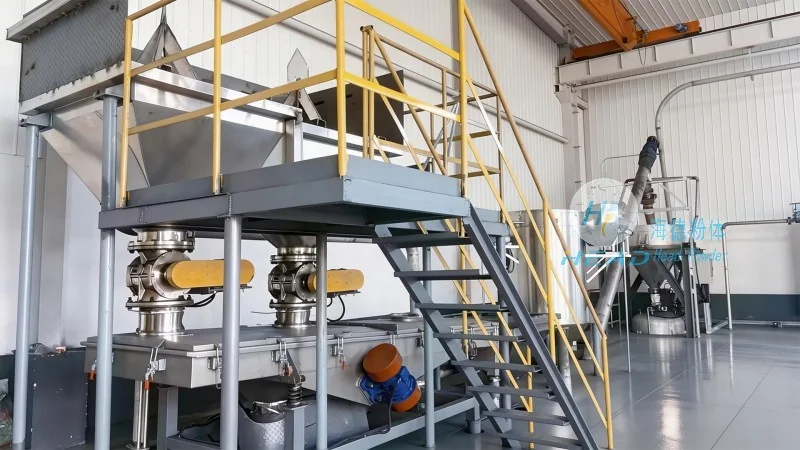
When designing a sodium hypochlorite pneumatic conveying system, several factors must be considered to ensure safety, efficiency, and longevity. First, material compatibility is critical, as sodium hypochlorite can be corrosive and reactive with certain materials. The system components, such as the hopper, valve, and conveying line, must be constructed from materials that are resistant to corrosion, such as stainless steel or specialized plastics. Second, pressure and flow rate optimization is essential to prevent system overload and ensure consistent material delivery. The system must be sized appropriately based on the required throughput and the distance between the feed and discharge points. Third, safety features, including pressure relief valves, explosion-proof components, and proper ventilation, are mandatory to mitigate risks associated with the chemical's properties. Additionally, regular maintenance and monitoring are necessary to detect any leaks or malfunctions, ensuring the system operates within safe parameters.
Advantages of Pneumatic Conveying for Sodium Hypochlorite
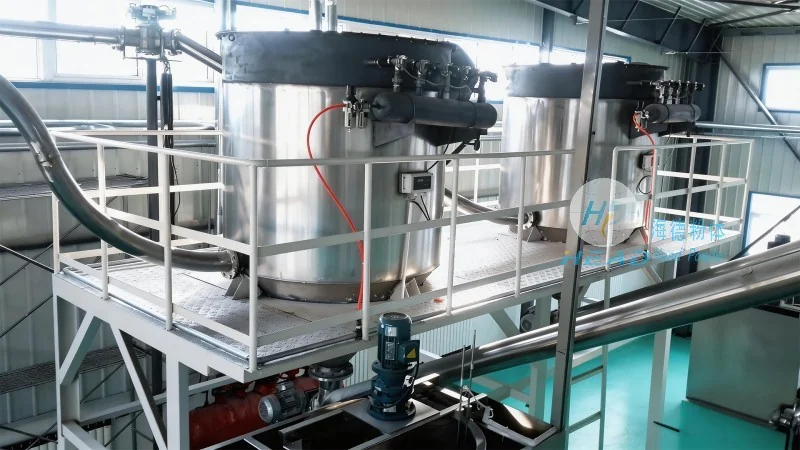
Pneumatic conveying systems offer several advantages over traditional methods, such as bucket elevators or belt conveyors, for transporting sodium hypochlorite. One of the primary benefits is the ability to handle the chemical in a closed system, which minimizes exposure to workers and reduces the risk of contamination. This closed-loop design also helps maintain the chemical's integrity, preventing degradation or mixing with other substances. Another advantage is the flexibility of the system, as it can be easily adapted to different plant layouts and operational requirements. Pneumatic conveying systems can transport sodium hypochlorite over long distances and through multiple points of use, making them suitable for large-scale industrial applications. Furthermore, the system's ability to handle both dry and liquid forms of sodium hypochlorite (in the form of a slurry or solution) provides versatility in application. The reduced labor costs and increased automation of pneumatic conveying systems also contribute to overall operational efficiency.
Case Study: Implementation by Shandong HeadPowder Engineering Co., Ltd.
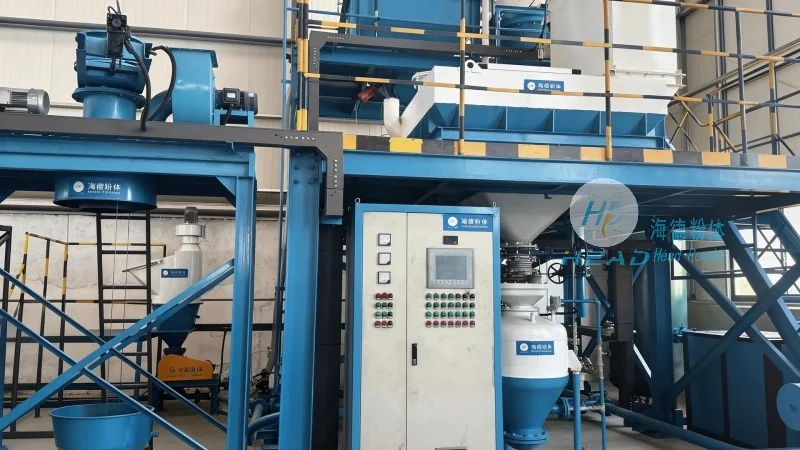
Shandong HeadPowder Engineering Co., Ltd., a leading provider of chemical processing equipment, has successfully implemented sodium hypochlorite pneumatic conveying systems for numerous clients. One notable project involved supplying a large water treatment facility with a custom-designed system capable of handling 10 tons of sodium hypochlorite per hour. The system was engineered to meet the client's specific requirements, including the need for a closed-loop operation and compliance with local environmental regulations. The system's components were selected based on the chemical's corrosive properties, with stainless steel used for the hopper and conveying line, and specialized seals to prevent leaks. The system's performance was monitored through real-time data collection, ensuring consistent flow rates and minimal downtime. The client reported significant improvements in operational efficiency and safety, with reduced exposure to the chemical and lower maintenance costs compared to traditional methods. This case study highlights the expertise and capabilities of Shandong HeadPowder in designing and implementing effective pneumatic conveying solutions for sodium hypochlorite applications.
Conclusion and Future Outlook
Sodium hypochlorite pneumatic conveying systems are a critical component in the efficient and safe handling of this essential chemical. The systems provide a reliable, closed-loop solution that minimizes risks and optimizes material flow. As industrial processes continue to evolve, the demand for advanced conveying systems will increase, driving innovation in materials, design, and automation. Shandong HeadPowder Engineering Co., Ltd. remains at the forefront of this technology, providing customized solutions that meet the unique needs of each client. By focusing on safety, efficiency, and durability, these systems will continue to play a vital role in various industries, ensuring the continued use of sodium hypochlorite as a key chemical in modern applications.