

Working Principle and Features of Foamed Plastic Pneumatic Conveying Systems
For industrial applications requiring efficient and reliable material handling, foamed plastic pneumatic conveying systems offer a versatile solution. This article explores the working principle and key features of such systems, highlighting their advantages and practical applications in material transport. The information is presented by Shandong HeadPowder Engineering Co., Ltd., a leading provider of specialized engineering solutions based in China.
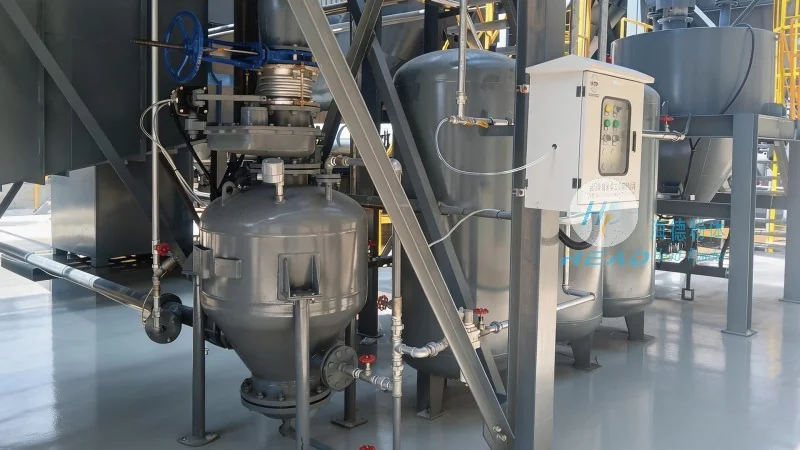
Introduction to Foamed Plastic Pneumatic Conveying Systems
Foamed plastic pneumatic conveying systems are designed to transport lightweight, low-density materials such as foamed plastics, powders, and granules through a pipeline using air or other gases. These systems are particularly effective for materials that are difficult to handle with traditional mechanical conveyors due to their light weight, tendency to clog, or sensitivity to moisture. The technology leverages the principles of pneumatic transport, where material is suspended and carried by the moving air stream within the pipeline.
The Working Principle of Foamed Plastic Pneumatic Conveying Systems
The core operation of a foamed plastic pneumatic conveying system involves several key components and processes. The system typically includes a material hopper, a blower or compressor to generate airflow, a pipeline network, and a discharge outlet. The process begins with the material being fed from the hopper into the pipeline. As the air is introduced, it creates a low-pressure zone that draws the material particles into the air stream. The material is then suspended and transported through the pipeline to the discharge point. The velocity of the air and the design of the pipeline determine the efficiency of material transport. The system may also incorporate features like airlocks, filters, and dust collectors to ensure proper material handling and environmental compliance.
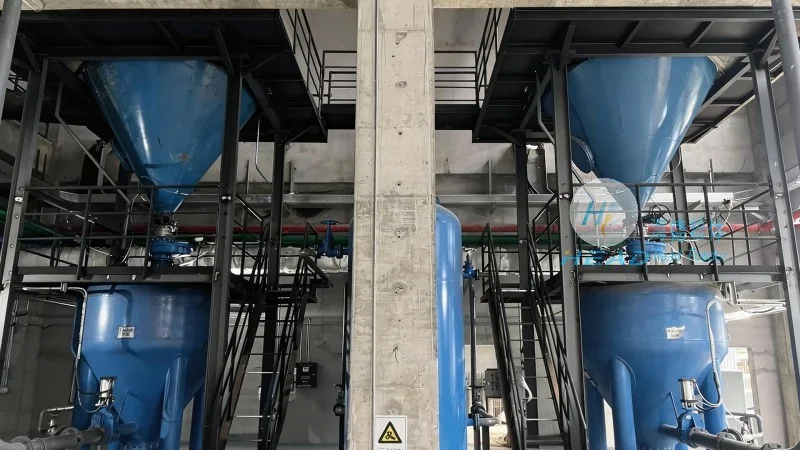
Key Features and Advantages of Foamed Plastic Pneumatic Conveying Systems
Several notable features distinguish foamed plastic pneumatic conveying systems from other material handling technologies. First, they are highly efficient for transporting low-density materials, as the air stream effectively suspends and moves the material without the need for mechanical components that might cause wear or blockage. Second, these systems are compact and can be easily integrated into existing industrial setups, reducing installation time and space requirements. Third, they offer flexibility in terms of pipeline layout, allowing for horizontal, vertical, or complex routing to accommodate various production layouts. Additionally, the systems are designed to minimize material degradation, as the air flow is controlled to prevent excessive friction or impact on the material particles. This is especially important for sensitive foamed plastics that could be damaged by traditional conveying methods. The systems also provide consistent material flow rates, ensuring stable production processes and reducing downtime. Furthermore, they are equipped with safety features such as pressure relief valves and automatic shut-off mechanisms to prevent accidents and maintain operational safety.
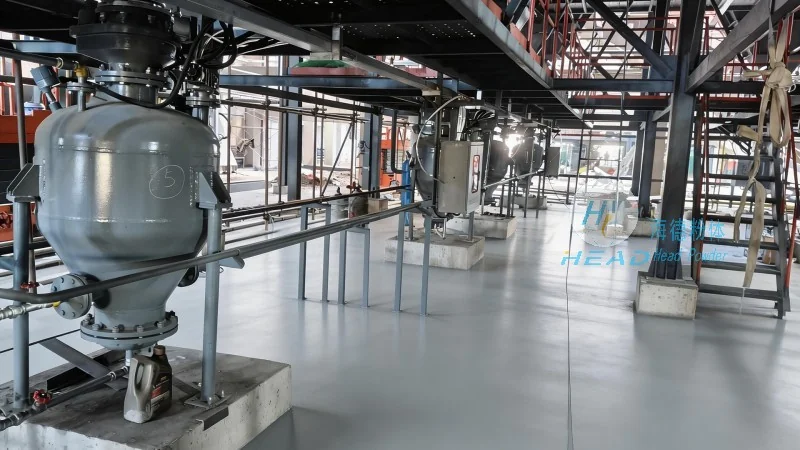
Applications and Practical Use Cases
Foamed plastic pneumatic conveying systems find applications in a wide range of industries, including manufacturing, packaging, and material processing. For example, in the automotive industry, these systems are used to transport foamed plastic components for interior and exterior parts, ensuring smooth and efficient assembly lines. In the packaging sector, they handle lightweight packaging materials, such as foamed cushioning or fillers, to protect products during shipping. The systems are also utilized in the food and pharmaceutical industries for handling low-density powders and granules, where hygiene and material integrity are critical. The ability to handle materials with minimal degradation makes them suitable for applications where product quality is paramount. Moreover, the systems are adaptable to different production scales, from small-scale operations to large industrial facilities, providing a scalable solution for material handling needs.
Conclusion and Company Overview
Foamed plastic pneumatic conveying systems represent an advanced solution for efficient material transport, combining the benefits of pneumatic technology with specialized design for low-density materials. The working principle, which relies on air suspension and controlled airflow, ensures reliable and consistent material handling. Key features such as compact design, flexibility, and minimal material degradation make these systems a preferred choice for industries dealing with foamed plastics and similar materials. Shandong HeadPowder Engineering Co., Ltd., with its headquarters in China, specializes in providing tailored engineering solutions for such systems, leveraging years of experience in material handling technology. The company's commitment to quality and innovation ensures that clients receive systems that meet their specific operational requirements and enhance overall productivity. By understanding the working principle and features of these systems, industries can make informed decisions to improve their material handling processes and achieve greater efficiency in production.