

Working Principle and Features of Kaolin Powder Pneumatic Conveying Systems
For industrial applications involving the handling of fine powders like kaolin, efficient and reliable material transport is crucial. Pneumatic conveying systems have emerged as a preferred solution, offering advantages such as reduced contamination, improved safety, and enhanced process control. This article explores the working principle and key features of a kaolin powder pneumatic conveying system, highlighting the technology's effectiveness and practical benefits.
Introduction to Kaolin Powder Pneumatic Conveying Systems
Kaolin, a naturally occurring clay mineral, is widely used in various industries including ceramics, paper, and cosmetics due to its unique properties like high whiteness and low impurity content. The transportation of kaolin powder from storage to processing units requires specialized equipment to maintain product integrity and operational efficiency. Pneumatic conveying systems provide an ideal solution by utilizing air or gas to transport the powder through a pipeline network, eliminating the need for mechanical components like belts or buckets that could introduce contamination or cause wear and tear.
Working Principle of Kaolin Powder Pneumatic Conveying Systems
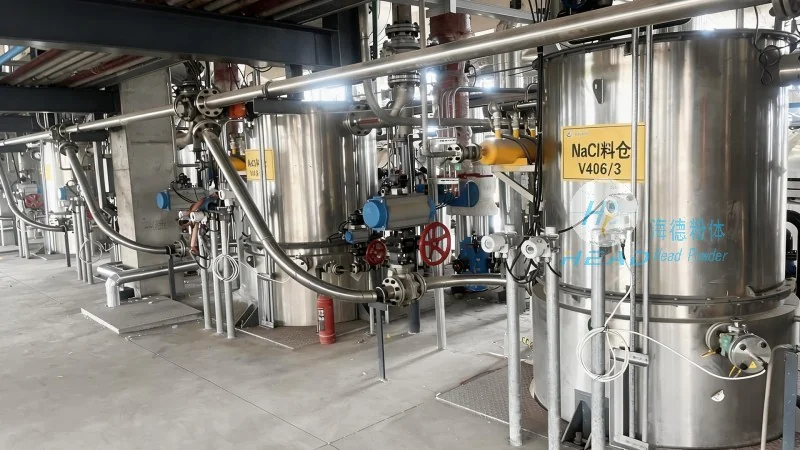
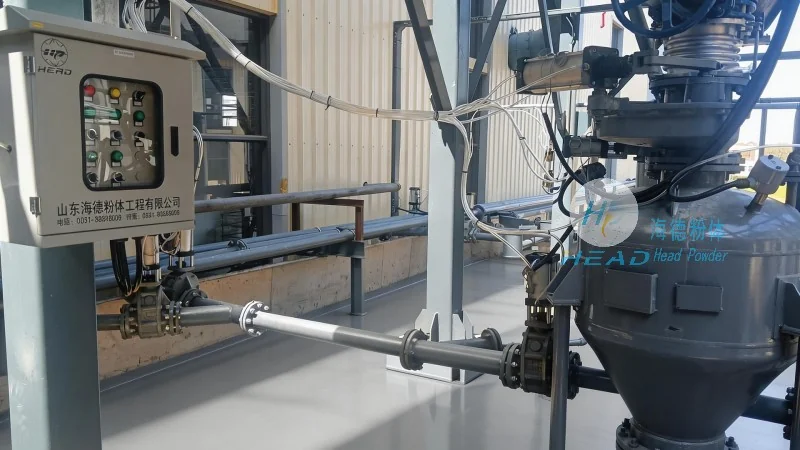
The core mechanism of a kaolin powder pneumatic conveying system involves the use of a blower or compressor to generate airflow within a closed pipeline system. The system typically consists of several components, including a hopper for material storage, a feeder to control the flow rate, a conveying line, and a receiver for the discharged material. The process begins when the kaolin powder is fed into the hopper. The feeder then releases the powder into the conveying line, where it is entrained by the high-velocity air stream generated by the blower. As the powder particles are carried along with the air, they are transported to the receiver, where the air is separated from the powder through a cyclone or other separation device. The separated air is then recirculated back to the blower, while the kaolin powder is collected in the receiver for further processing.
Key Features of Kaolin Powder Pneumatic Conveying Systems
Several distinct features make kaolin powder pneumatic conveying systems highly effective for industrial applications. Firstly, the system offers excellent product containment, preventing dust emissions and ensuring compliance with environmental regulations. This is achieved through the closed pipeline design, which minimizes exposure to the environment and reduces the risk of contamination from external sources. Secondly, the system provides high material transport efficiency, with the ability to move large quantities of kaolin powder over significant distances with minimal energy consumption. The use of air as the conveying medium allows for smooth and continuous flow, reducing the need for frequent maintenance and downtime compared to mechanical conveying methods.
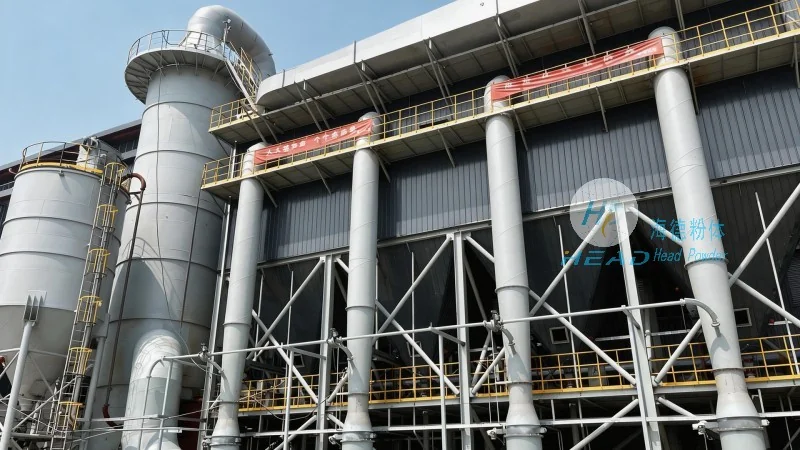
Another important feature is the flexibility of the system, which can be adapted to various process requirements. The conveying line can be configured in different configurations, such as dilute phase or dense phase, depending on the specific needs of the application. Dilute phase systems are suitable for short-distance transport of fine powders, while dense phase systems are ideal for longer distances or when handling more abrasive materials. Additionally, the system can be integrated with other equipment, such as mixers or classifiers, to create a comprehensive material handling solution tailored to the production process.
Benefits and Applications in Industrial Settings
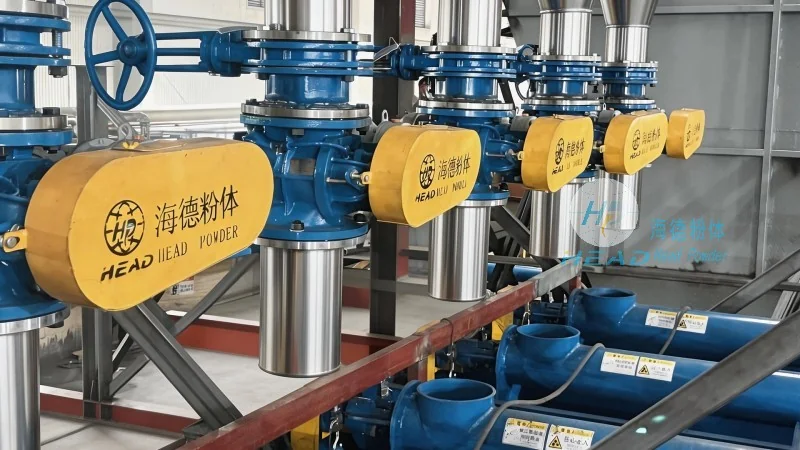
The implementation of a kaolin powder pneumatic conveying system brings numerous benefits to industrial operations. By reducing manual handling and mechanical wear, the system enhances operational safety and reduces labor costs. The closed system design also minimizes product degradation, preserving the quality of the kaolin powder for downstream processes. Furthermore, the system's ability to handle fine powders without clogging or blockages ensures consistent performance and reduces the risk of process interruptions. These advantages make the system particularly suitable for industries that require high-purity materials, such as the ceramics and paper industries, where kaolin is a critical raw material.
Conclusion
In conclusion, kaolin powder pneumatic conveying systems represent a sophisticated and efficient solution for the transportation of fine powders in industrial settings. The working principle, which relies on air entrainment and closed pipeline transport, ensures product integrity and operational reliability. The key features, including containment, efficiency, and flexibility, make the system adaptable to various applications and process requirements. As a result, companies like Shandong HeadPowder Engineering Co., Ltd. continue to develop and implement advanced pneumatic conveying systems to meet the evolving needs of industries that rely on kaolin as a key raw material. With its commitment to quality and innovation, the company provides tailored solutions that enhance productivity and ensure compliance with industry standards.