

Working Principle and Features of Sawdust and Wood Flakes Pneumatic Conveying Systems
For industries dealing with sawdust and wood flakes, efficient material handling is crucial for maintaining productivity and operational safety. The pneumatic conveying system, a key technology in this field, offers a reliable solution for transporting these lightweight, often dusty materials. This article explores the working principle and distinctive features of such systems, highlighting how they enhance material transport processes.
Working Principle of Sawdust and Wood Flakes Pneumatic Conveying Systems
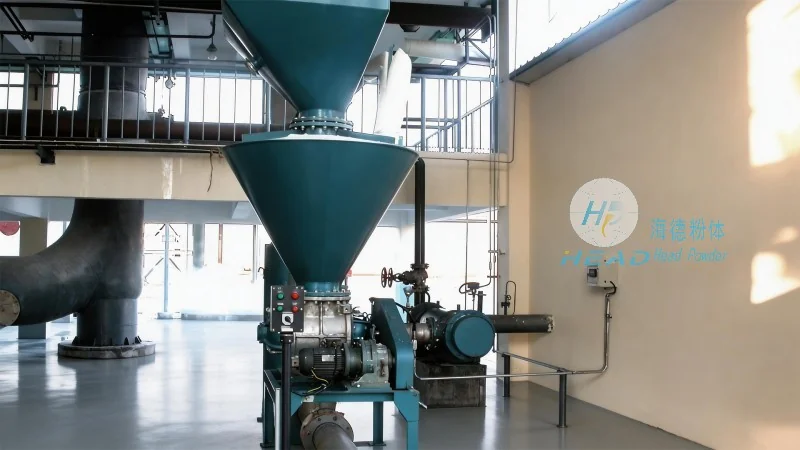
The core of a pneumatic conveying system lies in its ability to use air as the medium for transporting materials. In the case of sawdust and wood flakes, the system typically operates on either pressure or vacuum principles. Under pressure systems, a positive pressure is created within the pipeline, pushing the material forward as it mixes with the air. Conversely, vacuum systems draw the material into the pipeline using a negative pressure, pulling it from the source. The system comprises several key components: a material hopper for storage, a feeder to control the flow rate, a conveying line, and a receiver for the discharged material. The feeder is critical as it ensures a consistent feed rate, preventing blockages or uneven flow. The conveying line may include bends, expansions, or filters to manage the material's movement and maintain system efficiency. The receiver is designed to collect the material safely, often with dust collection features to comply with environmental regulations.
Key Features and Advantages of Sawdust and Wood Flakes Pneumatic Conveying Systems
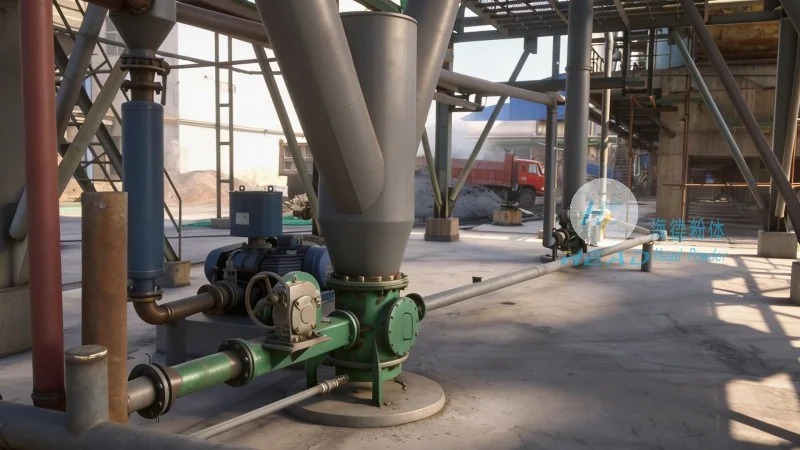
Several features make pneumatic conveying systems particularly suitable for handling sawdust and wood flakes. Firstly, they offer a closed system, which significantly reduces dust emissions and improves workplace safety. This is vital in environments where dust can be a health hazard or cause equipment damage. Secondly, the systems are highly flexible, allowing for changes in material flow direction or destination without major modifications. This adaptability is beneficial for facilities with evolving production layouts or multiple processing stages. Thirdly, pneumatic conveying systems are capable of handling a wide range of material sizes and moisture contents, making them versatile for various applications. The technology also provides a relatively low maintenance requirement compared to other bulk material handling methods, as there are fewer moving parts in the conveying line itself. Additionally, the system's ability to operate in a continuous or intermittent mode allows for integration with existing production schedules, ensuring smooth workflow. The efficiency of the system is further enhanced by its ability to transport materials over long distances with minimal energy loss, making it cost-effective for large-scale operations.
About Shandong HeadPowder Engineering Co., Ltd.
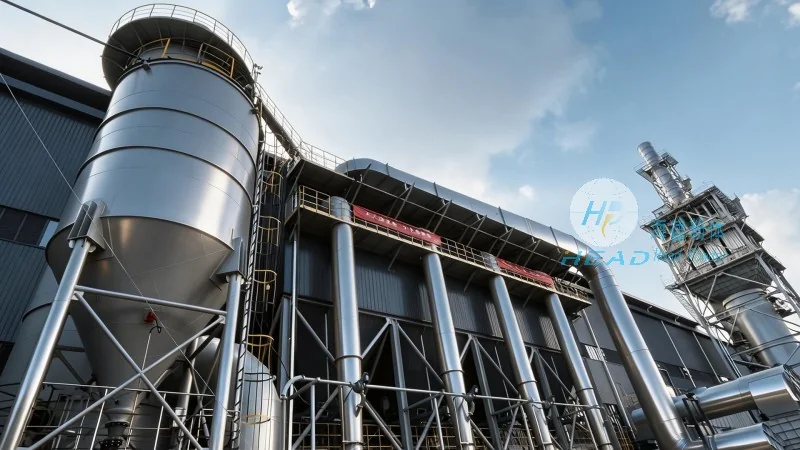
HeadPowder, a leading manufacturer in the field, specializes in designing and supplying pneumatic conveying systems tailored to the needs of industries processing sawdust and wood flakes. With a focus on innovation and quality, the company has established itself as a trusted partner for businesses seeking reliable material handling solutions. HeadPowder's systems are engineered to meet stringent industry standards, ensuring durability and performance. The company's headquarters is located in Shandong, China, where it leverages local expertise and resources to deliver cutting-edge technology. By combining advanced engineering with customer-centric approaches, HeadPowder continues to provide effective solutions that enhance operational efficiency and safety for its clients.