

Working Principle and Characteristics of Cement Raw Material Pneumatic Conveying Systems
For clients seeking efficient and reliable solutions for transporting cement raw materials, understanding the working principles and key characteristics of pneumatic conveying systems is essential. This article provides an in-depth look at the technology, focusing on the expertise of Shandong HeadPowder Engineering Co., Ltd., a leading provider in the field.
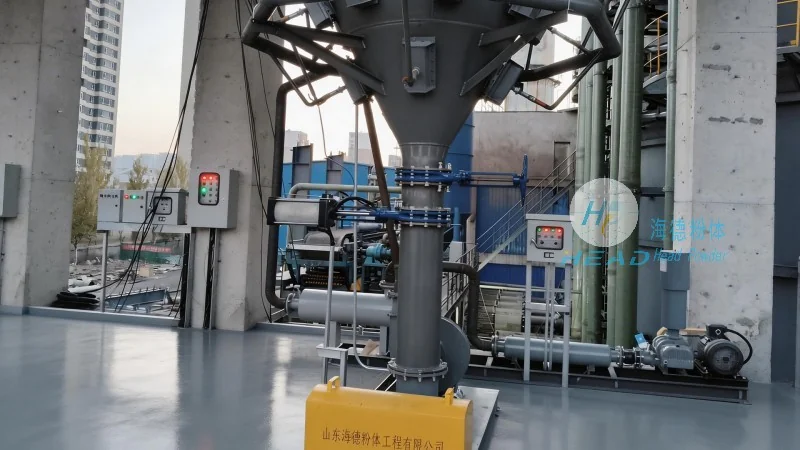
Introduction to Pneumatic Conveying Systems in Cement Production
Pneumatic conveying systems are integral to modern cement manufacturing, offering a flexible and effective method for moving bulk materials like raw meal, limestone, and other powders from one location to another within a plant. Unlike traditional mechanical conveying methods, such as belt conveyors or screw conveyors, pneumatic systems utilize air or gas to transport materials, making them particularly suitable for handling fine, dusty, or abrasive powders commonly found in cement production.
Working Principle of Cement Raw Material Pneumatic Conveying Systems
The core mechanism of a cement raw material pneumatic conveying system involves the use of a pressure or vacuum source to move material through a pipeline. The process typically begins with the material being fed into a hopper or feeder, where it is then introduced into the conveying line. As air is introduced, it creates a flow that carries the material particles along the pipeline. The system can operate under either positive pressure (where air is forced into the system) or negative pressure (where air is drawn out), depending on the specific application and layout of the plant.
Key components of a typical system include the feeder, which controls the flow rate of the material; the conveying line, which transports the material; and the receiver, where the material is deposited. The air flow is managed by a blower or fan, which provides the necessary pressure or vacuum to ensure efficient transport. In some cases, additional components like cyclones or filters may be used to separate the material from the air stream, ensuring that the material is delivered in a clean and controlled manner.
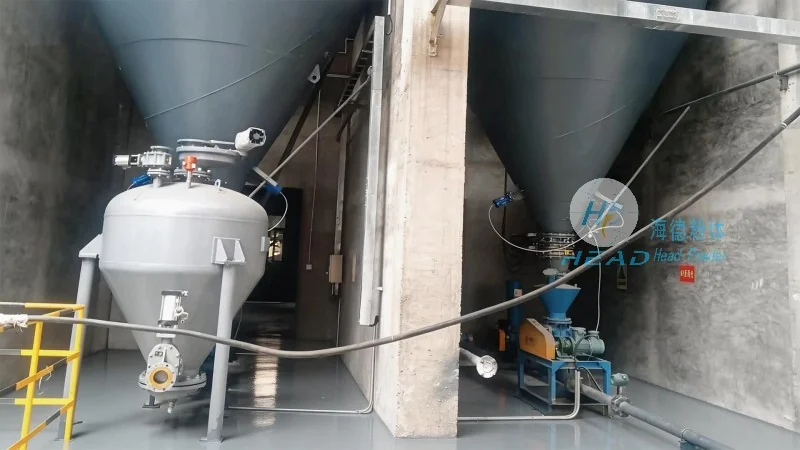
Key Characteristics of Cement Raw Material Pneumatic Conveying Systems
Several distinct characteristics make pneumatic conveying systems advantageous for cement raw material transport. First, they offer high flexibility in terms of layout, as the pipeline can be installed in various configurations to accommodate the plant's layout and operational needs. This allows for easy integration with existing equipment and processes.
Second, pneumatic systems provide excellent control over the material flow rate and pressure, enabling precise regulation of the conveying process. This is crucial for maintaining consistent product quality and preventing issues such as material buildup or blockages in the pipeline.
Third, these systems are highly efficient in terms of energy consumption compared to traditional mechanical methods, especially when handling fine powders. The use of air as the conveying medium reduces wear and tear on equipment, leading to lower maintenance costs and longer equipment lifespan.
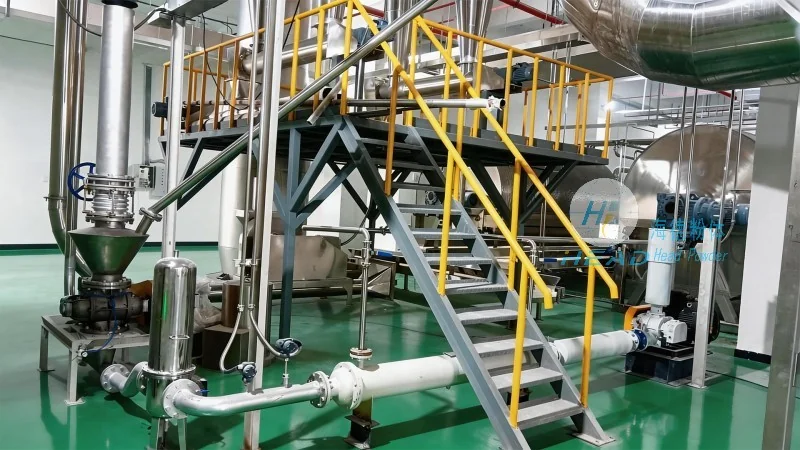
Fourth, pneumatic conveying systems are capable of handling a wide range of material types and particle sizes, making them versatile for different stages of cement production. Whether transporting raw meal from storage silos to the kiln or moving limestone from crushers to the mill, the system can be adapted to meet specific material requirements.
Expertise of Shandong HeadPowder Engineering Co., Ltd. in Pneumatic Conveying Solutions
Shandong HeadPowder Engineering Co., Ltd., operating under the brand name headpowder, specializes in designing, manufacturing, and installing customized pneumatic conveying systems tailored to the unique needs of cement manufacturers. With a deep understanding of the challenges faced in the cement industry, the company leverages advanced engineering and technology to deliver solutions that enhance efficiency, reduce costs, and improve overall plant performance.
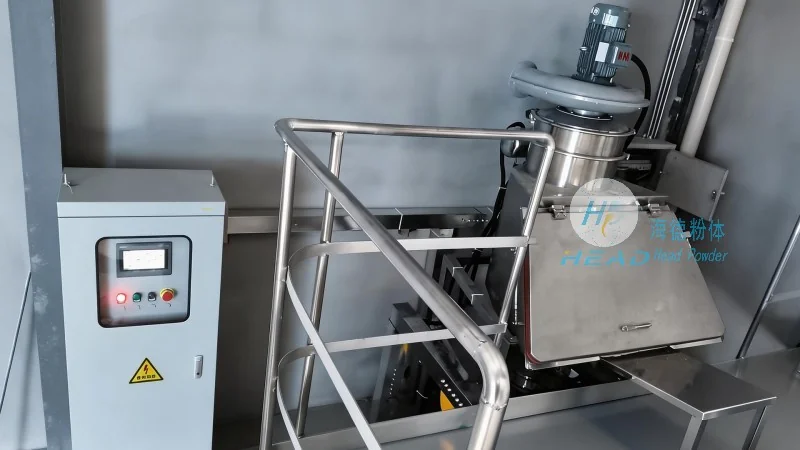
The company's team of experienced engineers and technicians works closely with clients to assess their specific requirements, from material characteristics and plant layout to operational goals and budget constraints. This collaborative approach ensures that the final system is optimized for maximum performance and reliability.
HeadPowder's commitment to quality is evident in its use of high-grade materials and rigorous testing protocols. Each system is designed to meet or exceed industry standards, ensuring durability and long-term operation. The company also provides comprehensive after-sales support, including maintenance services and technical assistance, to help clients maintain optimal performance and minimize downtime.
Conclusion: The Advantages of Choosing Pneumatic Conveying for Cement Raw Materials
In conclusion, pneumatic conveying systems offer a superior solution for transporting cement raw materials, combining efficiency, flexibility, and reliability. With the expertise of companies like Shandong HeadPowder Engineering Co., Ltd., cement manufacturers can benefit from advanced technology and tailored solutions that address their specific operational challenges. By investing in a well-designed pneumatic conveying system, plants can improve productivity, reduce costs, and enhance overall operational performance, ensuring long-term success in the competitive cement industry.