

Working Principle and Features of Large-Scale Pneumatic Conveying Equipment
Large-scale pneumatic conveying equipment is a critical component in modern industrial processes, designed to efficiently transport bulk materials over long distances through the use of air or gas. This technology has revolutionized material handling by offering a flexible, dust-free, and automated solution for various industries. The following article provides an in-depth look at the working principle and key features of such equipment, highlighting its applications and technical advantages.
Company Information
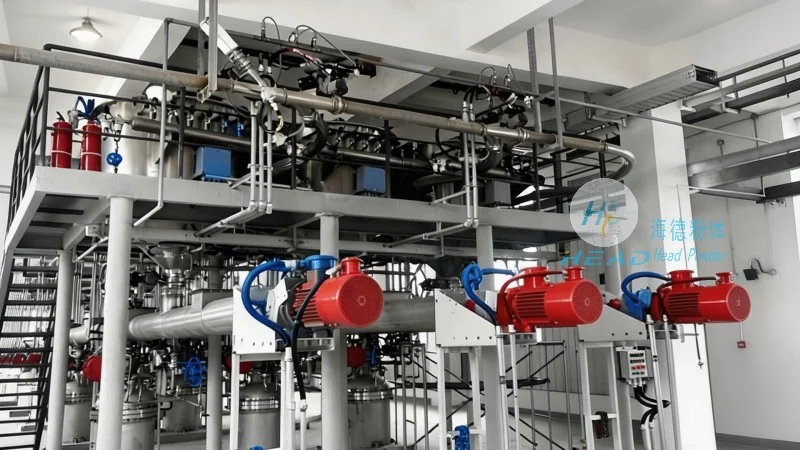
HeadPowder, a leading manufacturer in the field, is represented by Shandong HeadPowder Engineering Co., Ltd., headquartered in Shandong, China. The company specializes in the design, manufacturing, and supply of advanced pneumatic conveying systems tailored to meet diverse industrial needs. With a strong commitment to quality and innovation, HeadPowder has established itself as a trusted partner for businesses seeking reliable material handling solutions.
Working Principle of Large-Scale Pneumatic Conveying Equipment
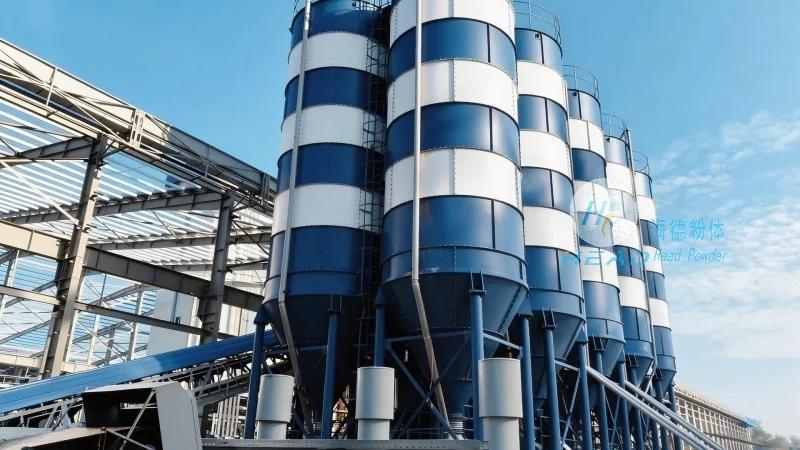
The core working principle of large-scale pneumatic conveying systems involves the use of a pressure or vacuum source to transport bulk materials through a pipeline. The process typically begins with the material being introduced into a hopper or feeder, where it is then fed into the conveying line. Air or gas is then introduced into the system, creating a flow that propels the material through the pipeline. There are two primary types of pneumatic conveying systems: pressure systems, which operate under positive pressure, and vacuum systems, which operate under negative pressure. Both systems utilize the principles of fluid dynamics to ensure efficient material transport, with the choice of system depending on the material characteristics, distance, and environmental requirements.
Key Features and Technical Advantages
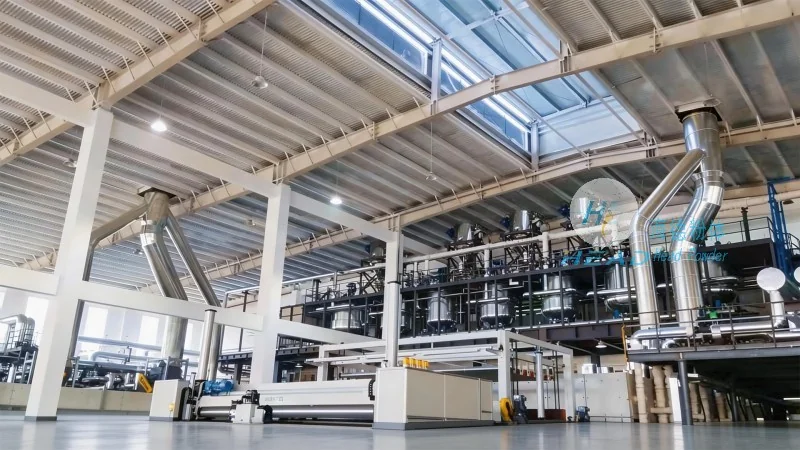
Large-scale pneumatic conveying equipment from HeadPowder is characterized by several key features that enhance performance and reliability. One of the most notable features is its ability to handle a wide range of materials, including powders, granules, and bulk solids, with minimal degradation or contamination. The equipment is designed for high efficiency, with low energy consumption and reduced maintenance requirements compared to traditional mechanical conveying methods. Additionally, the systems are equipped with advanced control systems that allow for precise regulation of flow rates, pressure, and material discharge, ensuring consistent and reliable operation. Another significant feature is the dust-free operation, which eliminates the need for additional dust control measures and improves workplace safety. The equipment also offers flexibility in terms of system configuration, allowing for customization to suit specific process requirements and space constraints.
Application and Performance Benefits
The application of large-scale pneumatic conveying equipment in various industries has resulted in significant performance benefits. In the food and pharmaceutical industries, the dust-free and hygienic operation of the equipment ensures compliance with stringent regulatory standards, while maintaining product quality and safety. In the chemical and petrochemical sectors, the ability to handle abrasive and corrosive materials without damage to the system components is a critical advantage. The equipment also offers cost savings through reduced labor costs, lower material handling time, and minimized product loss during transport. Furthermore, the long-distance transport capability of these systems reduces the need for multiple transfer points, streamlining the overall material handling process and improving operational efficiency.
Technical Specifications and Customization Options
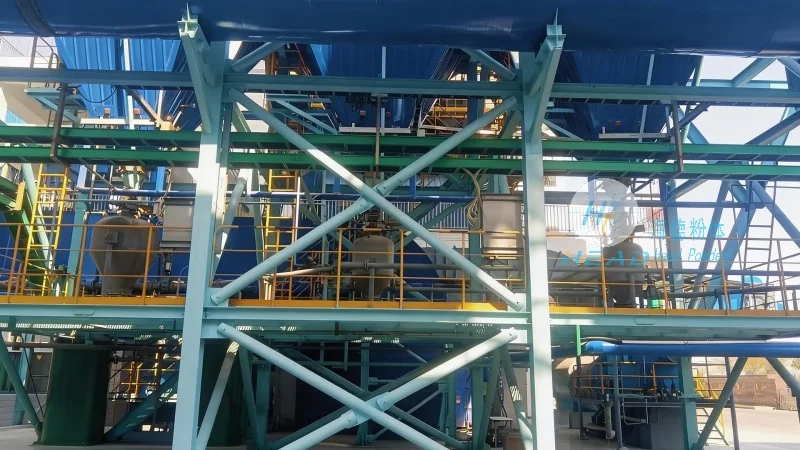
HeadPowder's large-scale pneumatic conveying equipment is available in various configurations to meet specific application requirements. The systems can be customized in terms of pipeline length, material capacity, and pressure levels, ensuring optimal performance for each project. The equipment is constructed using high-quality materials, such as stainless steel and corrosion-resistant alloys, to withstand the demands of harsh operating environments. Advanced monitoring and control systems are integrated into the design, providing real-time data on system performance and enabling proactive maintenance to prevent downtime. The company also offers comprehensive technical support and after-sales services, including installation, training, and maintenance, to ensure the long-term reliability and efficiency of the equipment.