

Working Principle and Features of Boron Powder Pneumatic Conveying Equipment
HeadPowder, a leading manufacturer based in Shandong, China, specializes in the design and production of advanced pneumatic conveying systems tailored for handling boron powder. This article delves into the fundamental working principles and key characteristics of such equipment, providing a comprehensive overview for industry professionals and potential clients.
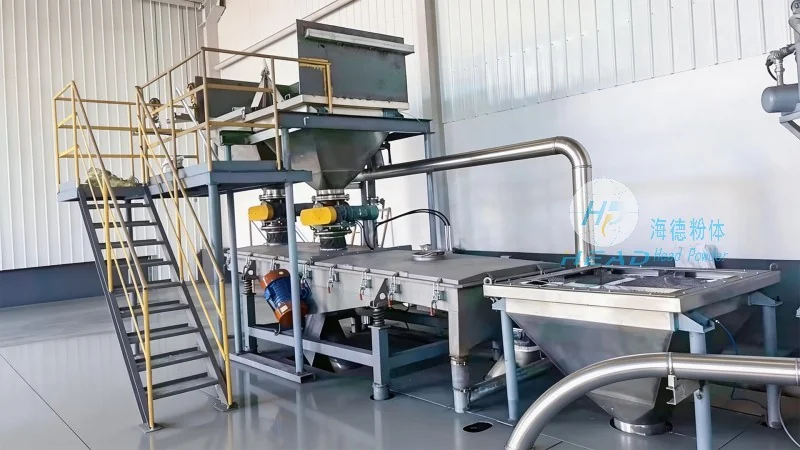
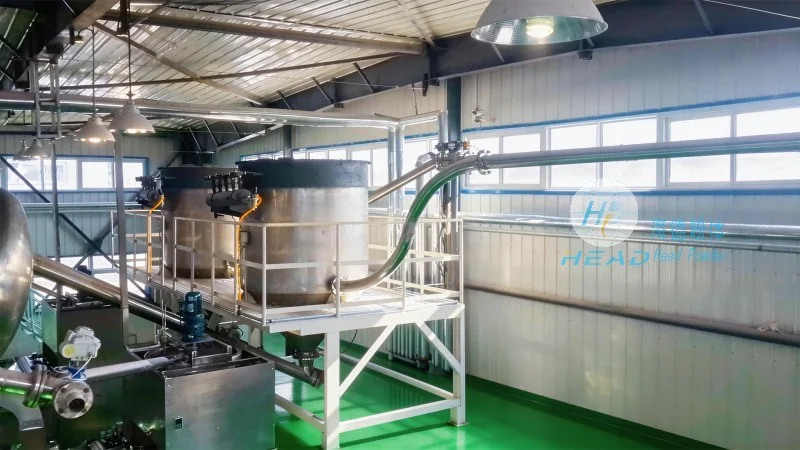
Working Principle of Boron Powder Pneumatic Conveying Equipment
The core mechanism of boron powder pneumatic conveying systems involves the use of compressed air or other gases to transport dry powder materials through a pipeline network. The process typically begins with the material being fed into a hopper or silo, where it is then drawn into the conveying line by the pressure differential created by the moving air. As the air flows through the pipeline, it entrains the powder particles, forming a dense or dilute phase flow depending on the system design. The equipment utilizes various components, including air blowers, cyclone separators, and filter bags, to ensure efficient material transport and separation. The working principle is based on the principle of fluidization, where the air flow creates a suspension of the powder particles, allowing them to be moved from the source to the destination without the need for mechanical components like belts or screws.
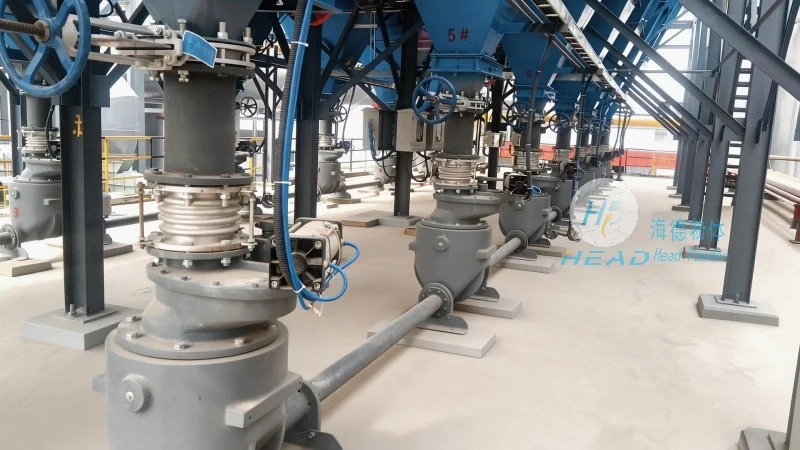
Key Features of Boron Powder Pneumatic Conveying Equipment
HeadPowder's boron powder pneumatic conveying equipment is engineered with several distinctive features that enhance performance and reliability. One of the primary advantages is the ability to handle fine and abrasive powders like boron without causing excessive wear on system components. The systems are designed with corrosion-resistant materials, such as stainless steel, to withstand the chemical properties of boron and other similar materials. Additionally, the equipment offers high efficiency in material transport, with minimal product degradation and loss. The modular design allows for easy integration into existing production lines and facilitates maintenance, as components can be replaced or serviced without extensive downtime. Another notable feature is the energy efficiency, as modern systems utilize variable frequency drives to optimize air consumption and reduce operational costs. The equipment also ensures environmental safety by incorporating dust collection systems and filter bags that capture fine particles, preventing air pollution and maintaining a clean working environment.
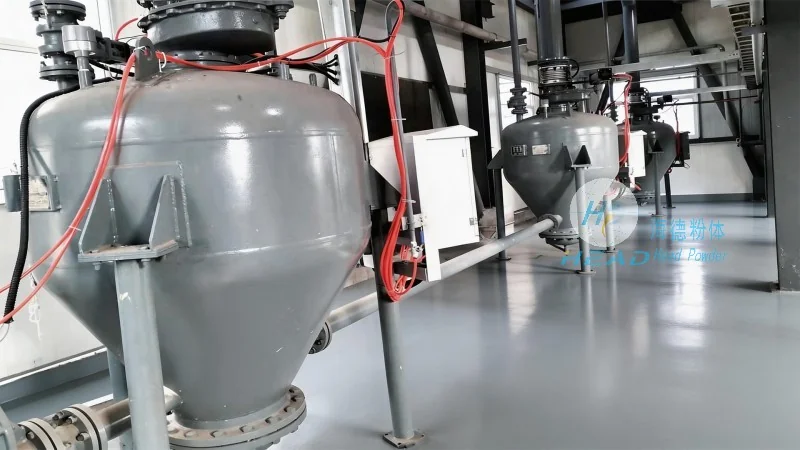
Application Considerations and Benefits
When selecting a boron powder pneumatic conveying system, several factors must be considered to ensure optimal performance. The system's capacity and pressure requirements are critical, as they directly impact the efficiency of material transport. The choice between dense phase and dilute phase conveying depends on the specific characteristics of the boron powder, such as particle size and moisture content. Dense phase systems are preferred for fine powders to minimize segregation and product degradation, while dilute phase systems are suitable for larger particles or when longer distances need to be covered. The equipment's durability and resistance to corrosion are essential, especially when handling abrasive or chemically reactive materials like boron. HeadPowder's systems are designed to meet these requirements, providing long-term reliability and low maintenance costs. The benefits of using pneumatic conveying for boron powder include reduced labor costs, as the system automates the material handling process, and improved safety, as there are no moving parts that could cause injury. Furthermore, the system's ability to handle materials in a closed environment minimizes dust exposure, enhancing workplace safety and compliance with environmental regulations.