

Working Principle and Features of Calcium Powder Pneumatic Conveying Equipment
Calcium powder, widely used in various industrial applications such as construction, food processing, and chemical manufacturing, requires efficient and reliable transportation methods to ensure consistent quality and minimize material loss. Pneumatic conveying equipment has emerged as a preferred solution for handling calcium powder due to its ability to transport materials in a closed system, reducing dust emissions and improving operational safety. This article explores the working principle and key features of calcium powder pneumatic conveying equipment, highlighting how it addresses the unique challenges associated with calcium powder handling.
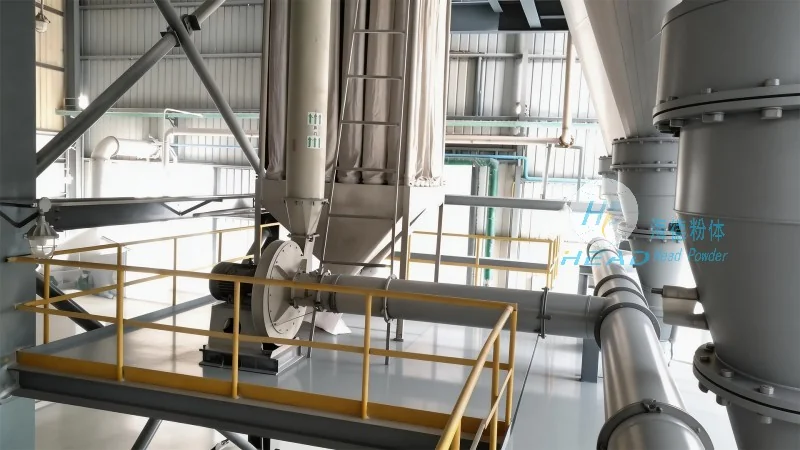
About Shandong HeadPowder Engineering Co., Ltd.
Headpowder, a leading manufacturer of pneumatic conveying systems, specializes in designing and supplying customized solutions for calcium powder and other fine powders. With a strong commitment to quality and innovation, Headpowder has established itself as a trusted partner in the industry. The company's headquarters is located in Shandong, China, where advanced manufacturing facilities and a team of experienced engineers ensure the production of high-performance pneumatic conveying equipment tailored to meet the specific needs of clients.
The Working Principle of Calcium Powder Pneumatic Conveying Equipment
Calcium powder pneumatic conveying equipment operates on the principle of using compressed air to transport powder materials through a pipeline system. The process typically involves several key components, including a hopper for material storage, a feeder to control the flow rate, a conveying line, and a receiver for the discharged material. The working principle can be broken down into the following steps:
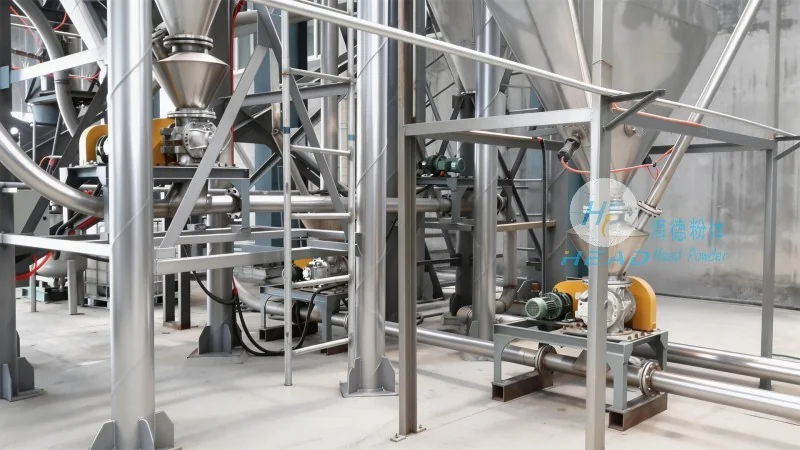
- Air Supply: Compressed air is supplied to the system, creating a pressure differential that drives the powder movement.
- Material Feeding: Calcium powder is fed from the hopper into the conveying line through a feeder, which regulates the flow rate to maintain consistent conveying efficiency.
- Pneumatic Conveying: The compressed air entrains the calcium powder particles, forming a dense phase or dilute phase flow depending on the system design. The air-powder mixture travels through the pipeline to the receiver.
- Material Discharge: At the receiver, the air and powder are separated. The air is typically filtered and recycled, while the calcium powder is collected for further processing or use.
Headpowder's pneumatic conveying systems are engineered to optimize the air-powder ratio, ensuring efficient transport with minimal energy consumption. The company's expertise in material properties and flow dynamics allows for the design of systems that can handle calcium powder with varying particle sizes and moisture content, maintaining product integrity throughout the conveying process.
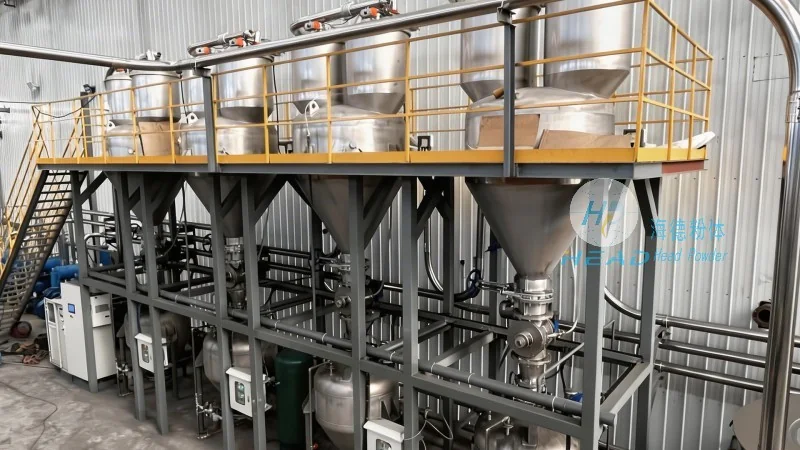
Key Features of Calcium Powder Pneumatic Conveying Equipment
Headpowder's calcium powder pneumatic conveying equipment is characterized by several key features that enhance performance, reliability, and user experience:
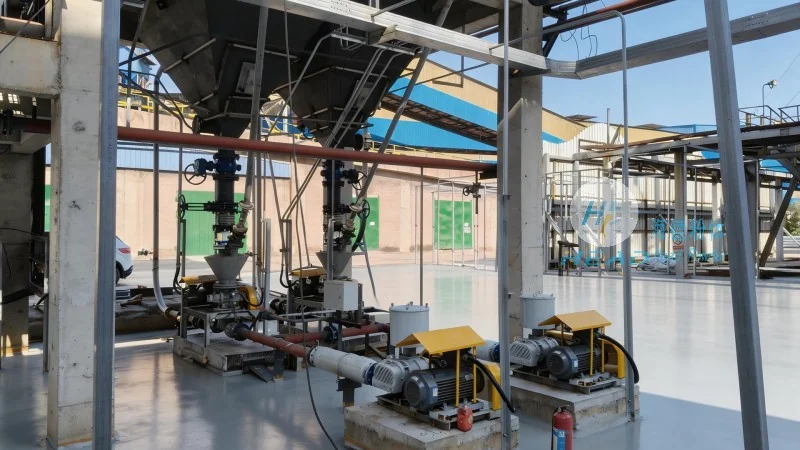
- Customizable System Design: Each system is tailored to the specific requirements of the client, including the type of calcium powder, conveying distance, and operating conditions. This ensures optimal performance and cost-effectiveness.
- Advanced Control Systems: Integrated control panels allow for precise regulation of air pressure, flow rate, and material feed, enabling operators to monitor and adjust the system in real-time for consistent operation.
- Dust Reduction and Environmental Compliance: The closed system design minimizes dust emissions, contributing to a cleaner working environment and compliance with environmental regulations. Headpowder's systems often include filtration and recycling mechanisms to further reduce environmental impact.
- High Efficiency and Low Maintenance: Optimized air-powder ratios and robust component design result in energy-efficient operation and reduced maintenance requirements, lowering long-term operational costs.
- Material Integrity Preservation: The gentle handling of calcium powder through the conveying process prevents agglomeration, degradation, or contamination, ensuring that the final product meets quality standards.
These features make Headpowder's pneumatic conveying equipment an ideal choice for industries handling calcium powder, as they address the unique challenges of fine powder transport while delivering reliable and efficient performance.
Conclusion
Calcium powder pneumatic conveying equipment, as exemplified by the solutions offered by Shandong HeadPowder Engineering Co., Ltd., represents a sophisticated and effective method for transporting calcium powder in industrial applications. By leveraging the principles of pneumatic conveying and incorporating advanced design features, these systems provide efficient, safe, and environmentally friendly material handling solutions. Headpowder's commitment to quality and customization ensures that clients receive equipment tailored to their specific needs, supporting their operational goals and maintaining product quality throughout the conveying process.